Music, Dance, and Legacy: Unmasking Cultural Festivals Globally
4 February 2026
Cultural festivals are like time machines—offering a glimpse into the past while celebrating the present. They bring people together to cherish traditions through music, dance, and rituals that have been passed down for generations. From the pulsating rhythms of Africa to the electrifying drumbeats of South America, these festivals are a tribute to humanity’s rich cultural diversity.
But have you ever wondered why they matter so much? What makes them more than just a party? Let’s dive into the heart of global cultural festivals and unmask their true significance. 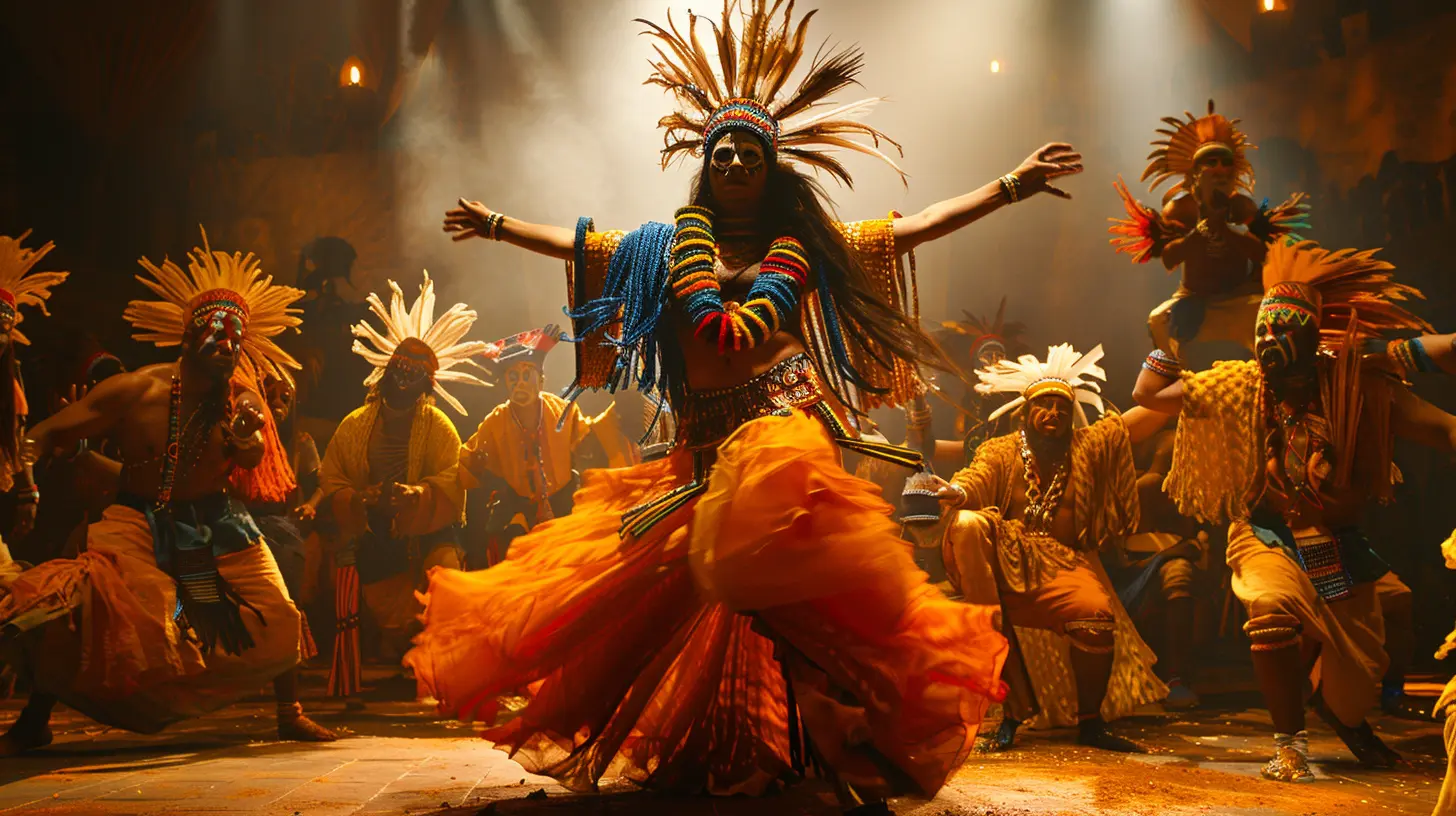
Why Cultural Festivals Matter
Festivals are more than just entertainment—they're an expression of identity. They preserve history, celebrate artistry, and strengthen social bonds. Imagine a world without them. No Carnival in Brazil, no Diwali in India, no Oktoberfest in Germany. Sounds dull, right?They shape the way we see the world, offering us an opportunity to step into someone else’s reality, even for just a few days. 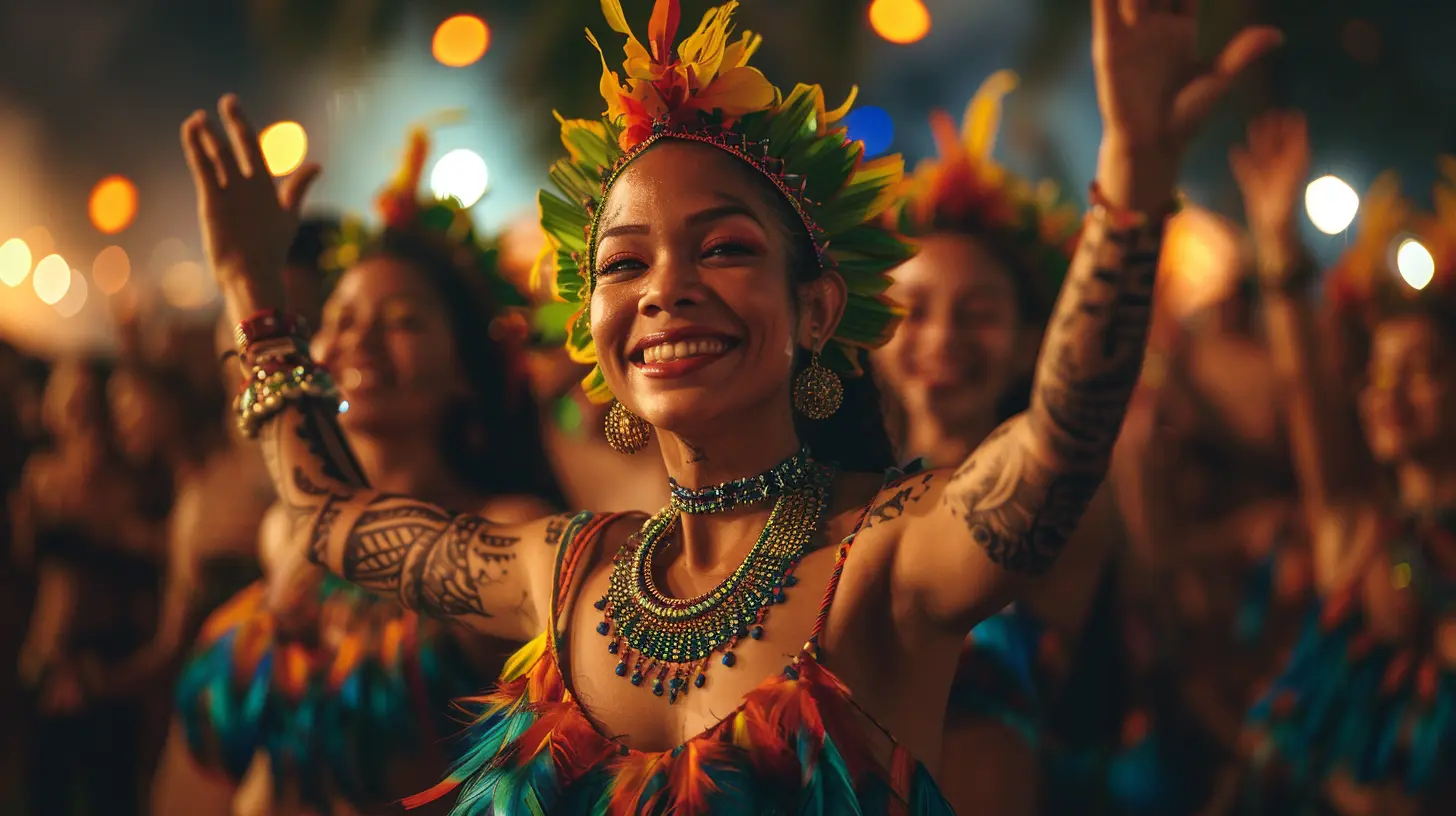
Music: The Universal Language of Festivals
No festival is complete without music. Whether it's the hypnotic beats of African drums or the soulful melodies of flamenco guitars in Spain, music forms the backbone of cultural festivals. But what makes it so powerful?1. African Drum Festivals: The Beat of Tradition
In Africa, drums aren’t just instruments—they're storytellers. Take the Lake of Stars Festival in Malawi, where traditional drumming meets contemporary sounds. The intoxicating beats carry messages of ancestors, struggles, and victories.Similarly, Ghana’s Homowo Festival blends drumming, chants, and dances to honor the past and pray for a prosperous future. The sound of the drum is more than just music; it’s a heartbeat that connects generations.
2. Flamenco and Feria de Abril: Spain’s Passion Set to Music
Head to Seville, Spain, in spring, and you'll be swept up in the magic of Feria de Abril, a festival where flamenco rules the streets. The rhythmic claps, stomping feet, and soulful singing create a hypnotic energy. It’s not just about entertainment—it’s a way of life.Flamenco’s deep, emotive sound, infused with Arabic, Jewish, and Gypsy influences, tells stories of love, loss, and resilience.
3. The Spirit of Samba: Brazil’s Carnival
Brazil’s Carnival is a music lover's paradise. Samba—a rhythmic, high-energy genre—takes center stage as massive parades flood the streets of Rio de Janeiro with colorful floats and elaborately dressed dancers.But Samba isn’t just dance music; it’s deeply rooted in Brazilian history, combining African beats with Portuguese influences. When the drumbeats echo through the streets, you don’t just hear them—you feel them. 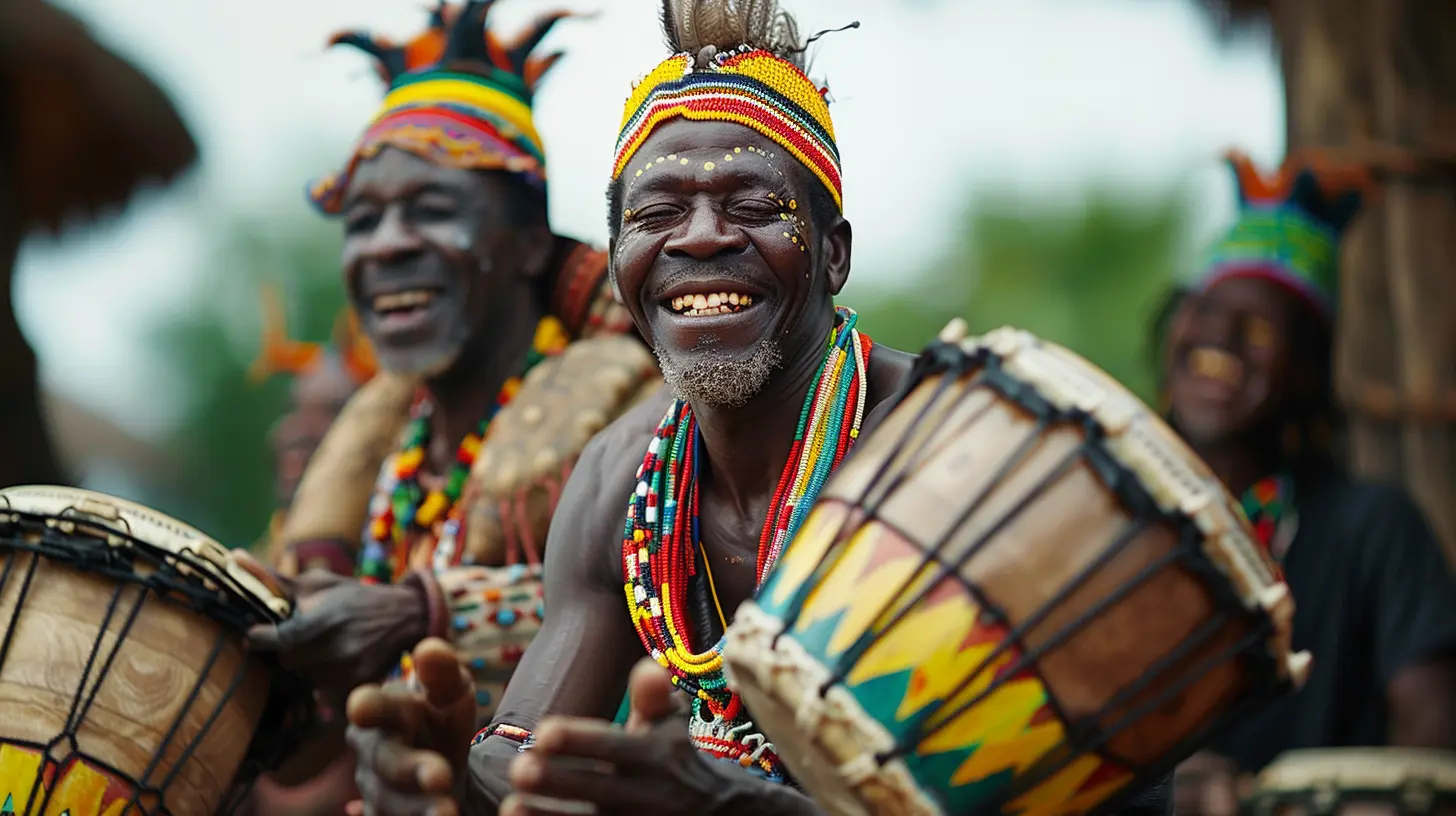
Dance: The Soul of Celebration
If music sets the mood, dance brings it to life. Across cultures, dance is a symbol of storytelling, devotion, and pure joy.1. India’s Navratri Garba: A Spirited Dance of Devotion
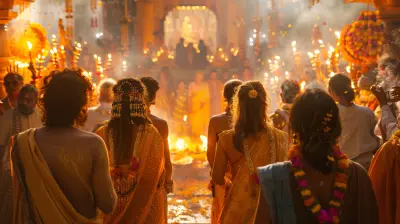
During Navratri, India pulses to the rhythm of Garba. Thousands gather in circles, moving gracefully to folk songs in honor of the goddess Durga. The dance isn’t just about fun—it’s a spiritual journey that symbolizes the victory of good over evil.The energy? Electrifying. The atmosphere? Pure euphoria. With every twirl and clap, Garba proves that dance is a powerful connector of people and faith.
2. Ireland’s St. Patrick’s Festival: The Jig That Unites a Nation
Think St. Patrick’s Festival is just about parades and beer? Think again. Traditional Irish dance, with its rapid footwork and mesmerizing formations, takes center stage.From solo step-dancing to group céilís, this ancient art form tells tales of Celtic warriors, folklore, and resilience. Watch a lively Riverdance performance, and you’ll understand why Irish dance has captivated audiences worldwide.
3. Japan’s Awa Odori: When the Streets Become a Dance Floor
Every August, Tokushima City explodes in movement as thousands take part in Awa Odori, Japan’s biggest dance festival. Dancers in vibrant kimonos move in synchronized patterns while chanting, "Odoru ahou ni miru ahou," meaning, "We're fools to dance, but even greater fools just to watch!"It’s a festival where everyone—locals and visitors alike—joins in, proving that dance is a power that unites. 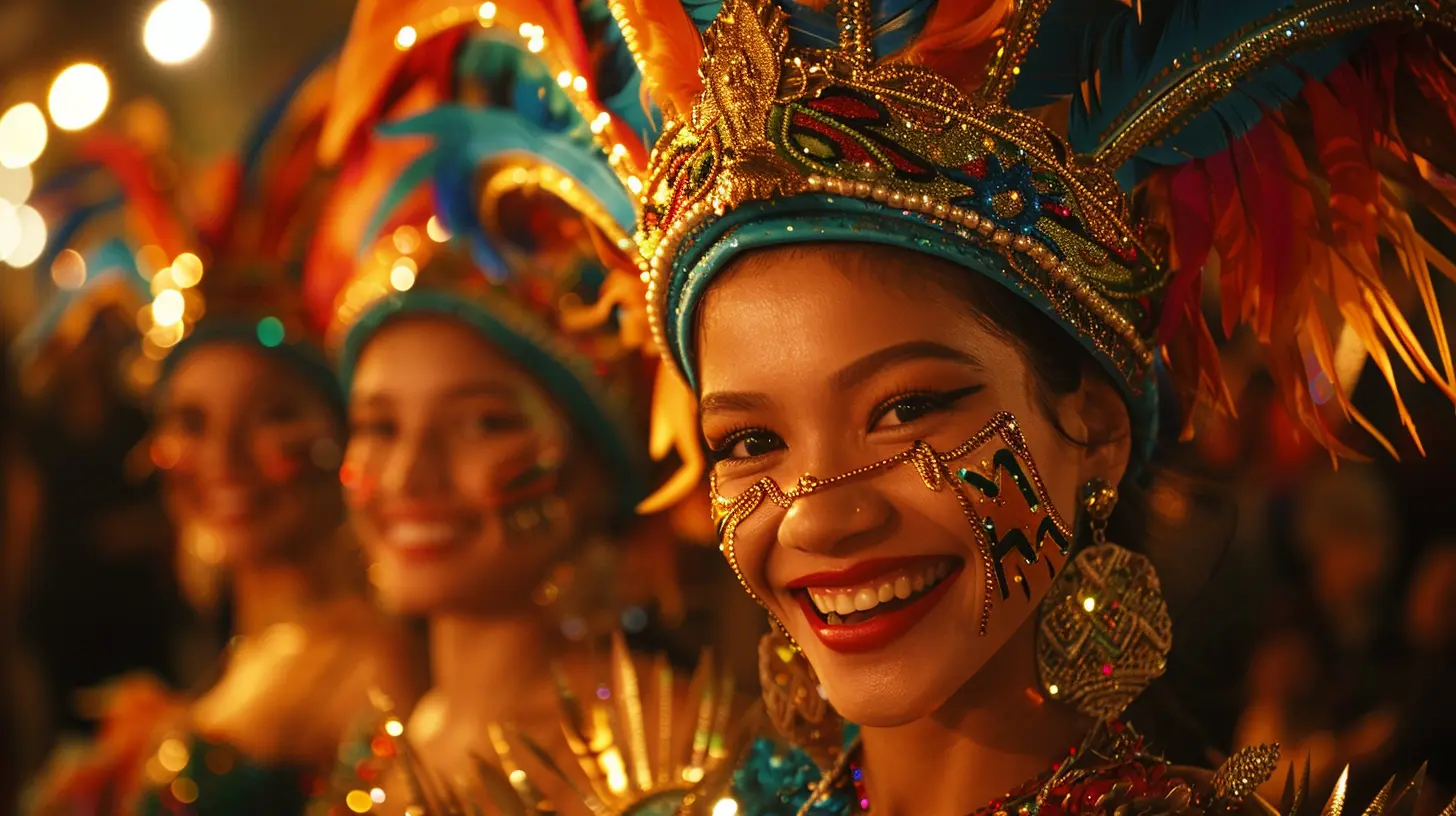
Legacy: Carrying Traditions Into the Future
Cultural festivals aren’t just relics of the past; they’re evolving celebrations ensuring that traditions remain alive for future generations.1. The Day of the Dead: Mexico’s Vibrant Tribute to Ancestors
Forget everything Hollywood told you. Mexico’s Día de los Muertos isn’t about ghosts—it’s about remembrance. Families create elaborate altars, cook favorite meals of the deceased, and celebrate with music and dance.The festival teaches younger generations to honor their roots, keeping the spirit of their ancestors alive.
2. Chinese New Year: A Celebration Spanning Generations
With dragon dances, firecrackers, and feasts, Chinese New Year is a festival deeply rooted in tradition. Each ritual, from giving red envelopes to lion dances, holds symbolic meaning—warding off evil spirits and welcoming good fortune.For millions worldwide, this festival isn’t just a holiday; it's a legacy that strengthens family bonds and cultural pride.
3. Scotland’s Highland Games: Strength, Music, and Heritage
Scotland’s Highland Games are a fascinating mix of athletic competitions, bagpipes, and kilts. More than just a spectacle, they’re a living reminder of Scottish identity.Through centuries-old events like the Caber Toss and Tug-of-War, the games honor Scottish ancestry while bringing communities together in a spirit of camaraderie.
The Future of Cultural Festivals
As globalization changes the world, cultural festivals adapt—blending tradition with modern influences. Music now fuses ancient melodies with electronic beats, and traditional dances evolve with contemporary twists.But while they may change, their essence remains the same: a celebration of identity, unity, and history.
So, the next time you find yourself at a festival—whether it’s Rio’s Carnival, India’s Diwali, or Japan’s Awa Odori—take a moment to soak it all in. Because these festivals aren’t just experiences; they are living, breathing legacies.
Final Thoughts
Cultural festivals are more than just grand spectacles. They are time capsules that preserve history, bridges that connect generations, and celebrations that remind us of what it means to be human.From the hypnotic beats of African drums to the swirling rhythms of Flamenco, and from the spiritual dances of India to the lively parades of Brazil, music and dance continue to weave the rich tapestry of our world.
So go ahead—immerse yourself, dance to the beat, lose yourself in a melody. Because culture isn't just something we inherit; it’s something we live.
all images in this post were generated using AI tools
Category:
Cultural FestivalsAuthor:
Winona Newman
Discussion
rate this article
2 comments
Nicole Kirk
This article beautifully highlights how cultural festivals serve as vital expressions of identity, fostering community connections and preserving rich legacies worldwide.
February 15, 2026 at 3:23 AM
Winona Newman
Thank you! I'm glad you enjoyed the article and appreciated the importance of cultural festivals in connecting communities and preserving our legacies.
Summer McTigue
I'm fascinated by how music and dance shape cultural identities! Which festival surprised you the most?
February 4, 2026 at 3:22 AM
Winona Newman
Thank you! The Rio Carnival surprised me the most with its vibrant fusion of music, dance, and local traditions, showcasing Brazil's diverse cultural identity.