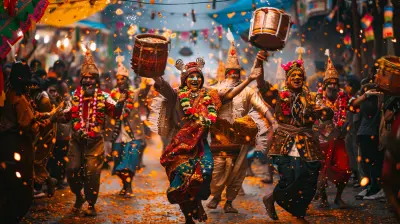
Journey into Spice Markets: Where History Meets Flavor
28 May 2026
Have you ever walked into a spice market and felt like you've stepped into another world? The air is thick with exotic aromas, the stalls are bursting with colors, and the hum of negotiations and chatter fills the space. Spice markets are more than just places to buy seasonings—they're a testament to the rich history of trade, culture, and culinary tradition.
But where did these markets come from? Why do they still matter today? And more importantly, why should you add them to your travel bucket list? Let’s dive into the fascinating world of spice markets and uncover the magic they hold.
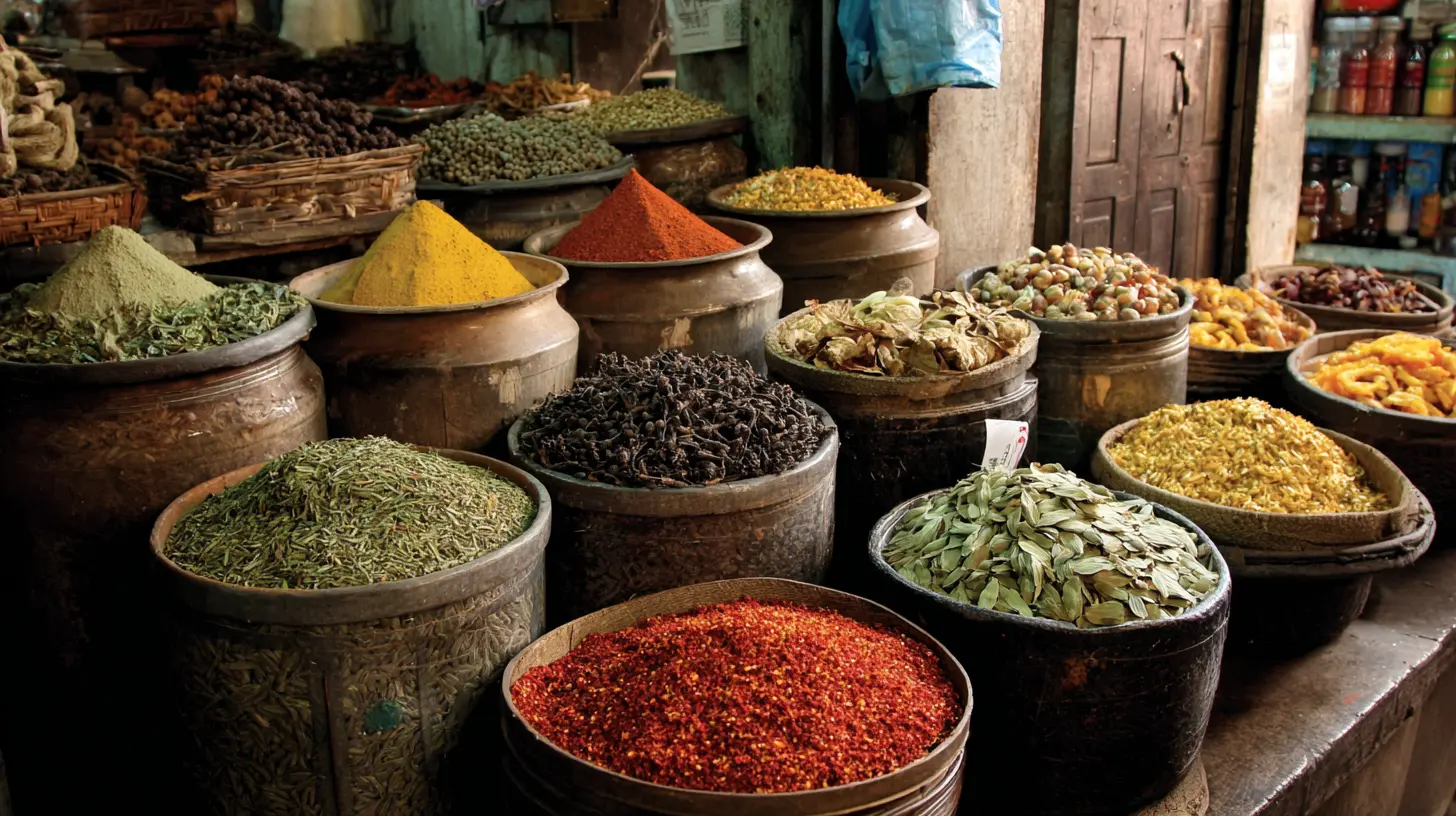
The Ancient Roots of Spice Markets
Spices have been treasured for thousands of years, dating back to ancient civilizations like Mesopotamia, Egypt, and China. Long before supermarkets and online shopping, traders and merchants journeyed great distances to exchange these precious goods.The legendary Silk Road and Spice Route were the highways of the ancient world, connecting the East to the West. Traders carried cinnamon from Sri Lanka, black pepper from India, saffron from Persia, and nutmeg from Indonesia. These markets were the beating heart of commerce, diplomacy, and culture.
Fast forward to today, and many of these historic marketplaces still thrive, offering a taste (literally!) of the past.
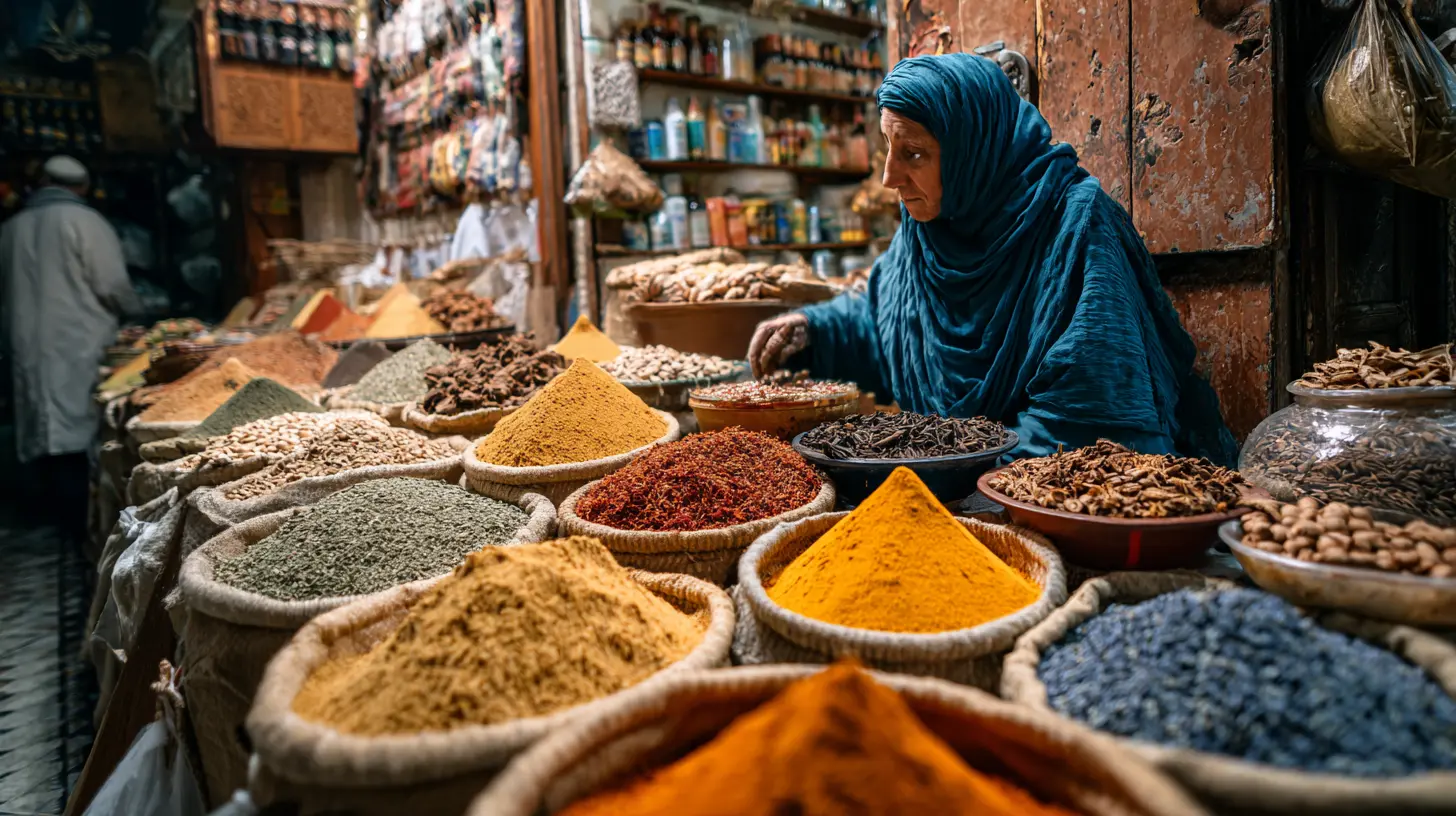
Why Spice Markets Are More Than Just Markets
Walking into a spice market isn’t just about shopping—it’s an experience. The scent of freshly ground spices lingers in the air, the explosion of colors is mesmerizing, and the sheer variety of ingredients is overwhelming.But spice markets are more than just a feast for the senses. They are living museums where history, tradition, and culinary artistry come together.
1. Flavors That Defined Empires
Did you know that wars were fought over spices? European explorers set sail across the world in search of valuable seasonings. Nutmeg alone was once worth more than gold! Today, standing in a market surrounded by these prized ingredients, you can feel the weight of history in every aroma.2. A Cultural Melting Pot
Spice markets bring people together. Locals, tourists, chefs, and food enthusiasts gather to buy, sell, and exchange stories. It’s where grandmothers pass down secret family spice blends and where strangers bond over their shared love for food.3. A Feast for the Senses
A spice market is like stepping into a painter's palette—vibrant reds of paprika, rich yellows of turmeric, earthy browns of cinnamon sticks, and deep greens of dried herbs. Each color tells a story.Then comes the sound—a symphony of bargaining voices, the rhythmic clinking of mortar and pestle, and the occasional laughter of a satisfied buyer scoring a great deal.
And let’s not forget taste. Some vendors might offer you a pinch of sumac or a tiny spoonful of their secret spice blends. One taste, and you’re transported to a world of flavor.
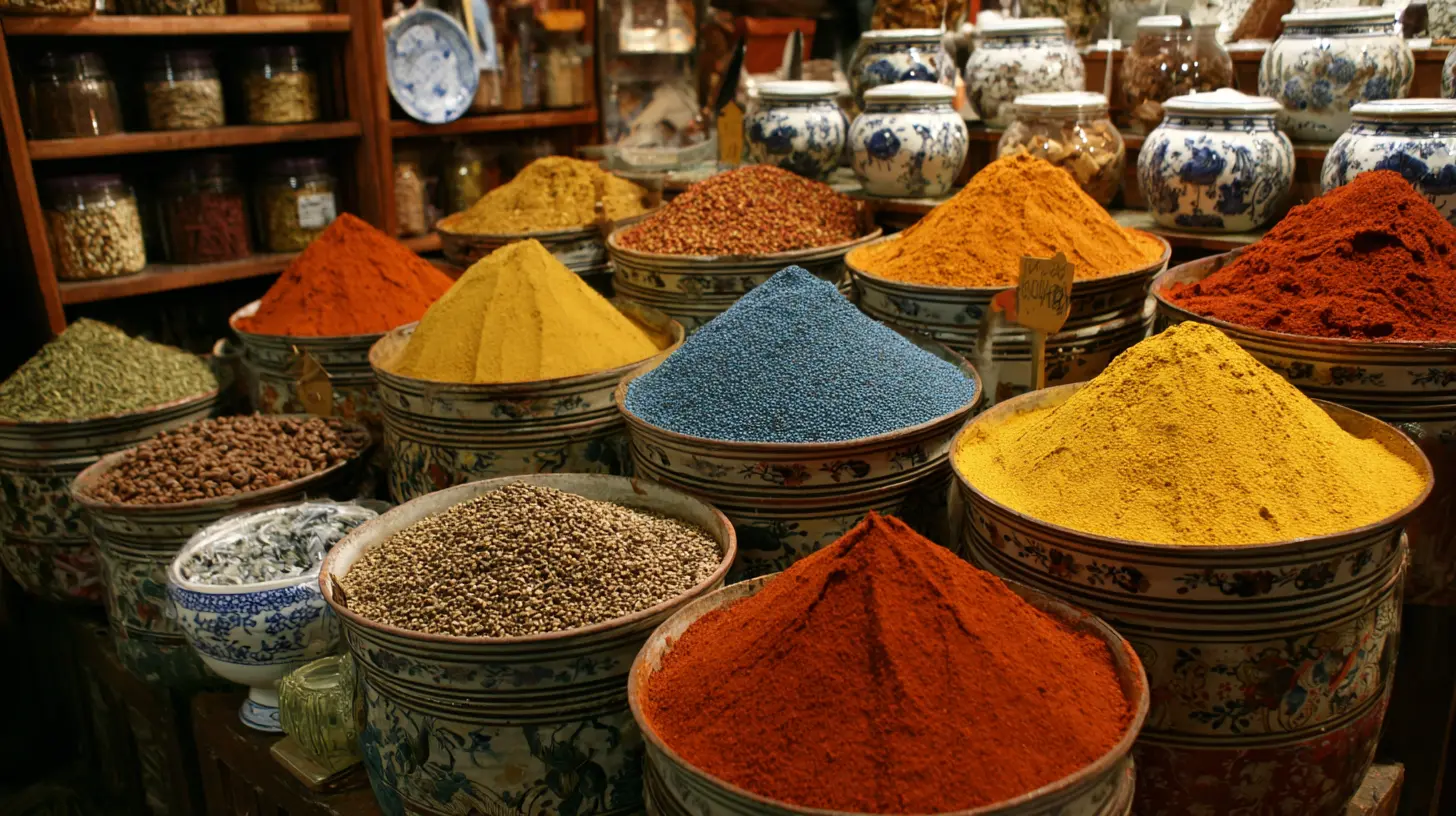
Iconic Spice Markets Around the World
Now that we know why spice markets are magical, let’s talk about where to find them! These legendary marketplaces have stood the test of time and continue to welcome curious travelers.1. Grand Bazaar, Istanbul, Turkey
One of the oldest and largest markets in the world, Istanbul’s Grand Bazaar is a labyrinth of spices, sweets, and history. Just a short walk away, the Egyptian Spice Bazaar (also known as the Misir Carsisi) is an explosion of colors and aromas. From Turkish saffron to dried hibiscus, there's no shortage of exotic finds here.2. Khari Baoli, Delhi, India
Delhi’s Khari Baoli is the largest spice market in Asia, and it’s been in business since the 17th century. The air is thick with the scent of chili, turmeric, and cardamom. This is the place to go if you want to experience India’s true spice legacy.3. Marrakech Souks, Morocco
Getting lost in the souks of Marrakech is part of the fun. In the heart of the medina, you'll find baskets overflowing with saffron, cumin, and ras el hanout—a famous Moroccan spice blend. The atmosphere is electric, and haggling here is an art.4. Tehran’s Grand Bazaar, Iran
Iranian cuisine is defined by its bold use of spices. In Tehran’s Grand Bazaar, you’ll find fragrant Persian saffron, dried limes, and sumac, essential for Persian stews and kebabs. The stall owners are more than happy to educate you on the perfect pairings for each spice.5. Pettah Market, Sri Lanka
Cinnamon lovers, this one’s for you! Sri Lanka is famous for its Ceylon cinnamon, and the best place to get it is Pettah Market in Colombo. The spice stalls here are packed with vibrant curry powders, dried chilies, and fresh vanilla pods.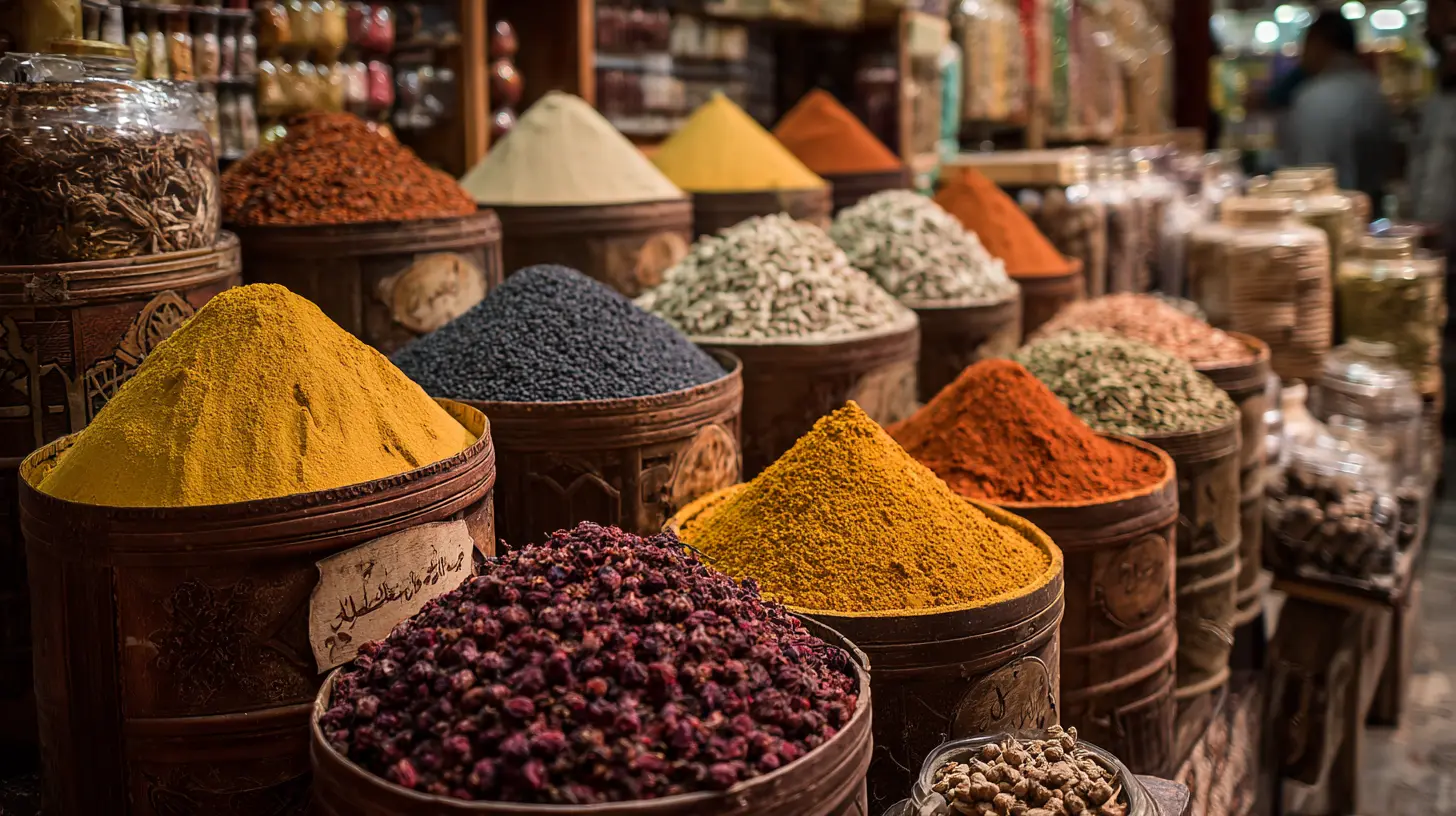
Tips for Navigating a Spice Market Like a Pro
If you’re planning to visit a spice market, a little preparation goes a long way. Here are some expert tips to make the most of your experience:1. Smell Before You Buy
Good quality spices have a strong aroma. If a vendor offers you a whiff of their cardamom or saffron, take it! Your nose knows best.2. Negotiate with Confidence
Haggling is part of the experience in many spice markets. Vendors expect it, and it’s all in good fun. Just stay polite and friendly—it’s a game, not a battle.3. Buy Whole Spices Over Ground
Whole spices stay fresh longer. Ground spices lose their potency faster, so buy whole and grind them yourself at home for the best flavor.4. Pack Smart
Bringing spices back home? Many countries have strict import rules. Sealed, labeled packets usually pass through customs easier than loose, unlabeled spices.5. Ask the Locals for Recommendations
Every market has hidden gems that only locals know about. Don’t be shy—ask for recommendations on the best stalls or unique spice blends.Bringing the Spice Market Home
Can’t make it to a spice market anytime soon? No worries! You can still bring a taste of these amazing places into your kitchen.- Experiment with spice blends: Try recreating famous spice mixes like garam masala (India), baharat (Middle East), or berbere (Ethiopia).
- Store spices properly: Keep them in airtight containers away from heat and sunlight to preserve their flavors.
- Cook with intention: Use spices not just for taste, but to create an experience. Let each dish tell a story of its origin.
Final Thoughts
A spice market is more than a shopping destination—it’s a journey through time, culture, and flavor. Whether you’re strolling through a centuries-old bazaar in the Middle East or simply adding a pinch of saffron to your rice at home, spices have the power to connect worlds.So, the next time you find yourself in a spice market, take a deep breath, immerse yourself in the experience, and let the flavors of history guide you.
all images in this post were generated using AI tools
Category:
Cultural ExperiencesAuthor:

Winona Newman
Discussion
rate this article
1 comments
Cruz McGeehan
I love how spice markets blend rich history with vibrant flavors. Can't wait to explore their hidden stories and tastes!
June 11, 2026 at 3:57 PM
Winona Newman
Thanks for your enthusiasm! Spice markets truly are a treasure trove of flavors and history waiting to be discovered. Enjoy your exploration!