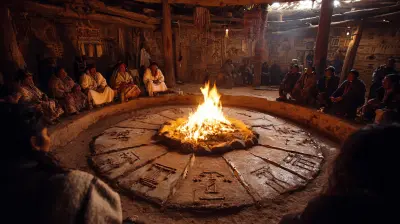
How Medical Volunteers Make a Global Impact
10 March 2026
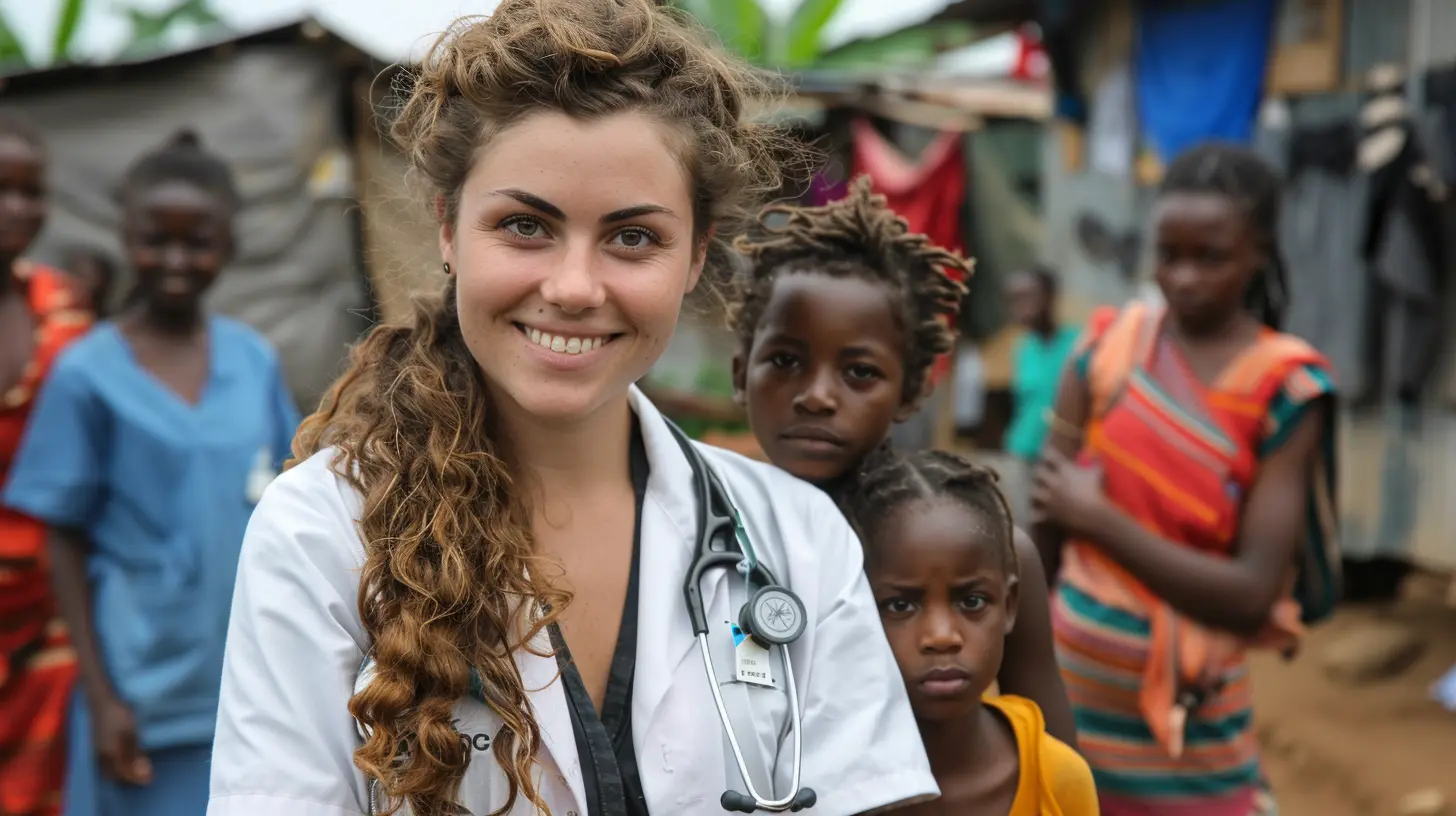
When we think of healthcare, we often picture hospitals, doctors, and advanced medical technology. But what about those in remote villages, disaster-stricken areas, or war zones with little to no access to medical care? This is where medical volunteers step in—selflessly dedicating their time, skills, and energy to help those in need.
Medical volunteers are often the unsung heroes of global health, traveling across borders to offer their expertise and compassion. Their work not only saves lives but also strengthens healthcare systems in vulnerable regions. But how exactly do they make such a difference on a global scale? Let’s dive in.
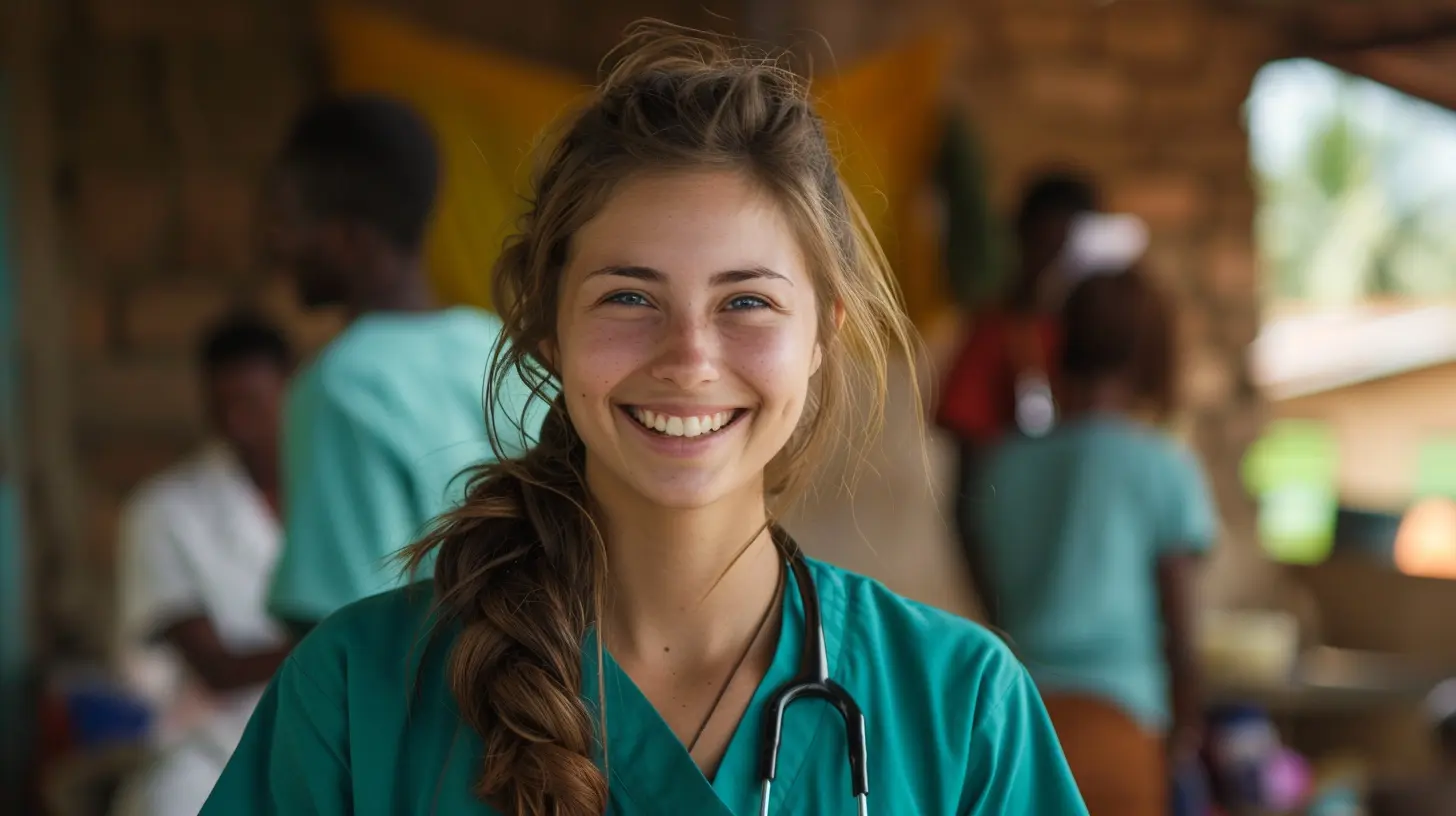
The Role of Medical Volunteers
Medical volunteers come from all backgrounds—doctors, nurses, paramedics, medical students, and even non-medical personnel. Their primary goal? To provide care where it’s needed most. But their impact goes far beyond just treating patients.1. Providing Essential Healthcare
In many parts of the world, simple medical care is a luxury. Some communities lack basic healthcare facilities, and people suffer from treatable illnesses simply because they have no access to medication or doctors. Volunteers step in to provide essential medical services, from treating infections and delivering babies to performing life-saving surgeries.Imagine a small rural village where the nearest hospital is miles away. A child with pneumonia might not survive the trip. A medical volunteer on-site can treat the illness immediately, potentially saving a life.
2. Responding to Emergencies and Disasters
Whether it's an earthquake, a hurricane, or a war zone, medical volunteers are often the first to arrive and the last to leave. They provide immediate relief—setting up temporary clinics, treating injuries, and ensuring that survivors receive necessary care.Take the 2010 Haiti earthquake, for example. Thousands of medical volunteers from around the world rushed to provide aid, performing surgeries, treating infections, and setting up emergency medical camps. Without their efforts, the death toll could have been much higher.
3. Enhancing Local Healthcare Systems
Beyond direct patient care, medical volunteers also play a crucial role in strengthening local healthcare systems. They train doctors and nurses, share medical knowledge, and introduce new techniques to improve treatment quality.Many organizations send medical professionals to underserved areas not just to provide short-term relief but to ensure that local healthcare workers have the skills and resources to continue their work long after the volunteers have left.
4. Offering Preventive Care and Health Education
Medical volunteering isn’t just about treating illnesses—it’s also about prevention. Volunteers educate communities on hygiene, nutrition, maternal health, and disease prevention. By teaching people how to take care of their health, they reduce the risk of future health crises.For example, in many developing countries, simple handwashing can prevent deadly diseases. Medical volunteers teach communities about sanitation and distribute hygiene kits, making a lasting impact on public health.
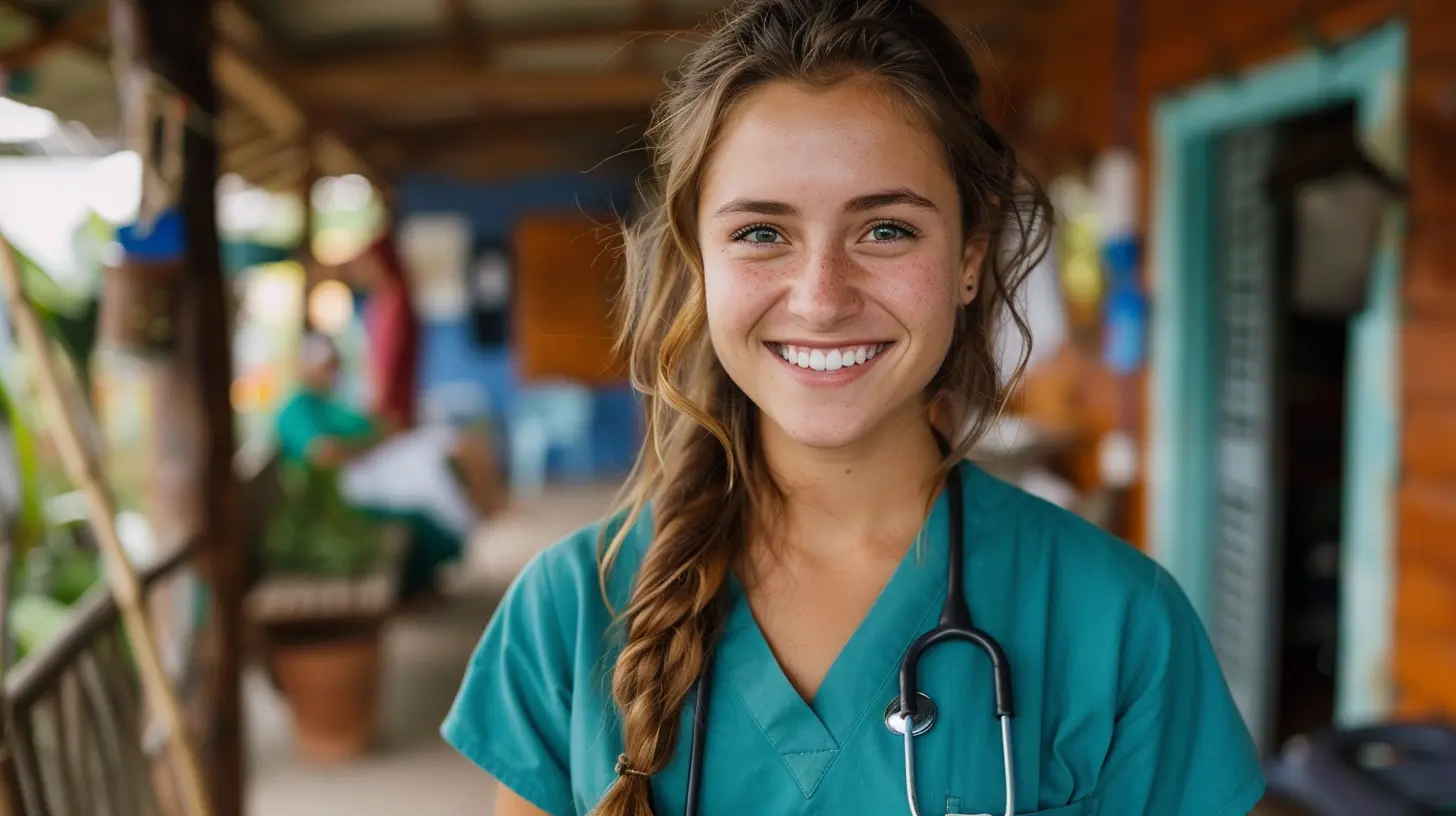
Where Medical Volunteers Are Needed Most
Medical volunteers serve in various places around the world, but some regions need them more than others.1. Remote and Rural Areas
Millions of people living in rural and remote areas lack healthcare access. In some African and South American villages, a doctor might visit only once a month—if at all. Volunteers bridge this gap, ensuring that these communities receive proper medical attention.2. Conflict Zones and War-Affected Regions
Wars and conflicts leave healthcare systems in shambles. Hospitals are destroyed, medical supplies run out, and doctors are often forced to flee. Volunteers risk their lives to provide care in these dangerous environments, treating injuries, delivering babies, and offering trauma support.Organizations like Doctors Without Borders send medical teams to war-torn areas to provide urgent care. Their work in Syria, Yemen, and Afghanistan has saved countless lives.
3. Disaster-Stricken Areas
Earthquakes, hurricanes, and tsunamis can wipe out entire hospital networks, leaving thousands injured and without care. Medical volunteers step in to operate emergency clinics, treat wounds, and distribute medicine.Take the 2004 Indian Ocean tsunami—medical teams from around the world flew in to provide life-saving treatment and assist local hospitals overwhelmed by the crisis.
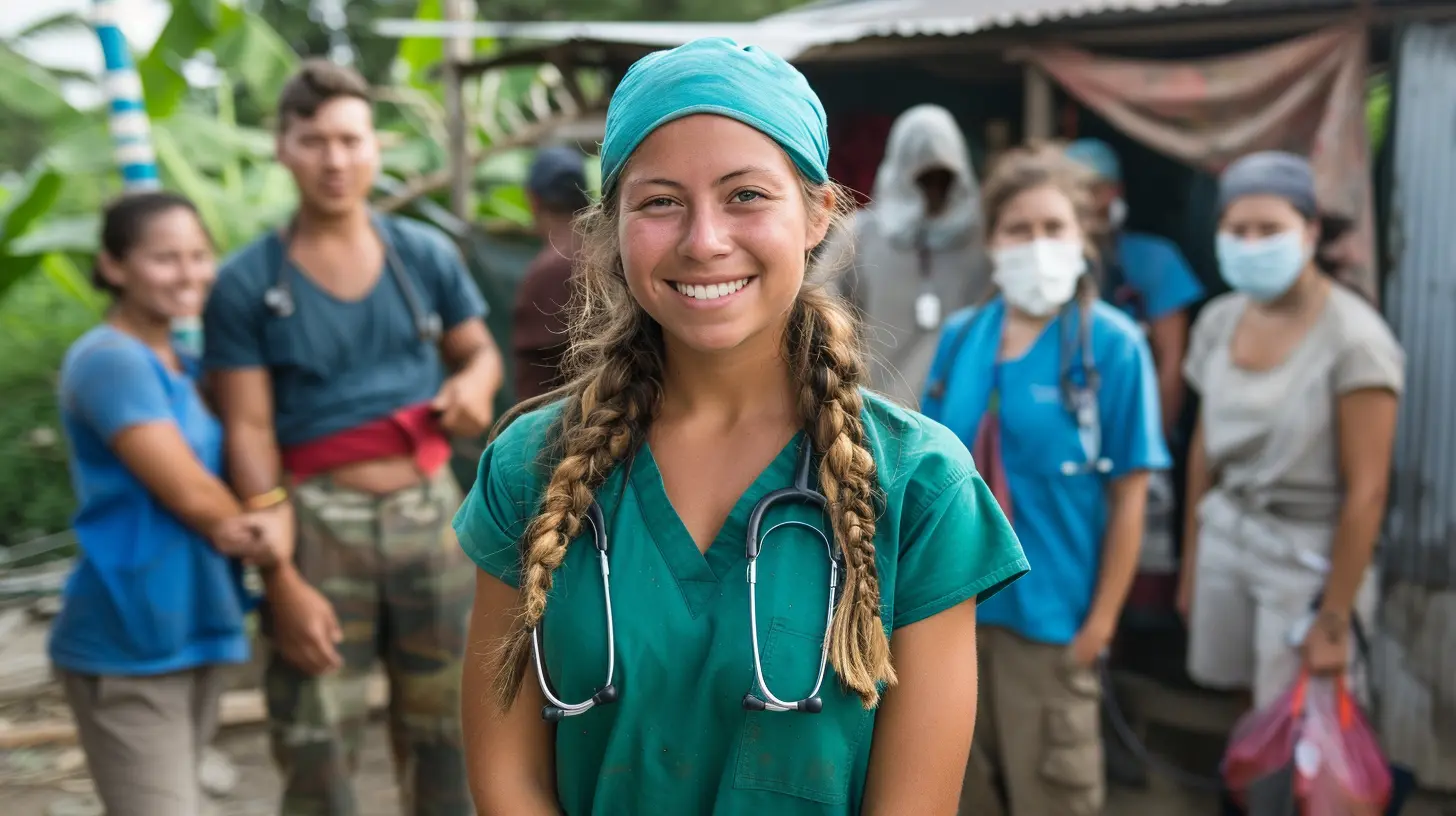
The Challenges Medical Volunteers Face
While medical volunteering is incredibly rewarding, it’s not without challenges.1. Limited Resources
In many underserved areas, hospitals lack basic supplies—things as simple as gloves, syringes, and antibiotics. Medical volunteers often have to work with limited resources, improvising with what’s available to provide the best care possible.2. Language and Cultural Barriers
Providing care in a foreign country means navigating language and cultural differences. Not knowing the local language can make communication difficult, and unfamiliar customs can pose challenges in patient care.However, many medical volunteers take the time to learn basic phrases and work alongside local translators to bridge these gaps.
3. Emotional and Physical Strain
Witnessing suffering firsthand can take a toll on volunteers. They encounter malnourished children, war victims, and families who have lost everything. Emotionally, it’s draining; physically, it’s exhausting.Many volunteers work long hours without breaks, pushing through fatigue because they know their skills can mean the difference between life and death.
How You Can Get Involved
If you’re passionate about making a difference, medical volunteering could be a life-changing experience. Here’s how you can get started:1. Join a Reputable Organization
There are many organizations dedicated to medical volunteering. Some of the most well-known include:- Doctors Without Borders (MSF) – Provides emergency medical care in crisis regions.
- Red Cross and Red Crescent – Offers disaster relief and healthcare services.
- Project HOPE – Focuses on global health education and emergency response.
- Health Volunteers Overseas (HVO) – Trains healthcare professionals in developing countries.
2. Choose a Program That Matches Your Skills
Some programs require medical degrees, while others accept medical students, paramedics, and even non-medical volunteers to assist with logistics or administrative work. Find something that aligns with your expertise and interests.3. Prepare for the Challenges
Medical volunteering isn’t a vacation—it’s hard work. You’ll need resilience, adaptability, and a willingness to work in tough conditions. Research your destination, understand the risks, and mentally prepare for the experience.4. Fund Your Trip or Seek Sponsorship
Many volunteer programs require you to pay for travel expenses, but scholarships, fundraising, and sponsorships can help offset costs. Some organizations even cover the expenses for qualified medical professionals.The Lasting Impact of Medical Volunteers
Medical volunteers don’t just provide healthcare—they bring hope. They remind people that the world hasn’t forgotten them, that their lives matter. A single volunteer can change lives, inspire communities, and leave a lasting legacy of compassion and healing.Whether they’re treating malaria in Africa, delivering babies in refugee camps, or performing emergency surgeries in disaster zones, medical volunteers play an irreplaceable role in global health. Their selflessness proves that even the smallest acts of kindness can make an enormous difference.
So, the next time you hear about a medical volunteer, remember—they’re not just doctors, nurses, or students. They’re life-savers, change-makers, and global heroes.
all images in this post were generated using AI tools
Category:
Volunteer TravelAuthor:
Winona Newman
Discussion
rate this article
2 comments
Michelle McIntyre
This article highlights the vital role medical volunteers play in underserved communities. Their dedication not only improves healthcare access but also fosters cultural exchange, creating lasting global connections and inspiring others to contribute.
April 4, 2026 at 2:50 AM
Winona Newman
Thank you for your insightful comment! I’m glad you appreciated the focus on the essential contributions of medical volunteers and their impact on both healthcare and cultural exchange.
Zaren McLean
Medical volunteers are true heroes! Their selfless dedication not only heals but also inspires, bridging communities and creating lasting positive change worldwide.
March 10, 2026 at 4:55 AM