From Masks to Murals: The Visual Arts of Festivals
25 December 2025
When was the last time you stood in awe at a swirling burst of color during a street parade? Or paused, mesmerized, by the intricate face of a mask during a cultural festival? Festivals are more than just parties or parades—they’re visual feasts. From hand-painted masks to sky-high murals, the visual arts of festivals are where culture, creativity, and community collide in the most magical way.
In this article, we’re diving into the eye-popping world of festival art. You’ll see how people around the globe use visual storytelling—through masks, murals, floats, body paint, costumes, stage designs, and more—to bring their heritage and imagination to life. So, let’s take a walk (and maybe dance a little) through festival alley and see what all the fuss is about!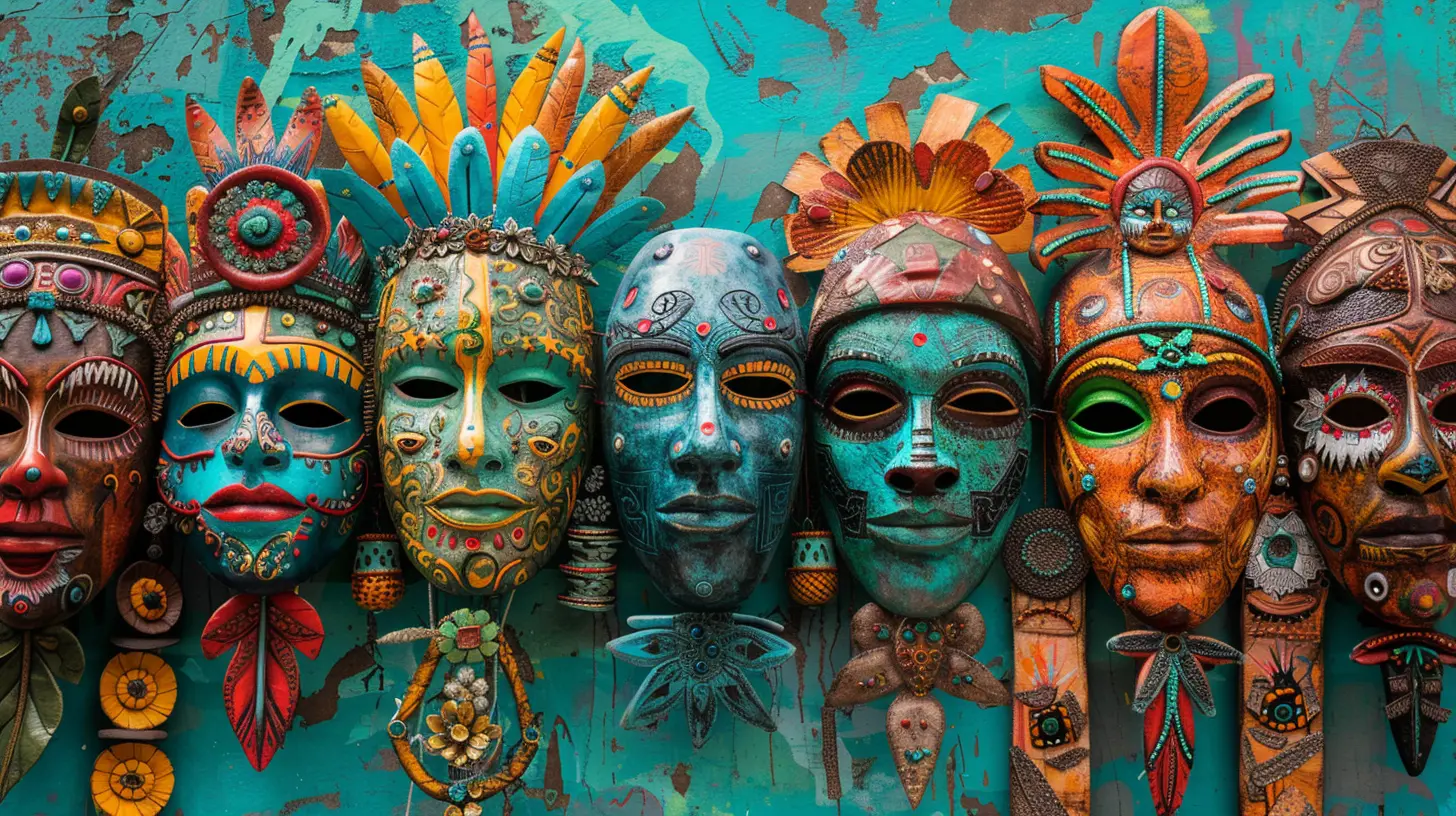
Why Visual Art is the Beating Heart of Any Festival
Imagine a festival without color. No banners, no costumes, no decorations—yikes! It would feel pretty lifeless, right?Visual art is essential to the festival experience. It sets the mood, tells the story, and offers a powerful form of identity and expression. Whether it’s a centuries-old tradition or a new-age street fest, what you see is what draws you in. It’s the first impression—and often, the one that sticks.
But it’s not just eye-candy. The visual elements of a festival often carry deep cultural, historical, and spiritual meaning. They connect people to their roots, convey messages, and even act as symbols of resistance or celebration.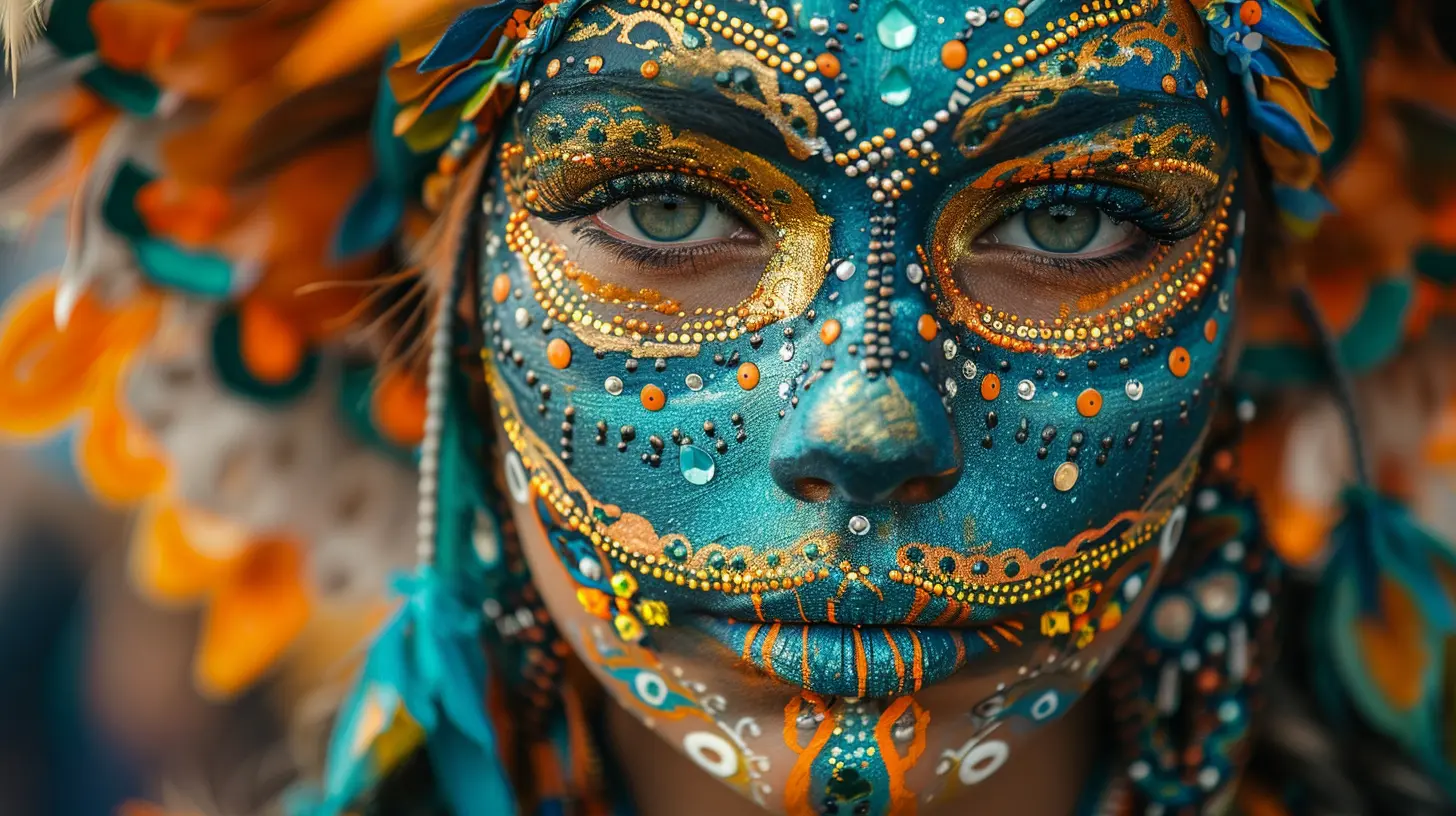
The Allure of Festival Masks: More Than Just Face Value
Let’s start with masks. These artistic gems have been part of festivals since, well… forever.🎭 Cultural Heritage and Spirituality
In many traditions, masks are sacred. In African tribal festivals, masks represent ancestors, gods, and spirits. They aren’t just worn—they’re embodied. When a dancer puts on a ceremonial mask, they become something else, something otherworldly.Think about the Venetian Carnival in Italy. Those glamorous, mysterious masks? They're remnants of a time when people wore them to hide social class and status. Today, they’re stunning pieces of folk art, decked out in feathers, gold leaf, and glitter.
🖌️ Craftsmanship That Tells a Story
Festival masks are handcrafted masterpieces. Whether they’re made of wood, papier-mâché, clay, or even coconut shells—they’re individualized, often passed down through generations. And the artists? Many are local legends in their own right.Not just that—some festivals even host mask-making workshops where visitors can try their own hand at it. It’s part performance, part participation.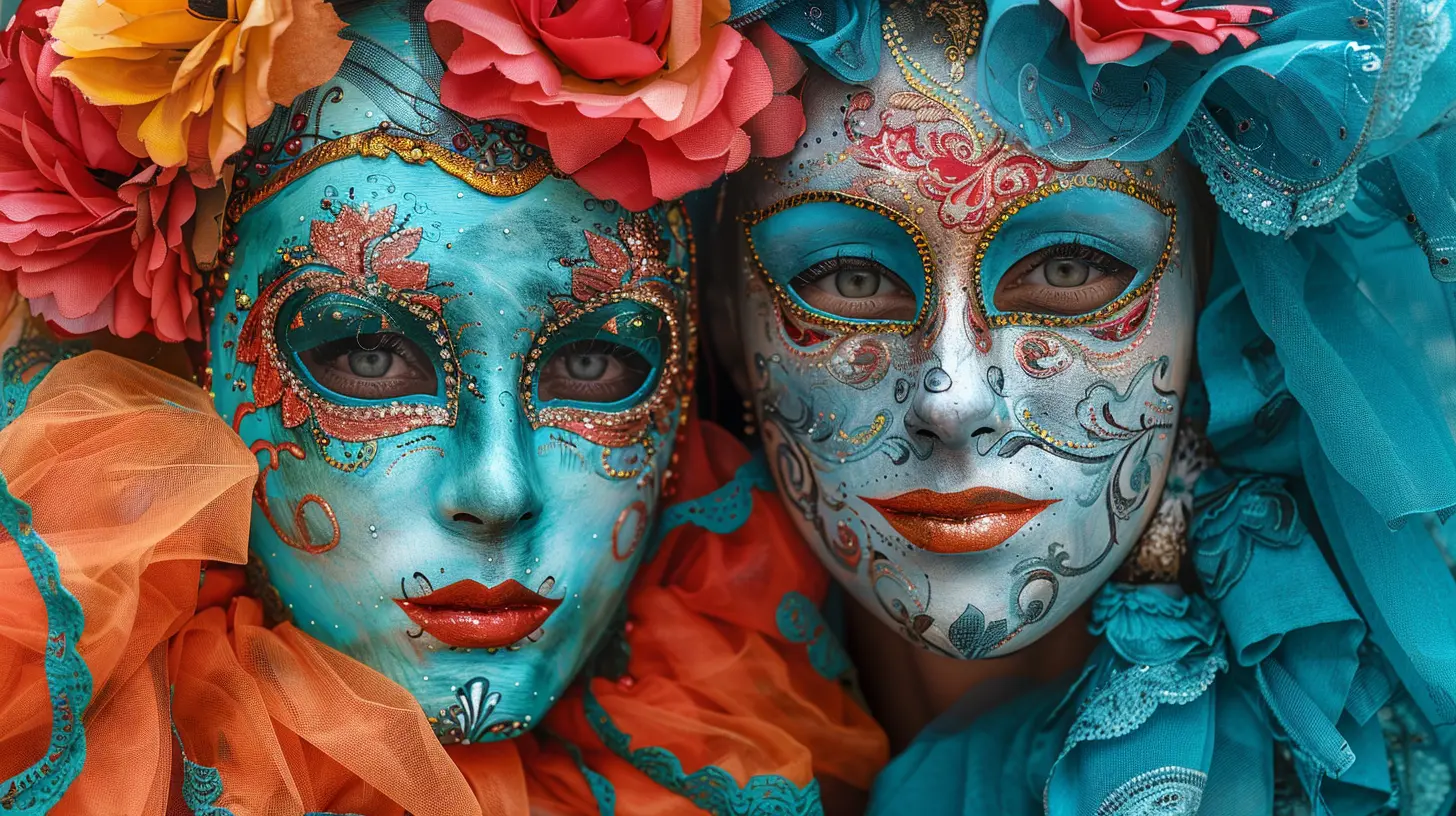
Murals: Walls That Talk During Festivals
Murals are like open-air storybooks. During festivals, entire neighborhoods become art galleries.🎨 Community Expression on a Massive Scale
Ever been to the Holi festival in India or the Upfest in Bristol, UK? They don’t just splash color—they practically repaint entire towns!Festival murals are typically site-specific and temporary. Artists are invited to paint themes that reflect the spirit of the event—whether that’s peace, resistance, joy, or unity. It’s art that speaks to everyone, right where they are.
What’s incredible is how these murals often become the most photographed parts of any festival. Tourists flock to them, and Instagram loves them. They’re visual anchors of the celebration.
🧑🎨 From Local Artists to Global Voices
Festivals give local artists a global platform. They share their culture with the world in a way no stage performance ever could. And because mural work is collaborative, it often brings together artists from different backgrounds—a mini cultural exchange, sprayed across a wall.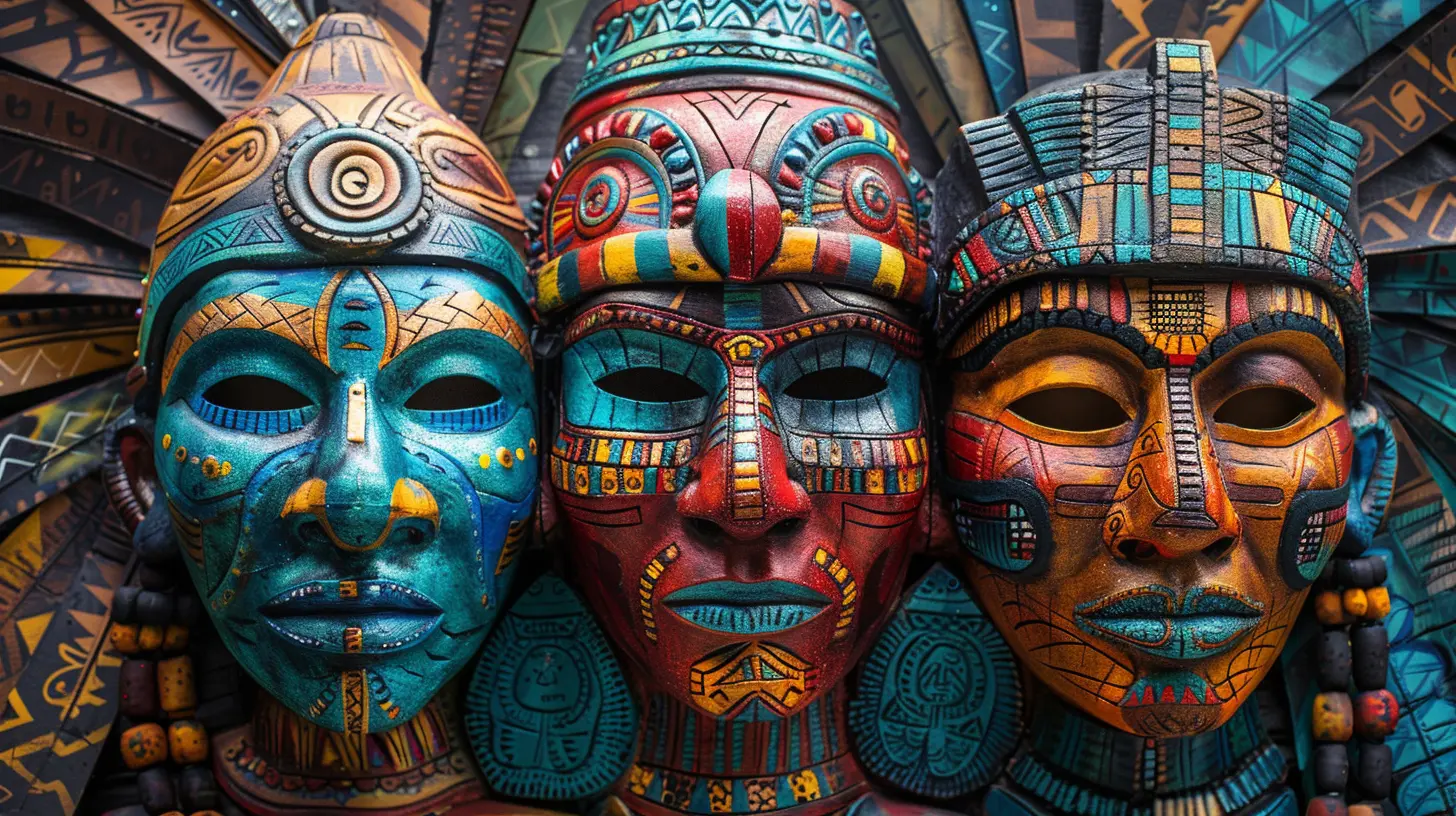
Floats and Parade Art: Moving Masterpieces
You can’t talk about visual arts in festivals without giving a nod (and probably a standing ovation) to parade floats.🚚 More Than Just a Ride
Floats are essentially massive, mobile sculptures. And building them? It’s like creating a stage play on wheels. Teams of artists, electricians, carpenters, and designers come together to create giant sea dragons, celestial goddesses, or even steaming volcanos that roll down the street.In Rio’s Carnival, float building is practically its own art form. Samba schools spend months planning, sculpting, painting, and dressing up their floats. When these finally make their way down the Sambadrome? It's jaw-dropping.
🪅 Cultural Representation in Motion
What’s magical is how these floats often depict myths, historical events, or even political commentary. It’s art that moves—literally and emotionally.Costumes that Create Characters
Let’s be honest. Half the fun of any festival is people-watching—and the showstoppers are always those in over-the-top costumes.👗 Tailored to Tradition
From the feathered headdresses at Brazil’s Carnival to the embroidered garb at Oktoberfest, costumes are a wearable form of visual art. They speak volumes about a country’s history, values, and creativity.For example, in Japan’s Gion Matsuri, participants wear traditional yukata and carry portable shrines. Every thread, every fold is steeped in culture.
🎉 Fantasy Meets Fabric
In more contemporary festivals like Burning Man or Fantasy Fest in Florida, costumes blur the lines between dreams and reality. Want to be a walking jellyfish made of LEDs? Go for it! These festivals encourage total creative freedom.It’s this blend of traditional and bizarre that makes festivals such unique visual playgrounds.
Body Paint: The Canvas of the Self
How can we talk about visual art at festivals and forget body painting?🖍️ A Human Canvas
From indigenous tribes celebrating harvest festivals to the psychedelic designs of body painters at Coachella, painting directly on the skin becomes a way to embody the spirit of the celebration.In Papua New Guinea, entire tribes paint themselves using clay, charcoal, and natural pigments. Every color and pattern means something—courage, mourning, joy, readiness for battle, or spiritual transformation.
At more modern festivals, like Australia’s Rainbow Serpent, body paint becomes a form of self-expression and identity. You don’t just watch the art—you become part of it.
Installation Art at Festivals: Immersing the Senses
Ever walked through a glowing tunnel of lights or stepped inside a life-sized kaleidoscope? Welcome to the world of festival installations.🔮 Interactive Experiences
Unlike static art, installations invite you in. Touch it. Walk through it. Be a part of it. Festivals like Burning Man in Nevada or the Electric Forest in Michigan are renowned for these immersive art zones.These installations might be massive—multi-story metal sculptures that light up in sync with music—or subtle pieces tucked away in wooded corners to be discovered. They delight, surprise, and provoke thought—all at once.
The Unspoken Power of Color in Festival Art
Think about it for a second—every major festival you can name has a color palette.- Holi? Vibrant rainbow powders.
- Día de los Muertos? Deep oranges, bright purples, and inky blacks.
- Chinese New Year? Red and gold galore.
Color isn’t accidental—it’s intentional and powerful. It evokes emotion, conveys meaning, and unifies people. Color is communication.
How Festivals Preserve and Push Cultures Through Art
One of the most beautiful impacts of visual arts at festivals is how they serve as cultural time capsules and launchpads at the same time.Imagine a kid painting their first mask at a local heritage festival. They’re not just having fun—they’re participating in an age-old tradition. At the same time, when urban artists paint a mural on the side of a building during a street fest, they’re pushing culture forward, adding new layers and voices to it.
Festivals keep culture alive—but they also keep it evolving. And it’s the visual art that makes that possible.
Festivals as Living Galleries
Let’s wrap it up with a poetic thought: Festivals are like living, breathing art galleries where every street corner becomes a canvas, every costume a sculpture, and every participant part of the exhibit.Whether you’re marveling at a delicate mask in Bali, dancing alongside a float in New Orleans, or snapping selfies with a towering mural in Berlin—you’re engaging with art in its most vibrant, visceral form.
So next time you find yourself at a festival, look a little closer. The colors, shapes, and forms around you aren’t just decoration—they’re stories. They’re voices. They’re expressions of joy, defiance, love, and life.
And that’s what makes festivals so darn beautiful.
all images in this post were generated using AI tools
Category:
Cultural FestivalsAuthor:
Winona Newman
Discussion
rate this article
2 comments
Rivenheart McCune
Celebrate creativity; let art inspire joy!
January 23, 2026 at 5:09 AM
Winona Newman
Absolutely! Art has a unique way of sparking joy and fostering creativity in our lives. Thank you for your enthusiasm!
Zaren Middleton
What a fascinating exploration of how festivals transform urban spaces! I love the idea of masks and murals intertwining culture and creativity. Can't wait to experience these vibrant expressions firsthand!
January 14, 2026 at 4:40 PM
Winona Newman
Thank you! I'm glad you enjoyed the exploration. I hope you get to experience the vibrant creativity of these festivals soon!