Foodie Adventures Across Continental Europe in 2026
29 April 2026
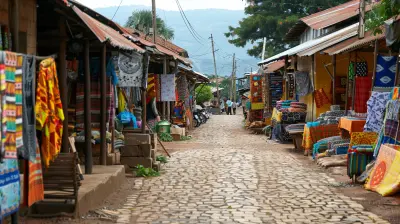
You know that feeling when you’re scrolling through your phone at 2 a.m., and a video of someone pulling apart a gooey, cheese-laden sandwich pops up? Your stomach growls. You start dreaming of cobblestone streets, tiny trattorias, and the smell of fresh bread wafting through an open window. Yeah, me too. That’s why I’m writing this—because 2026 is shaping up to be the year we finally stop just watching food content and start living it. Forget the same old tourist traps. Let’s talk about a real, messy, delicious foodie adventure across Continental Europe. I’m not talking about Michelin-starred pretension; I’m talking about the kind of meals that make you close your eyes and forget your own name.
Why 2026 Is the Perfect Year to Eat Your Way Through Europe
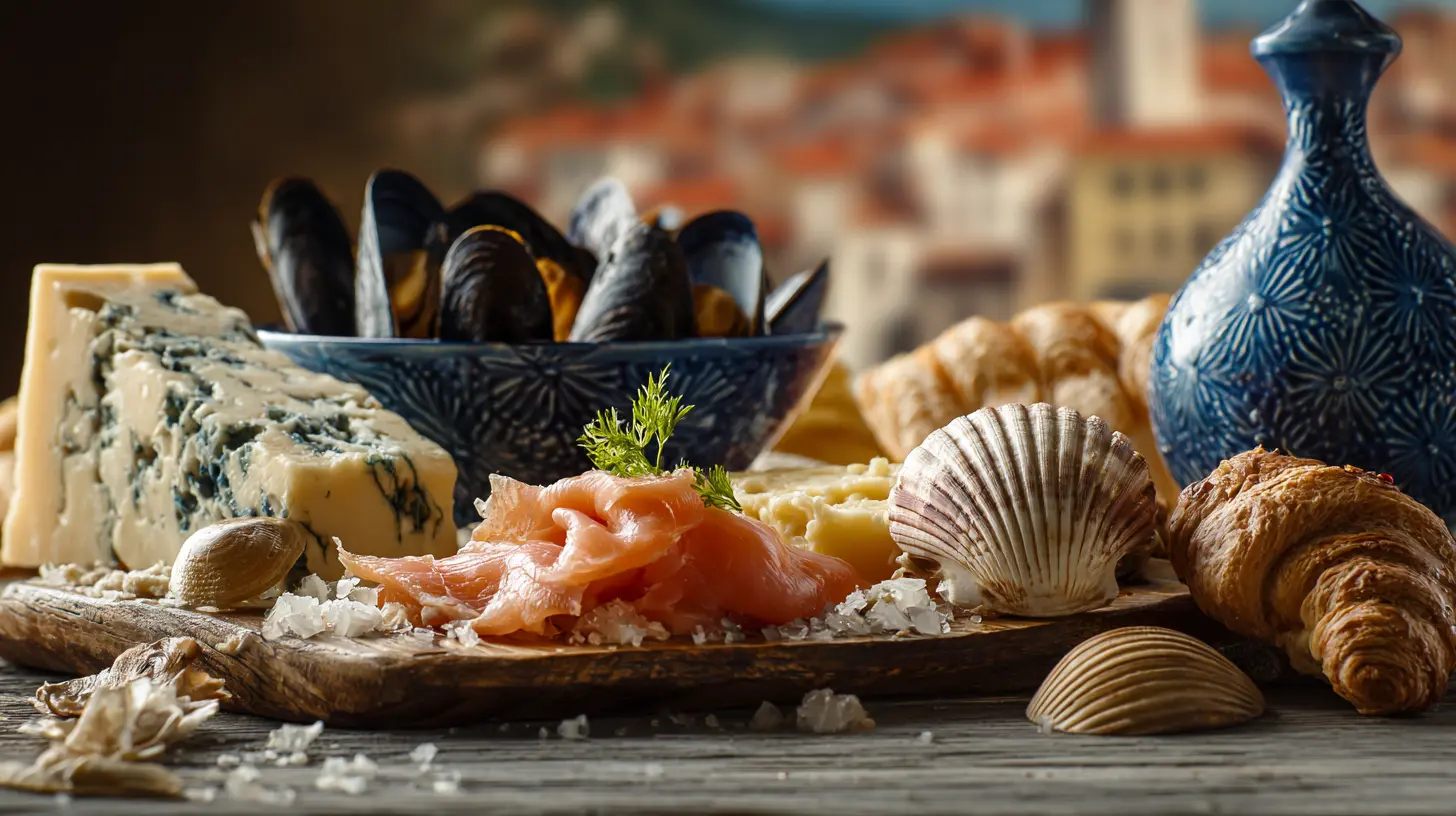
Let’s be honest: the past few years have been a rollercoaster. We’ve all been cooped up, ordering delivery, and pretending we’re fine with sad desk salads. But 2026 feels different. It’s like the continent has collectively decided to throw a giant, edible party. Travel is back in full swing, but with a twist—people are craving authenticity. They want to eat where the locals eat, not where the guidebooks send them. Plus, with new high-speed train routes connecting smaller towns and a surge in farm-to-table movements, you can literally hop from a cheese farm in the French Alps to a seaside fish market in Croatia in a single afternoon. It’s a golden age for the hungry traveler, and I’m here to be your slightly over-caffeinated, very opinionated guide.
The Unwritten Rules of European Food Tourism (That Nobody Tells You)
Before we dive into the specifics, let’s get one thing straight: do not be that person who orders a cappuccino after 11 a.m. in Italy. Seriously, the barista will judge you—and rightfully so. But more importantly, embrace the chaos. European food isn’t just about eating; it’s about rhythm. Breakfast is a quick affair (a croissant and an espresso, standing up), lunch is the main event (two hours, minimum), and dinner starts late, often after 8 p.m. in Spain or 9 p.m. in Portugal. Also, never, ever ask for ketchup with your pasta. That’s not a suggestion; it’s a survival tip. The locals will look at you like you just insulted their grandmother’s recipe. And honestly? They’re not wrong.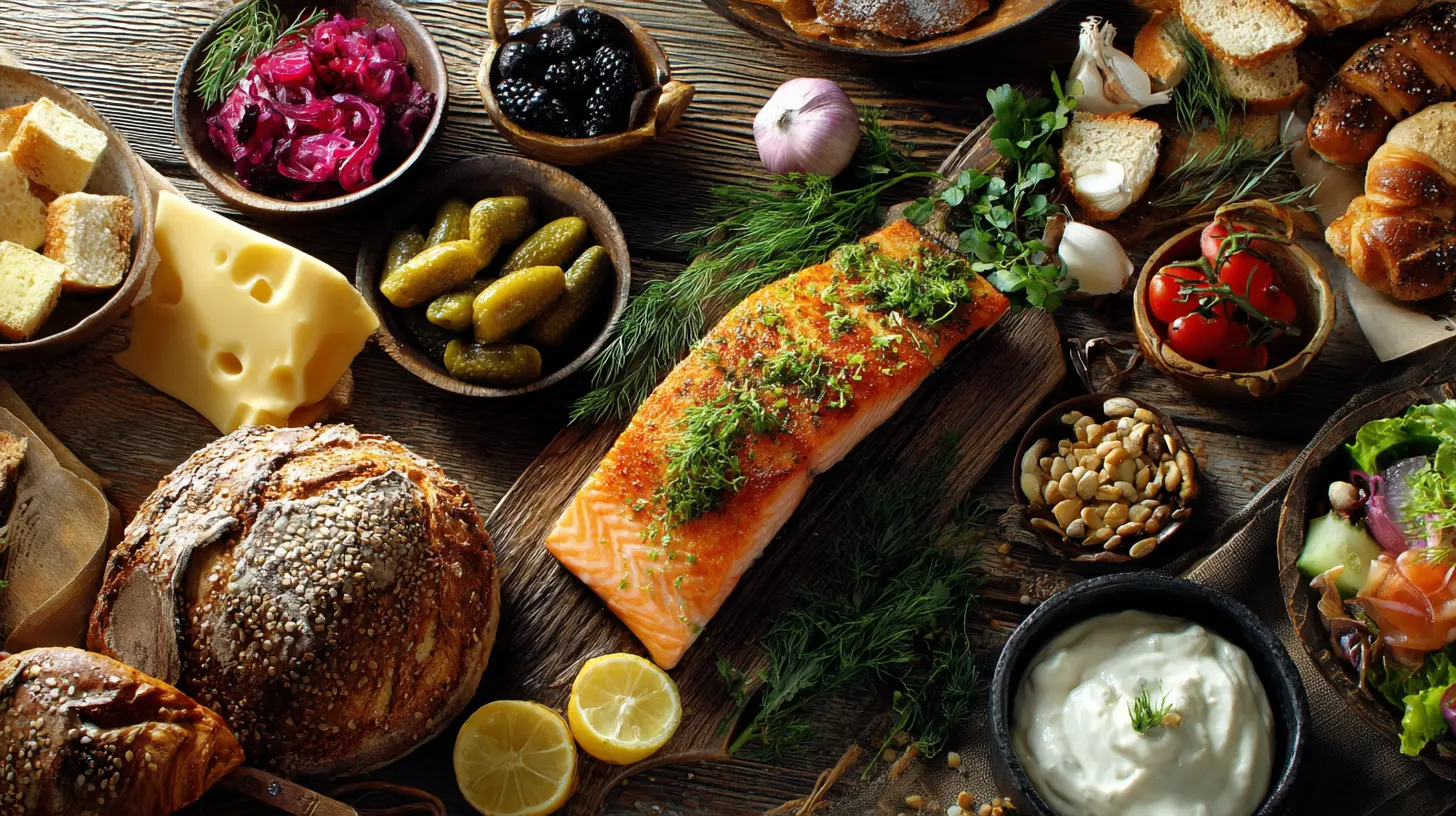
Southern Europe: Where the Sun and Olive Oil Collide
Italy: More Than Just Pizza and Pasta (But Also Those)
Alright, let’s start with the heavyweight champion of foodie destinations: Italy. But here’s the thing—I’m not sending you to Rome for a touristy carbonara. In 2026, the real magic is in the regions. Head to Bologna, and I mean really head there. This city is the food capital of Italy, and it doesn’t care about Instagram aesthetics. You’ll find tiny, family-run osterias where the menu changes daily based on what the owner’s cousin caught that morning. Order the tortellini in brodo—little parcels of pasta swimming in a rich, golden broth. It’s like a hug from a nonna you never had.Then, take a train to Puglia, the heel of Italy’s boot. This place is a sleeper hit for 2026. The olive oil here is liquid gold—literally, you’ll want to drink it. Find a masseria (a fortified farmhouse) that offers cooking classes. You’ll spend the morning picking wild herbs and making orecchiette by hand. The best part? You get to eat the mistakes. And don’t even get me started on the burrata. It’s so fresh, it practically whispers your name. Pair it with a glass of Primitivo wine, and you’ll understand why Italians take their lunch breaks so seriously.
Spain: The Late-Night Tapa Crawl of Your Dreams
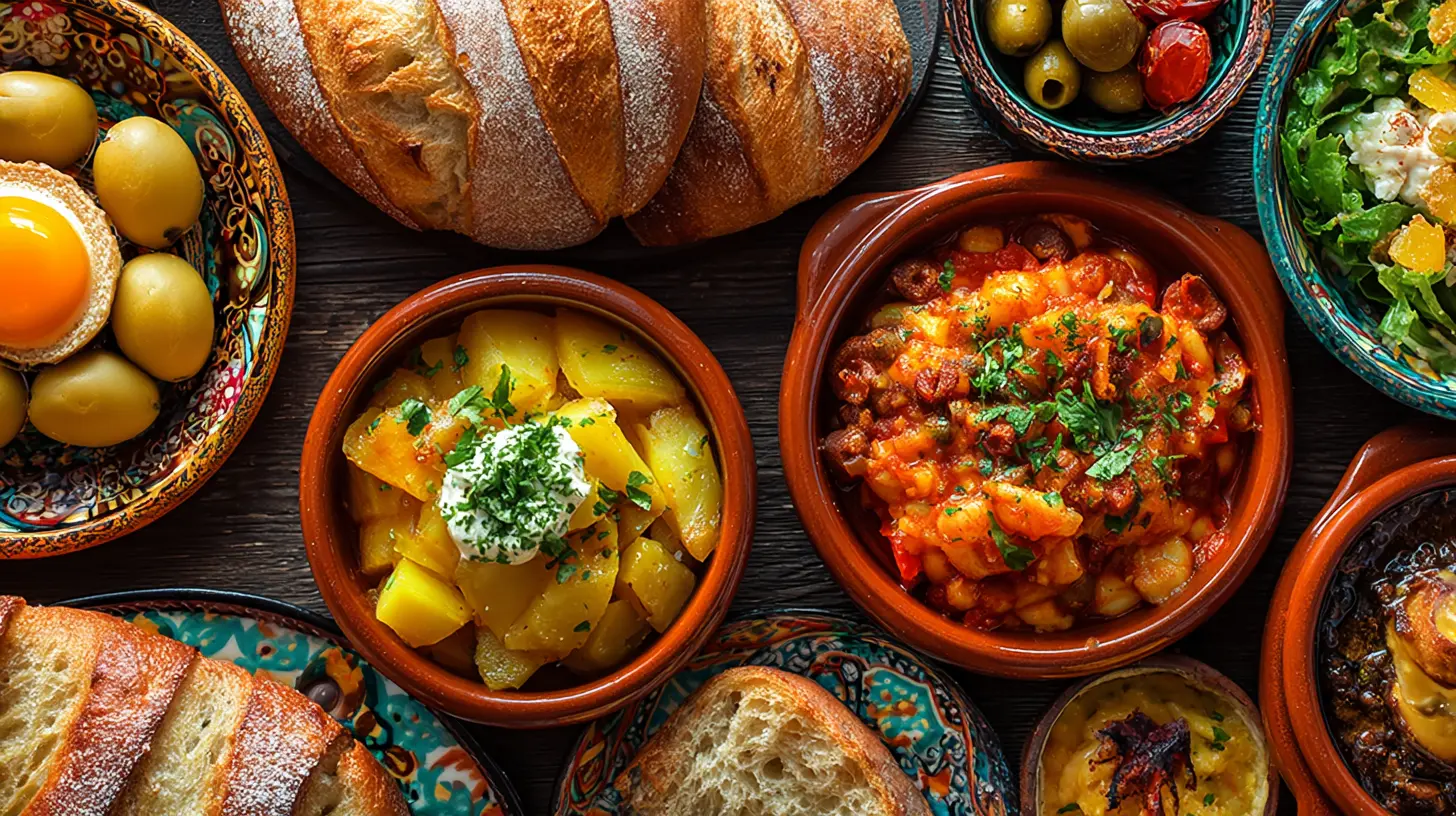
Spain is a whole different beast. It’s loud, it’s late, and it’s absolutely glorious. Forget the paella you had at a tourist beach restaurant—that’s just yellow rice with regrets. In 2026, the real action is in the tabernas of Seville or the bodegas of San Sebastián. Picture this: you’re walking down a narrow, cobbled street at 10 p.m. (yes, 10 p.m. for dinner), and you see a bar with hams hanging from the ceiling like some kind of porky chandelier. You walk in, order a glass of txakoli (a slightly fizzy, tart white wine), and point at whatever looks good on the counter.The key to Spain is tapeo—hopping from bar to bar, eating one or two small dishes at each. At the first stop, you get pimientos de padrón (some are spicy, some are mild—it’s a game of culinary roulette). At the second, you have croquetas de jamón that are creamy on the inside, crispy on the outside. By the third bar, you’re eating pulpo a la gallega (octopus with paprika and potatoes) and wondering why you ever thought sushi was adventurous. The best part? You never feel full; you just feel… satisfied. It’s like a night out with food as your wingman.
Central Europe: The Hearty, Underrated Heavyweights
Poland: The Land of Pierogi and Soul Food
If you think Polish food is just heavy sausages and cabbage, you’re missing out on a whole world of comfort. Poland in 2026 is having a renaissance, especially in cities like Kraków and Wrocław. Yes, you’ll find pierogi—and you should eat them by the dozen. But don’t stop there. Try żurek, a sour rye soup served in a bread bowl, often with a boiled egg and sausage. It’s the kind of meal that makes you want to build a fire and read a thick book.But here’s the pro tip: find a milk bar (a bar mleczny). These are communist-era cafeterias that serve cheap, homey food. The vibe is utilitarian—think fluorescent lights and Formica tables—but the food is pure nostalgia. Order a plate of placki ziemniaczane (potato pancakes) with sour cream and apple sauce. It’s crispy, tangy, sweet, and savory all at once. And it costs about three euros. In 2026, these spots are becoming trendy again, so get there early. It’s like eating in a time capsule, but with better hygiene.
Austria: Beyond the Sachertorte (But Eat That Too)
Vienna is often seen as the elegant, slightly stiff cousin of European capitals. But the food scene in 2026 is anything but stiff. Yes, you must try the Sachertorte at Café Sacher—it’s a chocolate cake so rich, it should come with a warning label. But the real adventure is in the Beisl (traditional taverns) of the city’s side streets. Order a Tafelspitz—boiled beef with horseradish and apple sauce. It sounds boring, I know. But trust me, it’s like the beef equivalent of a perfectly tailored suit: simple, elegant, and unforgettable.Also, don’t skip the street food. In 2026, Vienna’s Naschmarkt is a playground for foodies. Get a Leberkäse sandwich—a kind of meatloaf that’s sliced, grilled, and slapped into a crusty roll with mustard. It’s the ultimate hangover cure, even if you’re not hungover. And if you’re feeling brave, try the Käsekrainer—a cheese-filled sausage that explodes in your mouth like a dairy volcano. Just let it cool down first, okay? I learned that the hard way.
Northern Europe: Fresh, Clean, and Surprisingly Fun
Denmark: The New Nordic Revolution, But Make It Casual
Copenhagen has been the darling of the food world for years, thanks to places like Noma. But in 2026, the real story is the smørrebrød revival. These open-faced sandwiches are the unsung heroes of Danish cuisine. You’ll find them in casual bakeries and hipster cafes. The classic is rugbrød (dark rye bread) topped with pickled herring, dill, and a dollop of crème fraîche. It’s like a party in your mouth, and everyone’s invited.But here’s where it gets interesting: foraging. In 2026, Copenhagen’s food scene is all about what you can find in the wild. Join a guided foraging tour in the city’s parks, where you’ll pick wild ramps, mushrooms, and sea buckthorn. Then, a chef will turn your haul into a lunch that tastes like the forest floor—in a good way. It’s earthy, fresh, and makes you feel like a Viking who also knows how to use Instagram. Plus, you get to brag to your friends back home about eating weeds. “Oh, this? Just some wild sorrel I picked myself.”
Sweden: Fika, but Make It a Lifestyle
Swedes have perfected the art of the coffee break, and it’s called fika. But in 2026, fika isn’t just about coffee and a cinnamon bun—it’s a whole philosophy. Take a break, slow down, and eat something sweet. The cinnamon buns (kanelbullar) in Stockholm are legendary: soft, buttery, and topped with pearl sugar that crunches like tiny diamonds. But don’t stop there. Try a semla—a cardamom-spiced bun filled with almond paste and whipped cream, traditionally eaten before Lent. It’s like a hug in pastry form.And for a savory adventure, head to Gothenburg, the seafood capital of Sweden. The fish market (Feskekôrka) is a must. Grab a bowl of skagenröra—a creamy shrimp and dill salad served on toast. It’s so fresh, you’ll swear the shrimp just jumped out of the sea and onto your plate. Pair it with a cold beer, and you’ve got a meal that’s both elegant and unpretentious. It’s the Swedish way: simple, beautiful, and deeply satisfying.
Eastern Europe: The Hidden Gems You Need to Know About
Croatia: Not Just Dubrovnik’s City Walls
Everyone goes to Croatia for the beaches and the Game of Thrones locations. But the food? That’s the real treasure. In 2026, skip the touristy seafood joints in Dubrovnik and head to the Istrian peninsula instead. This region is Italy’s less-crowded, more affordable cousin. The truffles here are legendary—black and white, shaved over pasta or scrambled eggs. You’ll find them at family-run konobas (taverns) where the owner might sit down and have a glass of malvazija wine with you.And don’t miss the pašticada—a slow-cooked beef stew with prunes and spices, served with homemade gnocchi. It’s the kind of dish that takes three days to make and thirty seconds to disappear. Also, try the burek from a street vendor: flaky pastry filled with cheese, meat, or spinach. It’s the ultimate walking food, perfect for when you’re exploring the ancient streets of Split or Zagreb. Just be prepared for flaky crumbs to follow you everywhere. Worth it.
Romania: The Underdog You Didn’t See Coming
Romania in 2026 is having a moment, and it’s not just about Dracula. The food scene in Bucharest and Transylvania is exploding. Start with mămăligă—a polenta-like dish that’s creamy, comforting, and often topped with sour cream and cheese. It’s the kind of food that makes you want to curl up in a cabin and forget the world. Then, move on to sarmale—cabbage rolls stuffed with minced meat and rice, cooked in a tomato sauce. It’s like a little present you unwrap with your fork.But the real star is the mici (pronounced “meech”). These are small, skinless sausages made from a mix of beef and pork, grilled over charcoal and served with mustard and fresh bread. You’ll find them at street fairs, gas stations, and fancy restaurants. They’re the great equalizer—everyone loves them. And if you wash them down with țuică (a potent plum brandy), you’ll feel like a local in no time. Just go easy on the țuică. Trust me on that one.
Practical Tips for Your 2026 Foodie Journey
Alright, let’s get real for a second. You can’t just wander aimlessly (well, you can, but you’ll miss the good stuff). Here’s the cheat sheet:- Learn a few phrases: “Grazie,” “Gracias,” “Dziękuję”—locals appreciate the effort, and it often gets you better service.
- Eat at the bar: In Italy and Spain, sitting at the counter is cheaper and faster. Plus, you get to watch the chefs work their magic.
- Follow the line: If there’s a queue outside a bakery or a food truck, get in it. Locals know what’s up.
- Don’t skip the markets: From Barcelona’s La Boqueria to Warsaw’s Hala Koszyki, markets are where you’ll find the freshest ingredients and the best people-watching.
- Be flexible: The best meal of your trip might happen when you’re lost, hungry, and stumble into a random place. Embrace the detour.
The Bottom Line: Go Hungry, Come Back Full
Listen, I know planning a foodie trip can feel overwhelming. There’s so much to eat, so little time, and your pants might not forgive you. But that’s the beauty of it. In 2026, Europe is a buffet of experiences, and every bite tells a story. Whether you’re slurping bouillabaisse in Marseille, munching on kielbasa in Kraków, or nibbling stroopwafels in Amsterdam, you’re not just eating—you’re connecting. You’re tasting history, culture, and a little bit of someone’s grandmother’s secret recipe.So pack your stretchy pants, bring an open mind, and maybe a few antacids. Your 2026 foodie adventure is waiting. And trust me, it’s going to be delicious.
all images in this post were generated using AI tools
Category:
Continental TravelAuthor:

Winona Newman
Discussion
rate this article
2 comments
Patricia Patterson
This article beautifully captures the diverse culinary experiences across Europe. I can't wait to explore these foodie destinations in 2026. Great insights!
May 2, 2026 at 2:48 PM
Dana Horne
Savor each moment, taste every culture... Europe's flavors await your eager palate.
May 1, 2026 at 3:15 PM
Winona Newman
Absolutely! Each bite in Europe tells a story. Can't wait to explore these culinary delights!