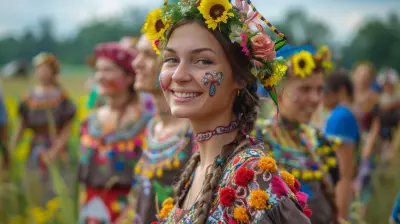
Festivals That Mark the Changing Seasons: A Global Perspective
3 December 2025
There's something inherently magical about the changing of seasons. Each transition—whether from winter to spring, spring to summer, summer to autumn, or autumn to winter—brings a shift in nature, mood, and traditions. Across the world, different cultures celebrate these transformations with vibrant festivals, rituals, and traditions passed down through generations.
Imagine dancing under cherry blossoms, lighting up the night with fire lanterns, or gathering for a harvest feast—all marking the passage of time in a way that brings people together. Let’s take a trip around the globe and uncover some of the most fascinating seasonal festivals that not only celebrate nature's rhythm but also unite communities in joy and gratitude.
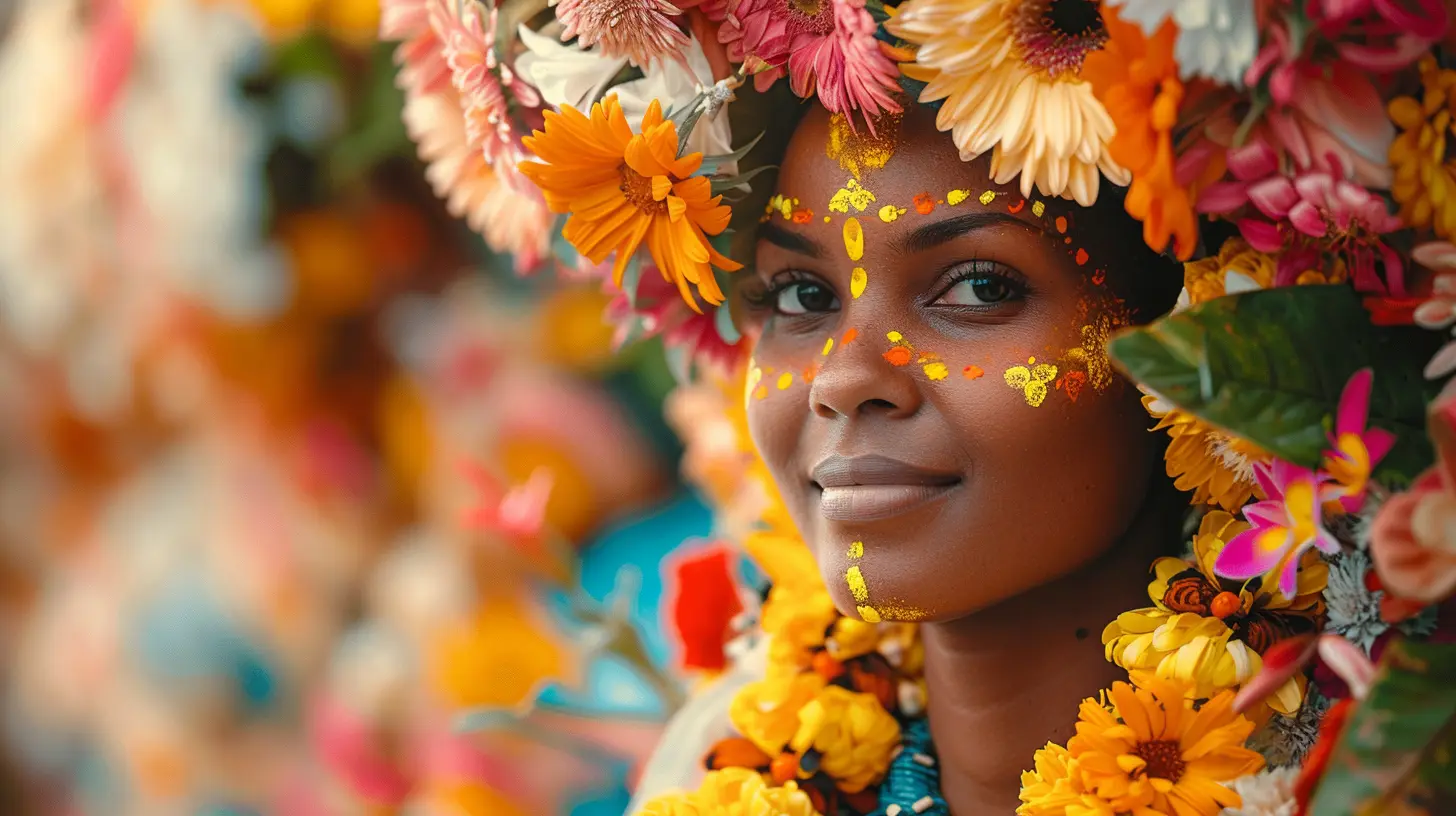
Spring Festivals: Welcoming Life and Renewal
Spring is a time of rebirth, renewal, and new beginnings. Flowers bloom, animals awaken, and the cold fades away. No wonder so many cultures have grand celebrations to welcome this vibrant season!1. Holi – India & Nepal (Festival of Colors)
If joy had a color, it would look like Holi! Also known as the Festival of Colors, Holi marks the arrival of spring in India and Nepal. On this day, streets explode with hues of red, blue, yellow, and green as people throw powdered colors at each other. There's music, dancing, and endless laughter, creating a carnival-like atmosphere. Traditionally, Holi symbolizes the victory of good over evil and the arrival of warmer days.Best time to experience it: March (on the full moon day of the Hindu month of Phalguna)
2. Cherry Blossom Festivals – Japan & Washington D.C.
Have you ever walked under a pink-and-white canopy of cherry blossoms? It's breathtaking! Japan’s Hanami (which means "flower viewing") is an ancient tradition where locals gather beneath sakura trees with food and drinks to enjoy the fleeting beauty of cherry blossoms. Similarly, Washington D.C.’s annual Cherry Blossom Festival celebrates the arrival of spring with parades, fireworks, and cultural performances.Best time to experience it: Late March to mid-April (depending on the bloom)
3. Nowruz – Persian New Year (Iran & Central Asia)
Nowruz (or "New Day" in Persian) is a 3000-year-old festival marking the Persian New Year and the arrival of spring. Families deep-clean their homes (a tradition called "Khaneh Tekani") and gather to feast on symbolic foods like sprouts, eggs, and fish—each representing renewal and prosperity. The highlight? Jumping over fire during Chaharshanbe Suri, symbolizing purification and the burning away of negativity.Best time to experience it: March 20-21 (Spring Equinox)
Summer Festivals: Embracing Warmth and Energy
As the days grow longer and the sun shines brighter, summer festivals bring communities together to celebrate warmth, light, and abundance.4. Midsummer – Sweden & Nordic Countries
Imagine dancing around a maypole, wearing flower crowns, and indulging in pickled herring and strawberries. That's Midsummer in Sweden! This festival, steeped in folklore, welcomes the longest day of the year with bonfires, singing, and traditional dances. It’s believed that flowers picked on this night and placed under your pillow will reveal your true love in a dream.Best time to experience it: Late June (closest Friday to June 24)
5. Inti Raymi – Peru (Festival of the Sun)
High in the Andes, Peruvians honor Inti, the Incan Sun God, with a grand reenactment of ancient rituals. Inti Raymi, celebrated in Cusco, was once the most important festival of the Incan Empire. Today, thousands gather to witness traditional performances, processions, and ceremonial sacrifices to ensure prosperity for the coming year.Best time to experience it: June 24
6. Obon – Japan (Honoring Ancestors)
Obon is a beautiful Japanese festival where families honor their ancestors' spirits. Lanterns are lit and floated on rivers, symbolizing guiding spirits back to the afterlife. The festival is also known for its traditional Bon Odori (Bon dances), performed in temple courtyards and town squares. It’s a heartfelt blend of remembrance and celebration.Best time to experience it: Mid-July or August (dates vary by region)
Autumn Festivals: Harvest and Gratitude
Autumn is the season of golden leaves, crisp air, and bountiful harvests. Many cultures celebrate by giving thanks for nature’s generosity.7. Mid-Autumn Festival – China & East Asia
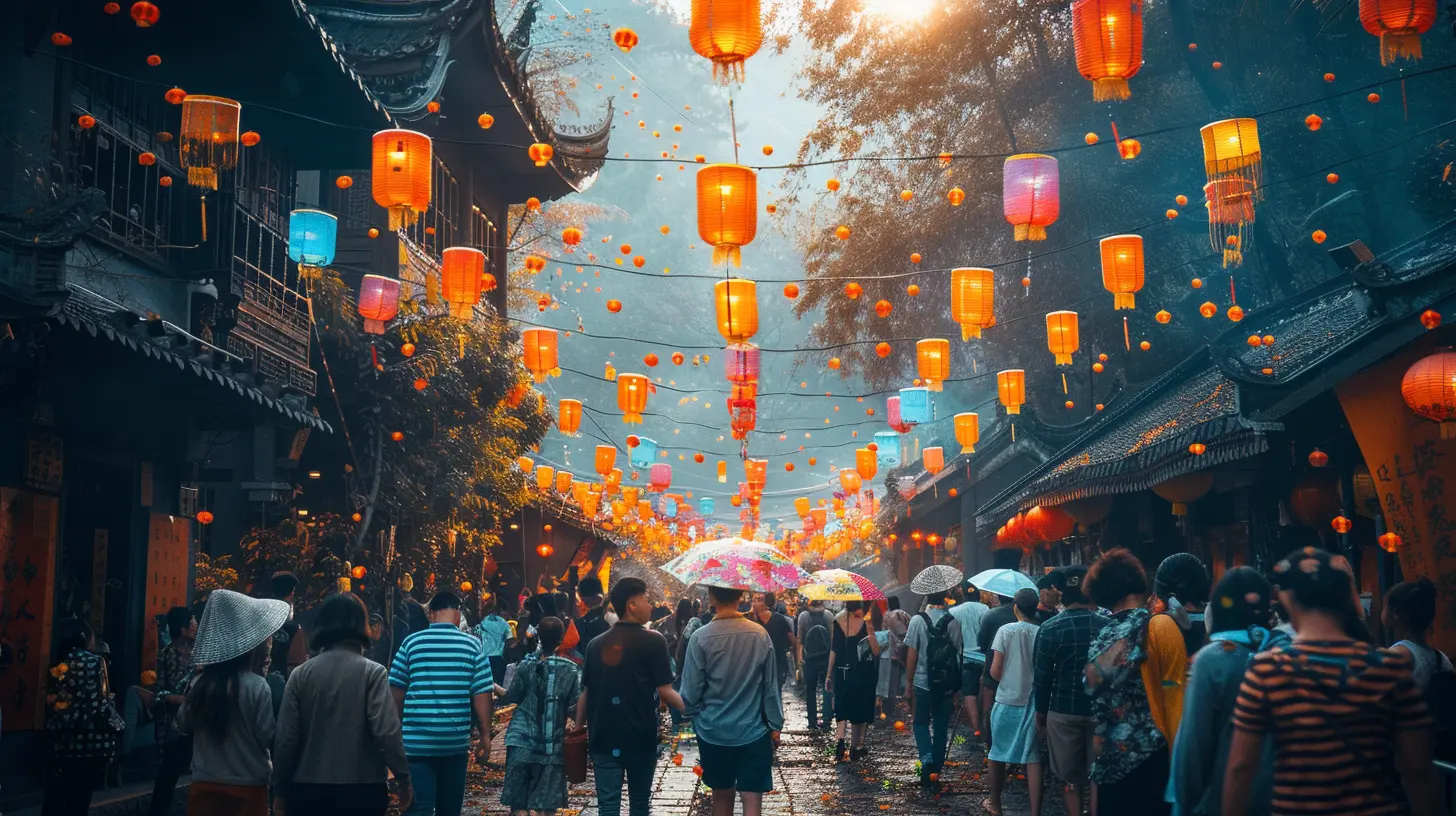
Also called the Moon Festival, this Chinese tradition is a night of lanterns, mooncakes, and family gatherings. The festival is rooted in the legend of Chang’e, a moon goddess who ascended to the heavens. People admire the full moon, light lanterns, and share sweet mooncakes as a symbol of unity and togetherness.Best time to experience it: Mid-September to early October (on the 15th day of the 8th lunar month)
8. Oktoberfest – Germany (Beer and Bavarian Fun)
Autumn wouldn't be the same without Oktoberfest! This world-famous festival in Munich started centuries ago as a royal wedding celebration and evolved into a massive beer festival. Think overflowing steins, traditional Bavarian outfits, folk music, and hearty German food—it’s the ultimate autumn party!Best time to experience it: Late September to early October
9. Thanksgiving – USA & Canada
Nothing screams autumn more than Thanksgiving. Families gather around enormous feasts of turkey, stuffing, and pumpkin pie to express gratitude. While the American and Canadian versions differ slightly, the essence remains the same—a heartfelt thank-you for the harvest and blessings of the year.Best time to experience it: Second Monday of October (Canada); Fourth Thursday of November (USA)
Winter Festivals: Light in the Darkness
Winter brings long nights and cold days, but around the world, festivals of light bring warmth, joy, and hope.10. Diwali – India (Festival of Lights)
Diwali is the literal definition of lighting up the darkness. Indian homes glow with oil lamps (diyas) and fireworks as families celebrate the victory of light over darkness and good over evil. People wear new clothes, exchange sweets, and offer prayers to Lakshmi, the goddess of prosperity.Best time to experience it: October-November (based on the Hindu lunar calendar)
11. Yule – Scandinavia (Pagan Winter Solstice Festival)
Before there was Christmas, there was Yule—a Norse Pagan festival celebrating the winter solstice. The Yule log, still a Christmas tradition today, was originally a large log burned to bring warmth and ward off evil spirits. Today, modern Yule celebrations incorporate feasting, storytelling, and lighting candles to welcome back the sun.Best time to experience it: December 21-22 (Winter Solstice)
12. Chinese New Year – China & East Asia
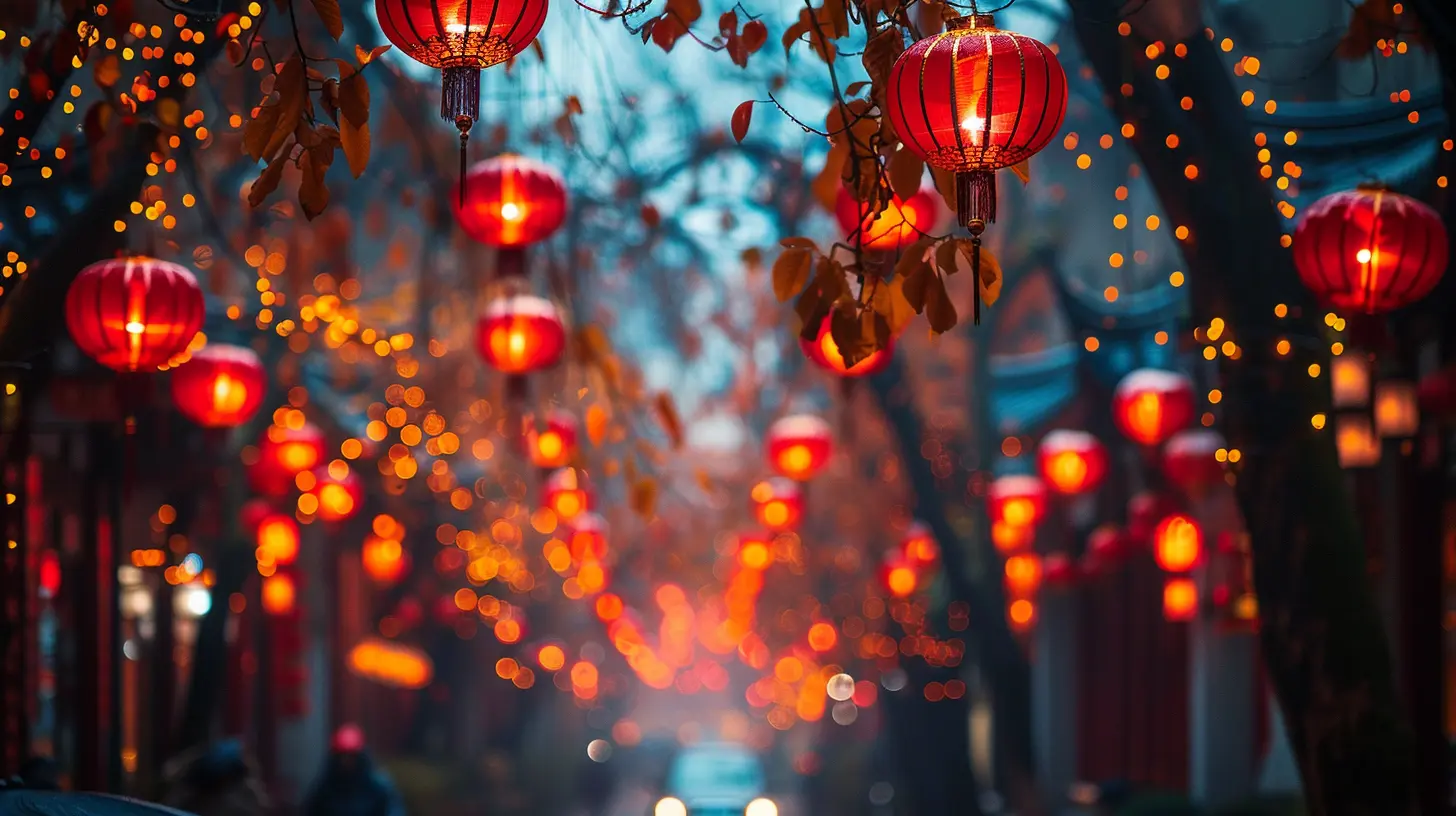
While technically marking the start of spring in the lunar calendar, Chinese New Year festivities take place in the heart of winter. Fireworks, dragon dances, red lanterns, and feasts fill the air with excitement. Each year is linked to the Chinese zodiac, adding an extra layer of significance to the celebrations.Best time to experience it: Late January to mid-February (first new moon of the lunar calendar)
Final Thoughts
Seasonal festivals remind us that no matter where we are in the world, nature plays a major role in shaping our traditions. Whether it’s dancing in the summer sun, feasting on autumn’s harvest, or lighting lanterns in winter, these festivals keep us connected to the earth’s cycles—and to each other.Each season holds its own beauty, and these celebrations ensure we don’t just let time pass us by. So, which of these festivals would you love to experience firsthand?
all images in this post were generated using AI tools
Category:
Cultural FestivalsAuthor:
Winona Newman
Discussion
rate this article
2 comments
Alexia Lamb
Experience diverse cultures through seasonal festivals; each offers unique traditions and unforgettable memories!
December 8, 2025 at 4:15 AM
Winona Newman
Thank you! Seasonal festivals truly enrich our understanding of diverse cultures and create lasting memories.
Amber McCarty
What a fascinating exploration of seasonal festivals! Each celebration offers a unique glimpse into cultural traditions and the human connection to nature. I can’t wait to learn more about the stories behind these vibrant events!
December 6, 2025 at 5:04 AM
Winona Newman
Thank you! I'm glad you found it fascinating. There's so much richness in these traditions, and I look forward to sharing more stories with you!