Facing the Rapids: Tips for Your First White-Water Kayaking Experience
27 May 2026
White-water kayaking is one of the most thrilling outdoor adventures you can embark on. Imagine paddling through roaring rapids, feeling the rush of adrenaline as you navigate rushing waters, and experiencing nature from a whole new perspective. Sounds incredible, right?
But let’s be real—diving into the world of white-water kayaking for the first time can be both exciting and nerve-wracking. If you’re new to this sport, you’re in the right place. This guide is packed with useful tips to help you tackle your first white-water kayaking experience with confidence. 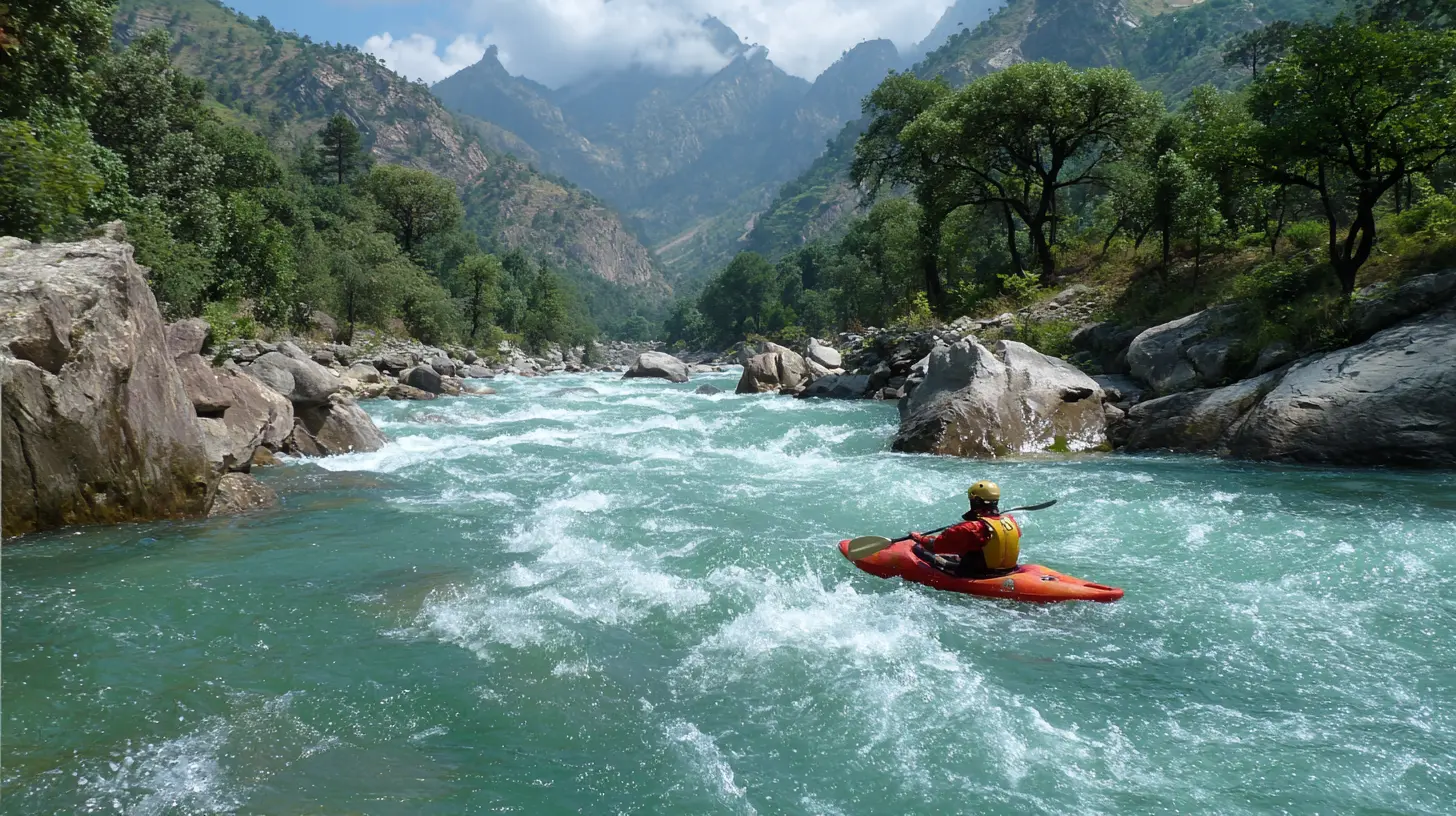
Understanding the Basics of White-Water Kayaking
Alright, before we jump into the details, let’s cover the basics. White-water kayaking isn’t like a leisurely paddle around a calm lake—it's an entirely different beast. You'll be maneuvering through fast-moving water, dodging rocks, and using precise paddling techniques to control your kayak.Choosing the Right Kayak
Not all kayaks are created equal, especially when it comes to white-water kayaking. Here are the main types to consider:- Creek Boats – Great for beginners, these boats are designed for stability and control in rough waters.
- Playboats – Ideal for tricks and stunts, but not recommended for first-timers.
- River Runners – A balanced option for speed, maneuverability, and ease of handling.
If you're just starting, a creek boat or river runner will be your best bet.
Essential Gear You Need
You wouldn't go skydiving without a parachute, right? White-water kayaking also demands the right gear to keep you safe. Here’s what you’ll need:- Personal Flotation Device (PFD) – A life jacket specifically designed for kayaking.
- Helmet – Trust me, you don’t want to hit your head on a hidden rock.
- Paddle – A sturdy, lightweight paddle that suits your height and strength.
- Spray Skirt – Keeps water out of your kayak while navigating rapids.
- Dry Suit or Wet Suit – Depending on the temperature, you'll need the right clothing to stay comfortable.
- Footwear – Neoprene booties or water shoes with good grip. 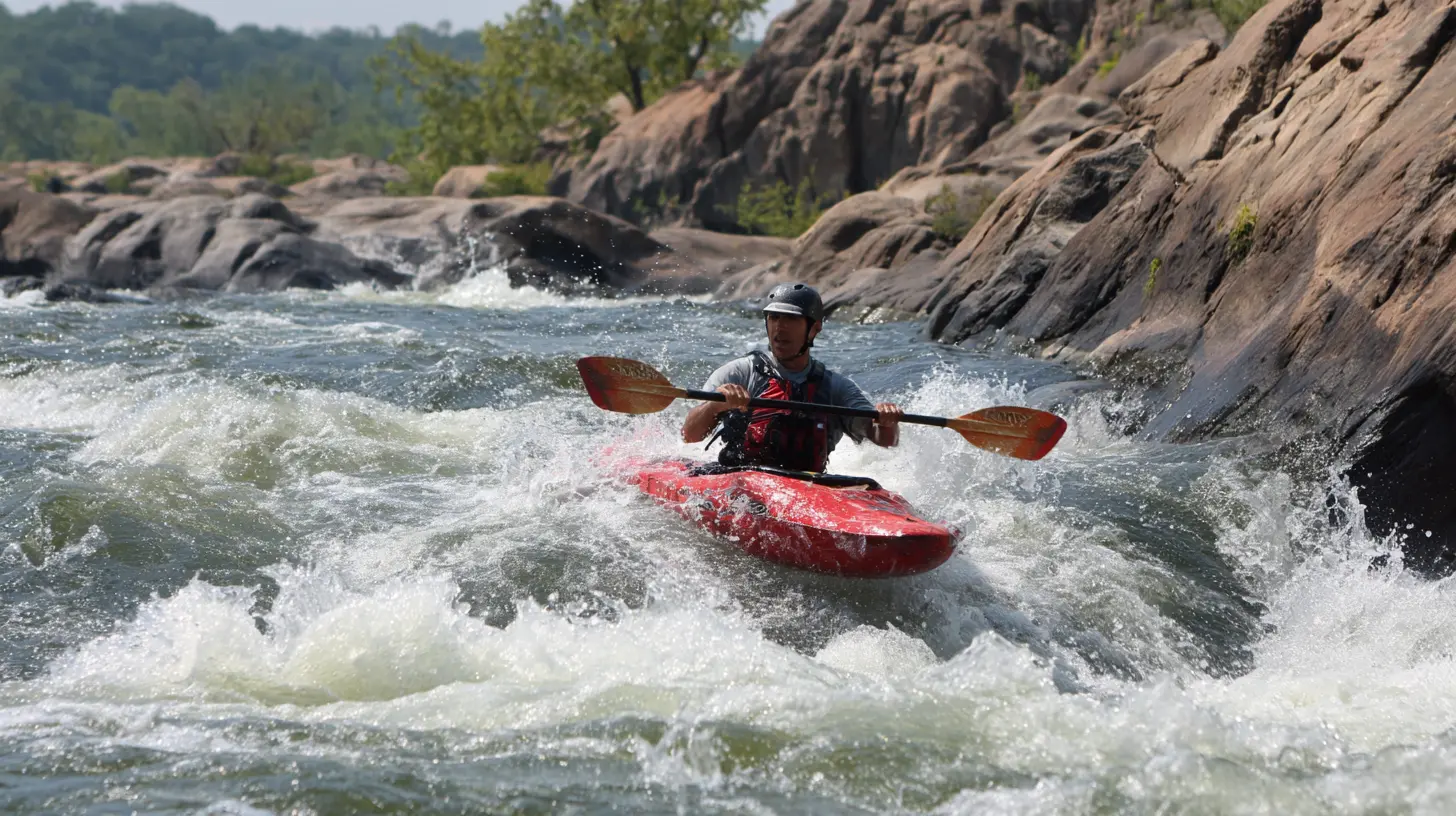
Before You Hit the Rapids
Take a Lesson or Join a Guided Tour
Even if you're a natural at water sports, white-water kayaking is a different ball game. Taking a lesson from a professional instructor or joining a guided tour can make a world of difference. You'll learn basic paddling techniques, how to read the river, and most importantly, what to do if you flip over.Understand River Ratings
Rivers are classified based on difficulty. As a beginner, stick to Class I or Class II rapids. Here's a simple breakdown:- Class I (Easy) – Gentle currents, no obstacles.
- Class II (Novice) – Slightly challenging with small waves and rocks.
- Class III (Intermediate) – Stronger currents, bigger waves, and more technical navigation.
- Class IV+ (Advanced & Extreme) – For experienced kayakers only.
For your first adventure, avoid anything above Class II. You don’t want to bite off more than you can chew.
Learn Basic Paddling Techniques
Before hitting the water, practice these key paddling techniques:- Forward Stroke – The fundamental stroke to propel you forward.
- Sweep Stroke – Helps turn your kayak in the right direction.
- Draw Stroke – Moves your kayak sideways to avoid obstacles.
- Bracing – Keeps you balanced and prevents capsizing.
Mastering these basics will give you confidence when paddling through rapids. 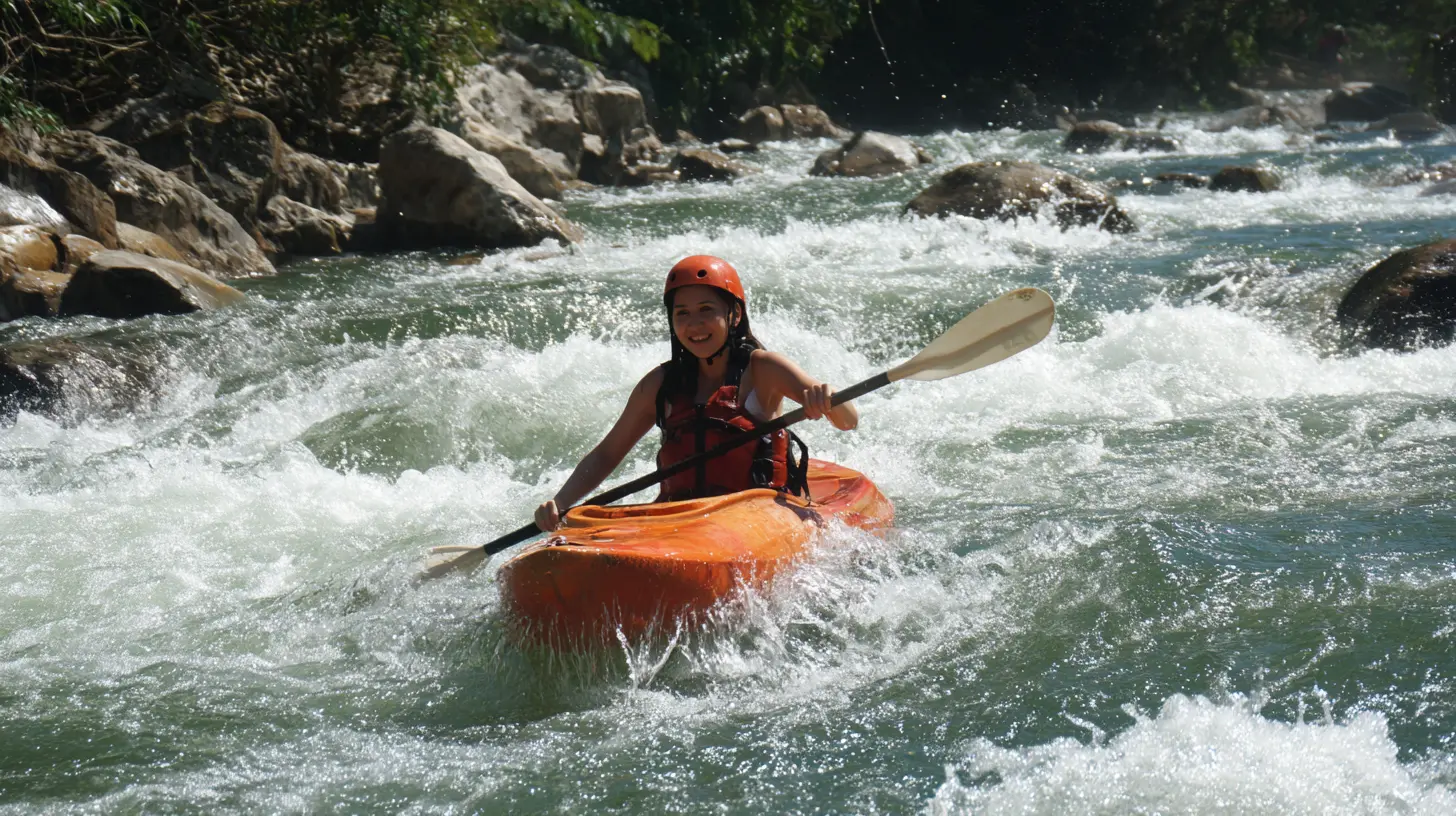
On the Water: Tips for a Safe and Fun Experience
1. Start Slow and Stay Calm
When you first enter the rapids, you might feel overwhelmed. That’s completely normal! The key is to stay calm and take it one step at a time. Control your breathing, keep your eyes on where you want to go, and trust your instincts.2. Keep Your Paddle Moving
One rookie mistake? Freezing up. If you stop paddling, you’ll lose control and become a sitting duck. Even if the rapids seem intimidating, keep that paddle moving—your strokes are what keep you balanced and in control.3. Look Where You Want to Go
This might sound obvious, but it's crucial. Your kayak follows your gaze. If you focus on an obstacle, chances are you’ll head straight for it. Instead, always look at the path you want to take.4. Go with the Flow—Literally
The river will do a lot of the work for you. Instead of fighting the current, work with it. Let the water guide you while making small adjustments with your paddle to stay on course.5. If You Flip, Don’t Panic
Flipping your kayak is part of the learning curve. If it happens, don’t panic. Try to perform a wet exit (where you safely get out of your kayak) and grab onto your boat. If you’ve practiced an Eskimo roll, you may even be able to flip yourself back upright without exiting.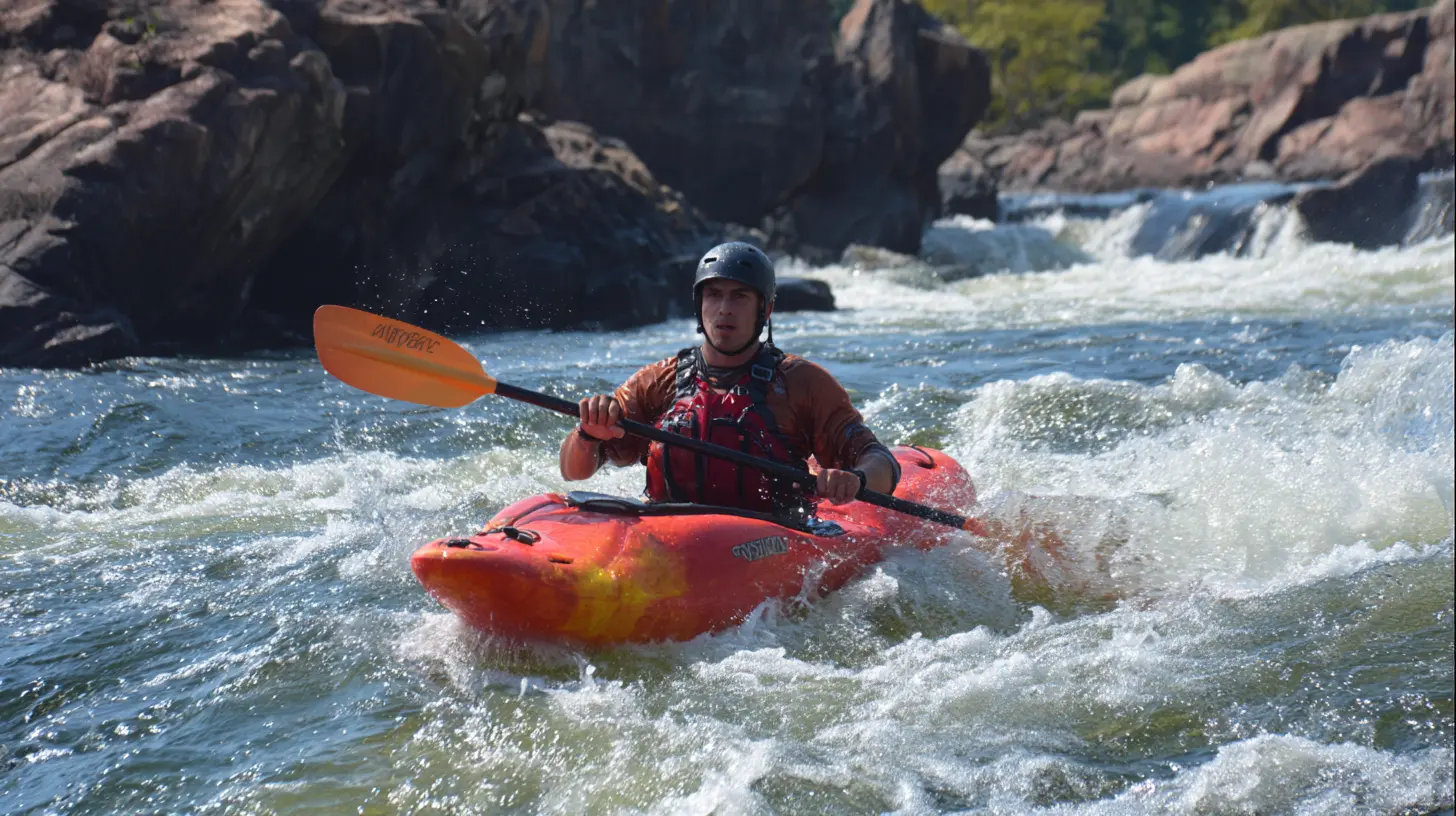
After the Adventure: What’s Next?
Reflect and Learn
Once you're back on dry land, take a moment to reflect on what went well and what you need to improve. Did you struggle with certain paddling techniques? Did you panic when approaching a rapid? Learning from each trip helps you grow as a kayaker.Plan Your Next Trip
Now that you’ve tackled your first white-water kayaking adventure, it’s time to plan the next one! Gradually challenge yourself with slightly more advanced rapids when you feel ready. But remember, safety first.Join a Kayaking Community
Kayaking isn’t just a sport—it’s a lifestyle. Joining a local kayaking group or online community can help you meet fellow enthusiasts, gain valuable tips, and even find new places to paddle.Final Thoughts
White-water kayaking is an exhilarating experience that pushes you out of your comfort zone. Yes, it comes with challenges, but with the right preparation and mindset, you’ll be riding rapids like a pro in no time.So, are you ready to face the rapids? Grab your paddle, gear up, and dive in—because the adventure of a lifetime awaits you!
all images in this post were generated using AI tools
Category:
Adventure TravelAuthor:

Winona Newman
Discussion
rate this article
1 comments
Zephyrion Vaughn
Embrace the thrill of the rapids, but respect the power of the water. Preparation and patience are your best allies for an unforgettable adventure. Enjoy the journey!
June 7, 2026 at 4:34 AM
Winona Newman
Absolutely! Preparation and respect for the water make all the difference. Enjoy the ride!