Exploring the World's Most Iconic Cultural Landmarks in 2026
30 April 2026
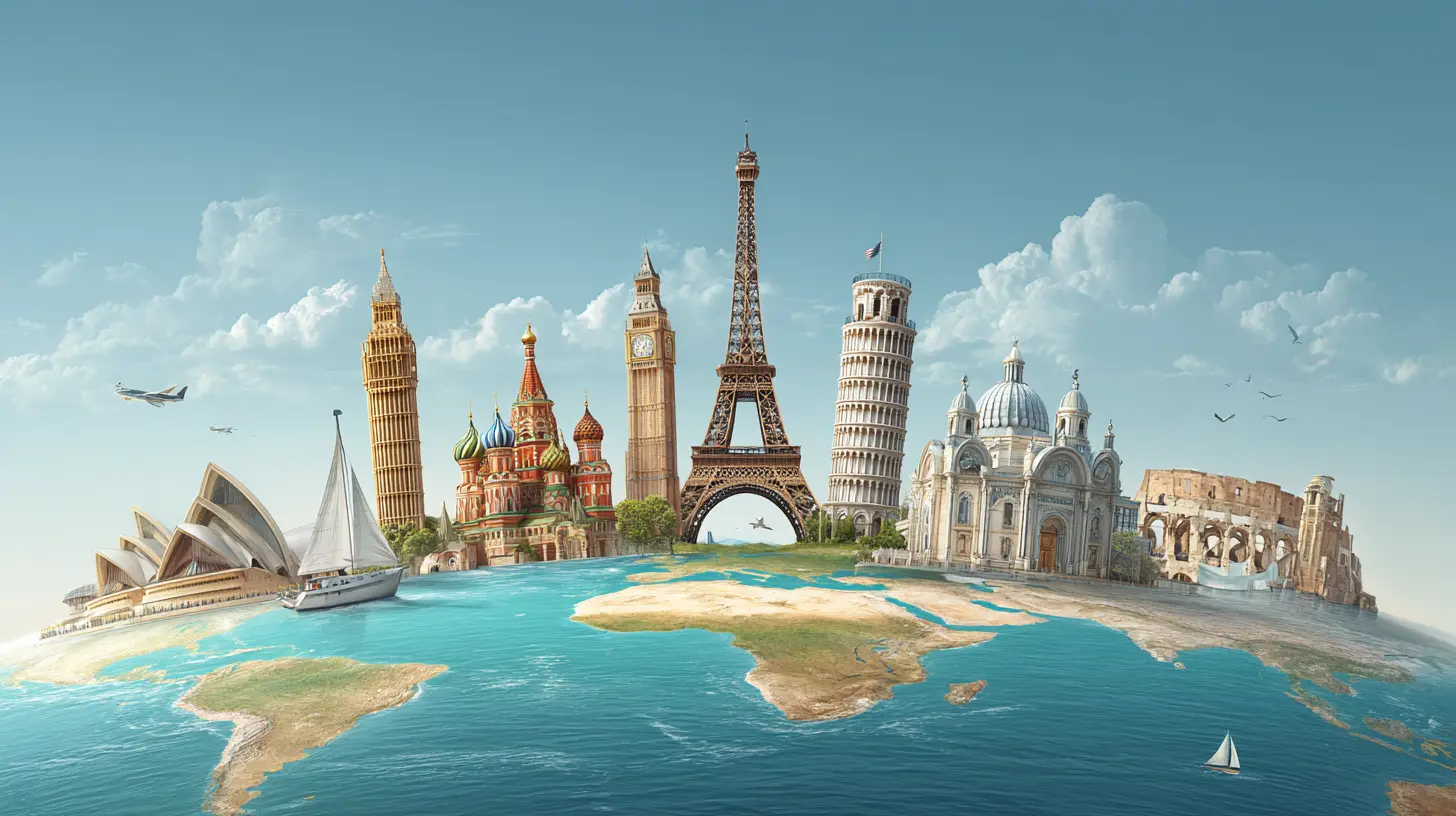
Oh, look. It’s 2026. The future is here, and apparently, we’ve decided to spend it elbow-to-elbow with a thousand strangers, all trying to take the same photo of a really old building. Because nothing says “enlightened global citizen” like fighting a selfie-stick-wielding tourist from Nebraska for a glimpse of the Leaning Tower of Pisa. But hey, you’ve got your passport, your sensible walking shoes, and a burning desire to Instagram something that’s been standing for centuries. So let’s dive into the world’s most iconic cultural landmarks in 2026—with a heavy dose of sarcasm, a pinch of playful reality, and zero patience for those who say “it’s about the journey, not the destination” while their flight gets delayed for the third time.
The Great Wall of China: A Really, Really Long Walk You’ll Regret
Let’s start with the obvious. The Great Wall of China. It’s 21,196 kilometers long. That’s not a typo. That’s the length of approximately 21,196,000 meters, or roughly the distance you’ll feel in your calves after the first 200 steps. In 2026, the Wall is still there, mostly intact, and still being climbed by optimistic tourists who think “moderate difficulty” means “a gentle stroll with a nice breeze.” Spoiler: it doesn’t.You’ll arrive at the Mutianyu section (because everyone told you it’s less crowded, which is a lie), and you’ll immediately be greeted by a queue that rivals a Black Friday sale. The air smells like sunscreen, regret, and overpriced bottled water. You’ll climb steps that were clearly designed by someone who hated humanity—uneven, steep, and with a handrail that feels suspiciously loose. But you’ll push on because you’ve paid for the ticket, and by god, you’re going to get your money’s worth.
Halfway up, you’ll see a group of influencers doing a photoshoot in matching beige outfits, pretending they’re having a profound spiritual moment. They’re not. They’re sweating, their foundation is melting, and their “candid” shot took 47 takes. But you’ll smile, nod, and think, “I could have just watched a documentary on this.” Yet, when you reach the top and see the Wall snaking over the green hills like a stone dragon, you’ll forget the crowds, the sweat, and the fact that your phone battery is at 12%. You’ll feel small, humbled, and maybe a little annoyed that you can’t brag about this without sounding cliché.
Pro tip for 2026: Go at sunrise. Or don’t. Either way, bring snacks. And patience. And maybe a therapist for the post-vacation blues.
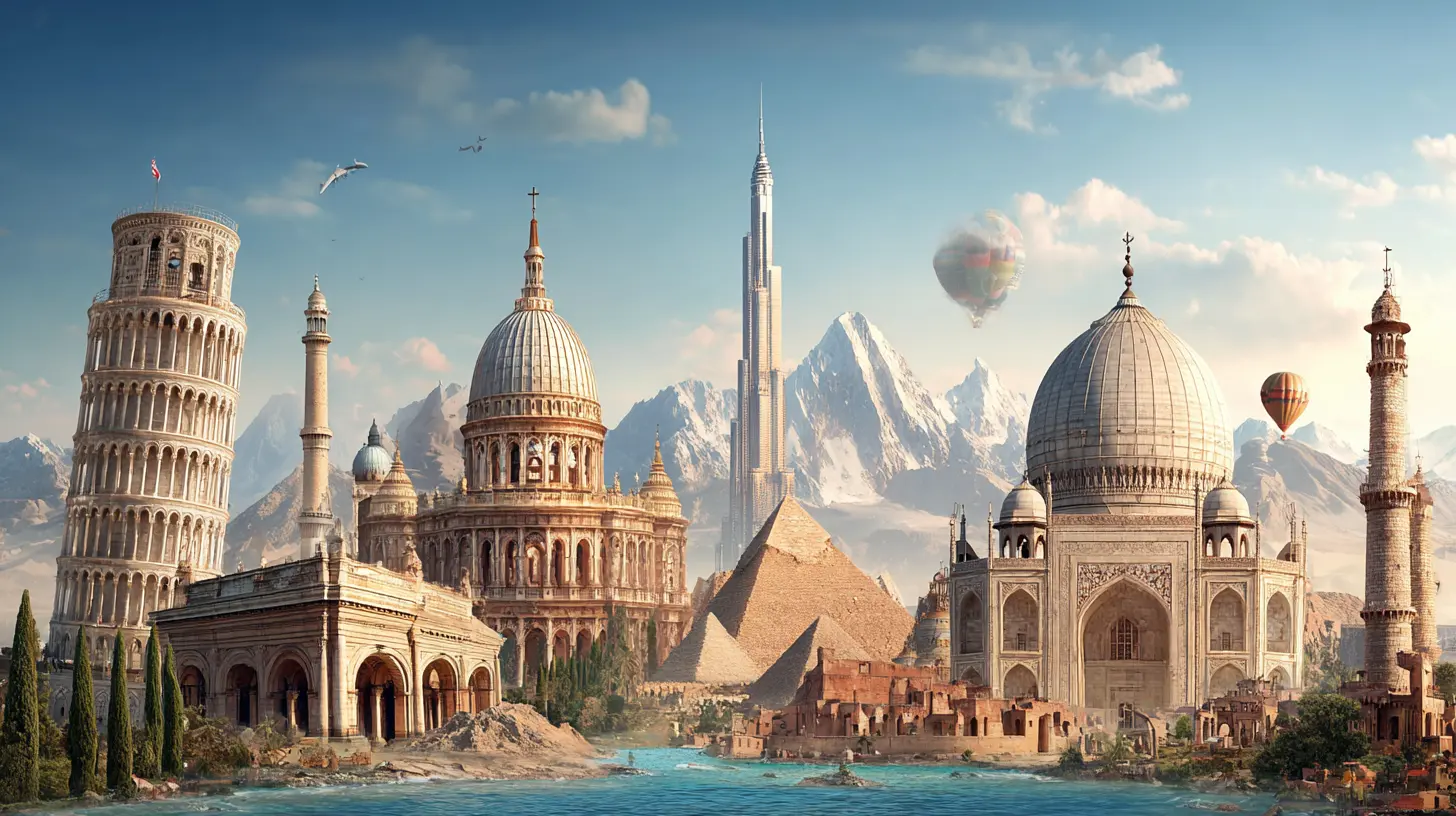
The Colosseum: Where Ancient Gladiators Meet Modern-Day Queue Warriors
Rome’s Colosseum is a masterpiece of ancient engineering. It’s also a masterpiece of making you wait in line for 90 minutes under the Italian sun while a guy dressed as a centurion tries to charge you €20 for a photo. In 2026, the Colosseum is still the go-to spot for tourists who want to feel like they’re in a Russell Crowe movie, minus the sandals and the lion.You’ll book your “skip-the-line” ticket online (which is actually just “wait in a slightly shorter line”), and then you’ll be herded through security like cattle. Inside, you’ll see the hypogeum—the underground tunnels where gladiators and animals were kept—and you’ll marvel at how Romans managed to flood the arena for naval battles. But let’s be real: you’re mostly thinking about where to get the best gelato afterward.
The Colosseum in 2026 is a lesson in contrast. You’ve got ancient stone arches, and right next to them, a tourist is live-streaming to TikTok, complaining about the heat. You’ll hear guides shouting facts in five languages, and you’ll wonder if the ghost of a gladiator is rolling its eyes at the chaos. But then you’ll look up at the broken top rim, imagine the roar of 50,000 spectators, and feel a chill that has nothing to do with the weather. It’s iconic for a reason—even if that reason is now tangled up with selfie sticks and overpriced souvenirs.
Sarcastic highlight: The Colosseum’s gift shop sells a “gladiator helmet” made of plastic. It’s €35. You’ll buy it. You’ll regret it. You’ll keep it forever.
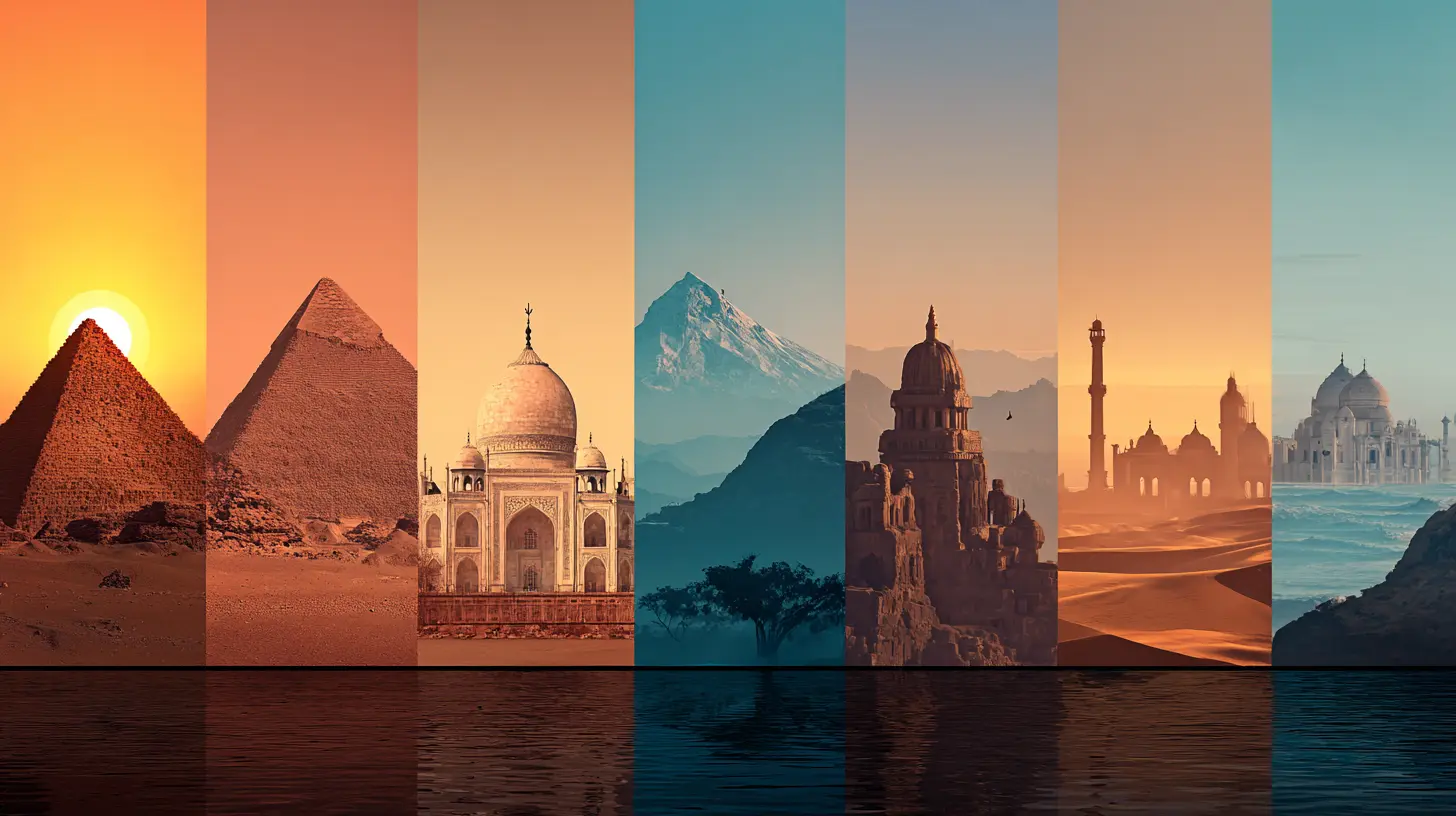
Machu Picchu: The Cloud City That’s Actually a Crowd City
Machu Picchu. The Lost City of the Incas. A mystical mountaintop wonder that inspires poets, photographers, and people who’ve never hiked a day in their lives. In 2026, it’s still stunning—but it’s also a logistical nightmare wrapped in llama-shaped wool.To get there, you’ll either take the train from Cusco (which is lovely, if you ignore the prices) or hike the Inca Trail (which is lovely, if you ignore the blisters). Either way, you’ll arrive at the Sun Gate just as the fog lifts, and for a moment, you’ll understand why people cry. The terraces are impossibly green, the stonework is impossibly precise, and the llamas are impossibly photogenic. It’s like a postcard come to life.
But then you’ll notice the crowds. In 2026, Machu Picchu has strict timed-entry tickets, which means you’ll be shuffled through like a theme park ride. You’ll have two hours to see everything, take photos, and absorb the energy—which is plenty, unless you want to sit and meditate. (Spoiler: you can’t. There’s a queue for that too.) You’ll see people doing yoga poses on ancient stones, and you’ll resist the urge to push them off. You’ll also see a sign that says “Do not climb the ruins,” which everyone ignores.
The best part? The llamas. They don’t care about your itinerary. They’ll walk past you, chew grass, and stare at you with the judgment of a thousand ancestors. You’ll envy their chill. But when you look out over the Urubamba River valley, with the clouds swirling around the peaks, you’ll realize why this place is iconic. It’s not just the ruins—it’s the feeling that you’re standing on the edge of something ancient and unknowable. Even if you’re standing next to someone eating a granola bar.
Meta truth: Machu Picchu in 2026 is 50% awe, 50% “please stop touching the walls.”
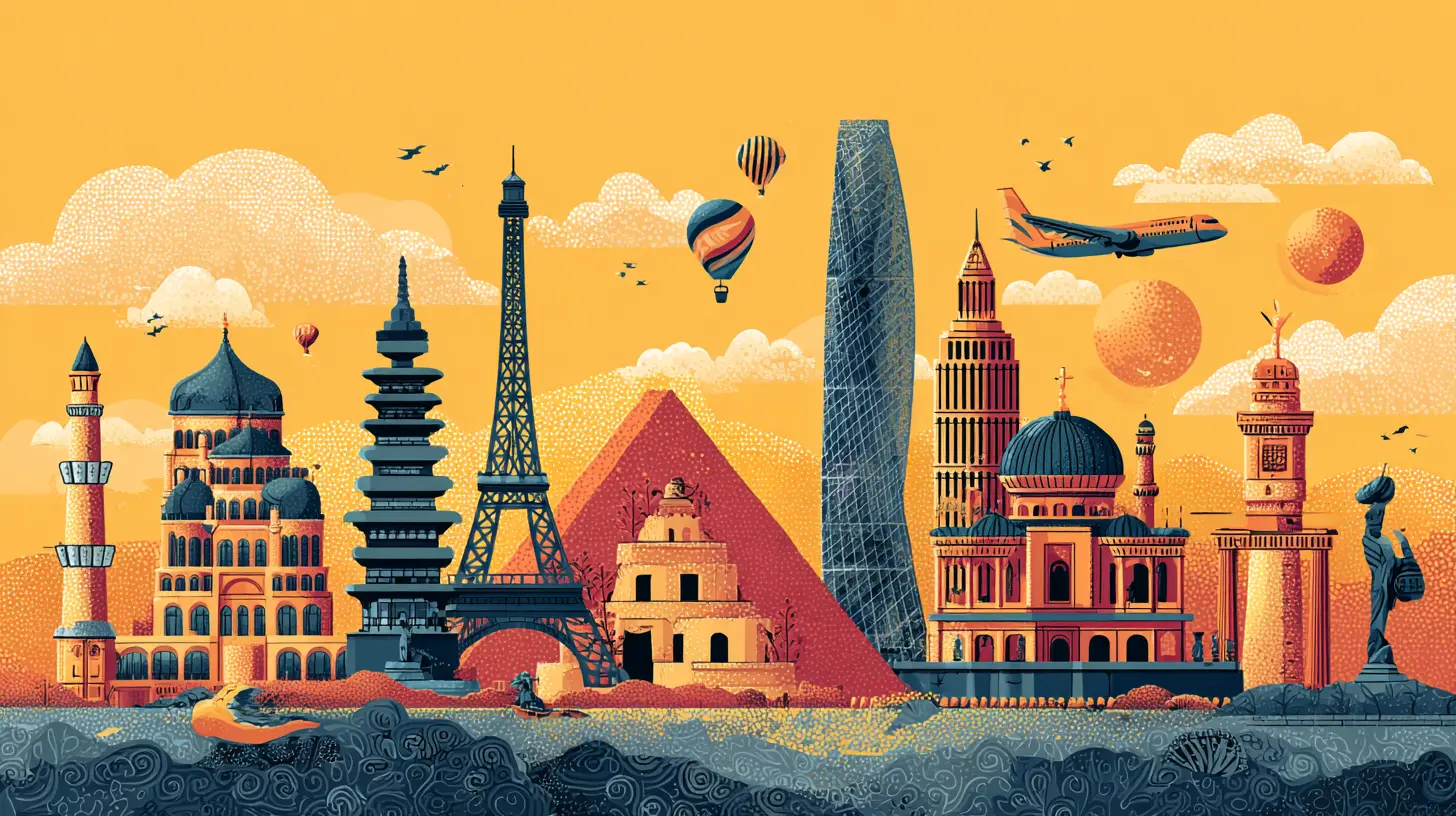
The Taj Mahal: A Monument to Love, and Also to Crowd Control
The Taj Mahal is arguably the most beautiful building ever made. It’s also arguably the most photographed, which means you’ll be competing with 30,000 other people for that perfect reflection shot in the pool. In 2026, the Taj Mahal is still white, still symmetrical, and still the ultimate symbol of undying love—unless you’re there in July, when it’s also a symbol of undying sweat.You’ll enter through the Great Gate, and your jaw will drop. The dome is so perfect it looks fake. The marble inlays are so intricate you’ll wonder how humans did this without power tools. You’ll walk toward the mausoleum, and you’ll feel like you’re in a dream—until you realize you’re also in a line. A very long line. To get inside the main chamber, where Shah Jahan and Mumtaz Mahal are buried, you’ll wait another 30 minutes. And when you finally get in, you’ll have about 15 seconds to look before the guard waves you on. Romantic, right?
The gardens are beautiful, but they’re also full of people taking photos of their feet, their hands, and their coffee cups. You’ll see a couple getting engaged, and you’ll feel both happy and slightly nauseated by the public display of affection. But then you’ll sit on a bench, watch the sun set behind the dome, and think, “Okay, I get it.” The Taj Mahal is a masterpiece of love, loss, and architecture—even if it’s now also a masterpiece of crowd management.
2026 reality check: The air pollution sometimes makes the Taj Mahal look yellow. Bring a filter. Not just for your phone—for your lungs.
The Pyramids of Giza: Ancient Wonders, Modern Hassles
The Pyramids of Giza are the only surviving wonder of the ancient world. They’re also the only place where you’ll be offered a camel ride, a horse carriage ride, a photo with a “Bedouin,” and a “genuine” papyrus scroll—all within the first five minutes. In 2026, the Pyramids are still massive, still mysterious, and still surrounded by a chaotic swirl of vendors, guides, and tourists who look like they’ve just survived a desert apocalypse.You’ll stand at the base of the Great Pyramid, and you’ll feel tiny. It’s made of 2.3 million blocks of stone, each weighing several tons, and no one knows exactly how they were stacked. You’ll try to wrap your head around the scale, but you’ll fail. Then you’ll try to take a photo without a camel in the frame, and you’ll fail at that too.
The Sphinx is there, looking stoic and slightly annoyed, like a cat that’s been woken from a nap. You’ll take the classic photo where you’re pretending to give it a kiss, and you’ll feel both clever and deeply unoriginal. But here’s the thing: even with all the noise, the heat, and the relentless sales pitches, the Pyramids are awe-inspiring. They’ve been standing for 4,500 years. They’ve outlived empires, wars, and fashion trends. They’ll outlive your Instagram account.
Sarcastic advice: Don’t buy the “authentic” papyrus. It’s made from banana leaves. But do buy the camel ride—it’s terrible, bumpy, and hilarious.
The Eiffel Tower: Overhyped? Yes. Worth It? Also Yes.
The Eiffel Tower is the most visited paid monument in the world. In 2026, it’s still a giant metal lattice that Parisians once hated, and tourists still love. You’ll queue for the elevator (or brave the stairs, you masochist), and you’ll be rewarded with a view that’s both breathtaking and full of other tourists taking the same view.At night, the tower sparkles with lights every hour. It’s magical. It’s also surrounded by vendors selling cheap keychains and guys trying to sell you a “romantic” dinner cruise. You’ll eat a crepe, drink a coffee, and wonder if you’re having a cliché or a life experience. The answer is both.
2026 twist: The Eiffel Tower now has a glass floor on the first level. You’ll step on it, feel your stomach drop, and immediately take a photo of your feet. Because of course you will.
Angkor Wat: Temples, Trees, and Tourist Traffic Jams
Angkor Wat in Cambodia is the largest religious monument in the world. It’s also, in 2026, one of the most Instagrammed. You’ll get up at 4 AM to watch the sunrise over the temple, along with 5,000 other people. You’ll stand in a pond, holding your phone above your head, and you’ll get a photo that looks exactly like everyone else’s.But then you’ll explore the temple complex—the carved walls, the towering spires, the trees that have grown through the stones at Ta Prohm (yes, the Tomb Raider temple). You’ll feel like an explorer, even though you’re following a marked path. You’ll see monkeys stealing snacks, and you’ll hear the buzz of drones. It’s chaotic, hot, and crowded. But it’s also one of the most beautiful places on Earth.
Playful truth: Angkor Wat is where you go to feel small, sweaty, and spiritually confused. In the best way.
The Statue of Liberty: Lady Liberty, Meet Your Selfie Stick
New York’s Statue of Liberty is a symbol of freedom, hope, and really long ferry lines. In 2026, you’ll take a boat from Battery Park, pass Ellis Island, and arrive at Liberty Island. You’ll see her up close—the green patina, the torch, the crown—and you’ll feel a surge of patriotic pride, even if you’re not American.But then you’ll try to get inside the pedestal. Or the crown. And you’ll discover that tickets sell out months in advance. So you’ll stand at the base, take a photo, and pretend that’s enough. It is. Because the real magic is looking back at the Manhattan skyline, feeling the wind on your face, and thinking, “I’m here. This is happening.”
2026 reality: The line for the bathroom is longer than the line for the ferry. Plan accordingly.
The Parthenon: Ancient Greece, Modern Problems
Athens’ Parthenon is a temple to Athena, built in 447 BC. It’s also a temple to scaffolding, because it’s been under restoration for decades. In 2026, the Parthenon is still on the Acropolis, still surrounded by cranes, and still absolutely stunning.You’ll climb the hill, pass the Odeon of Herodes Atticus, and emerge onto the plateau. The Parthenon is white, worn, and missing chunks—but it’s also perfect. You’ll see the Caryatids at the Erechtheion, and you’ll wonder how they’ve held up that roof for 2,500 years. You’ll take a photo, and you’ll feel like you’ve touched history.
But you’ll also feel the heat. And the crowds. And the guy selling selfie sticks for €5. You’ll buy one, because you forgot yours. It’s a cycle.
Conclusion: Why Bother?
So why explore these iconic cultural landmarks in 2026? Because they’re iconic. Because they’ve survived wars, weather, and tourists. Because standing in front of the Taj Mahal or the Pyramids or the Colosseum makes you feel connected to something bigger than yourself—even if that something is currently being photobombed by a guy in cargo shorts.Yes, the crowds are insane. Yes, the prices are ridiculous. Yes, you’ll spend half your trip in queues. But you’ll also have moments—a quiet sunrise, a sudden breeze, a shared laugh with a stranger—that make it all worth it. So pack your bags, charge your phone, and prepare for the chaos. The world’s most iconic landmarks are waiting. And they’re just as sarcastic as you are.
all images in this post were generated using AI tools
Category:
Cultural LandmarksAuthor:

Winona Newman
Discussion
rate this article
1 comments
Nicole Wyatt
Unearthing the stories behind each landmark deepens the travel experience. In 2026, let's embrace not just the sights, but the rich histories that shape them.
May 7, 2026 at 2:55 PM