Exploring Europe by Rail: A Grand Adventure in 2027
12 May 2026
Imagine this: you are sitting by a window, a cup of coffee warming your hands, and the landscape outside shifts from rolling vineyards to snow-capped peaks in a matter of hours. No traffic jams, no airport security lines, no lost luggage. Just you, the rhythm of the tracks, and the promise of a new city waiting at the next station. That is the magic of exploring Europe by rail, and in 2027, it is set to be the grand adventure of a lifetime.
I have been obsessed with train travel for years, and if you ask me, there is no better way to soak in the continent's soul. You do not just see Europe; you feel it through the changing scenery, the clatter of wheels, and the shared smiles with strangers in a dining car. In 2027, with new high-speed lines, upgraded sleeper trains, and a push for sustainable tourism, the rails are calling louder than ever. So, let us dive into why this is your year to jump onboard.
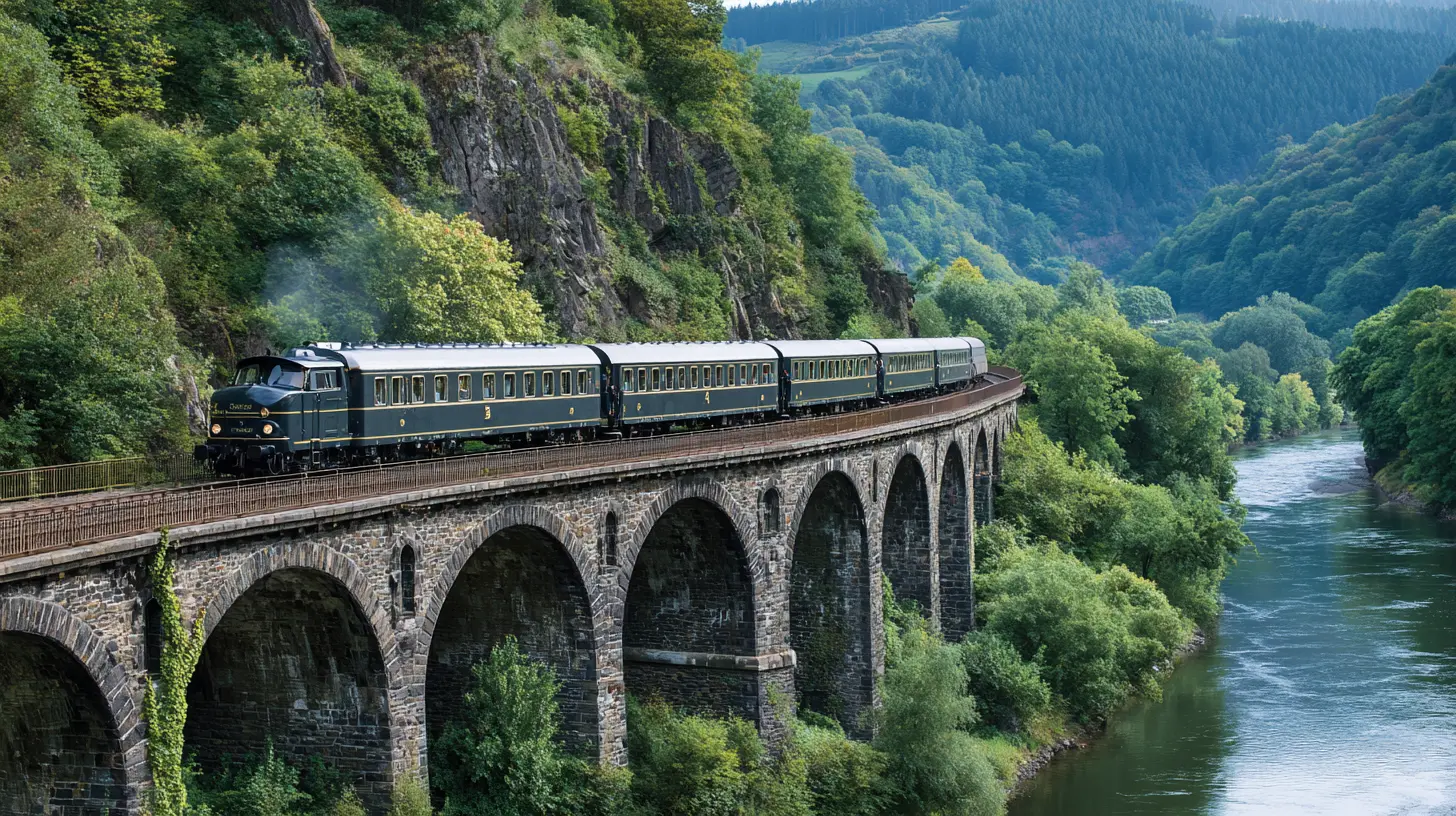
Why 2027 Is the Golden Year for European Rail Travel
You might be wondering, "Why 2027 specifically? What makes it different from any other year?" Well, a few things are aligning like stars in a clear night sky. First, Europe is doubling down on its green transport goals. Countries are investing heavily in rail infrastructure, meaning shorter travel times, more frequent departures, and better connections between smaller towns.Second, the post-pandemic travel boom has settled into a more thoughtful rhythm. People are craving experiences over checklists, and trains deliver that in spades. You are not just rushing from landmark to landmark; you are gliding through the heart of the continent, watching daily life unfold outside your window. In 2027, the European rail network is expected to be more integrated than ever, with seamless ticketing across borders. Think of it as a giant, interconnected web where your pass is the key to unlocking dozens of countries.
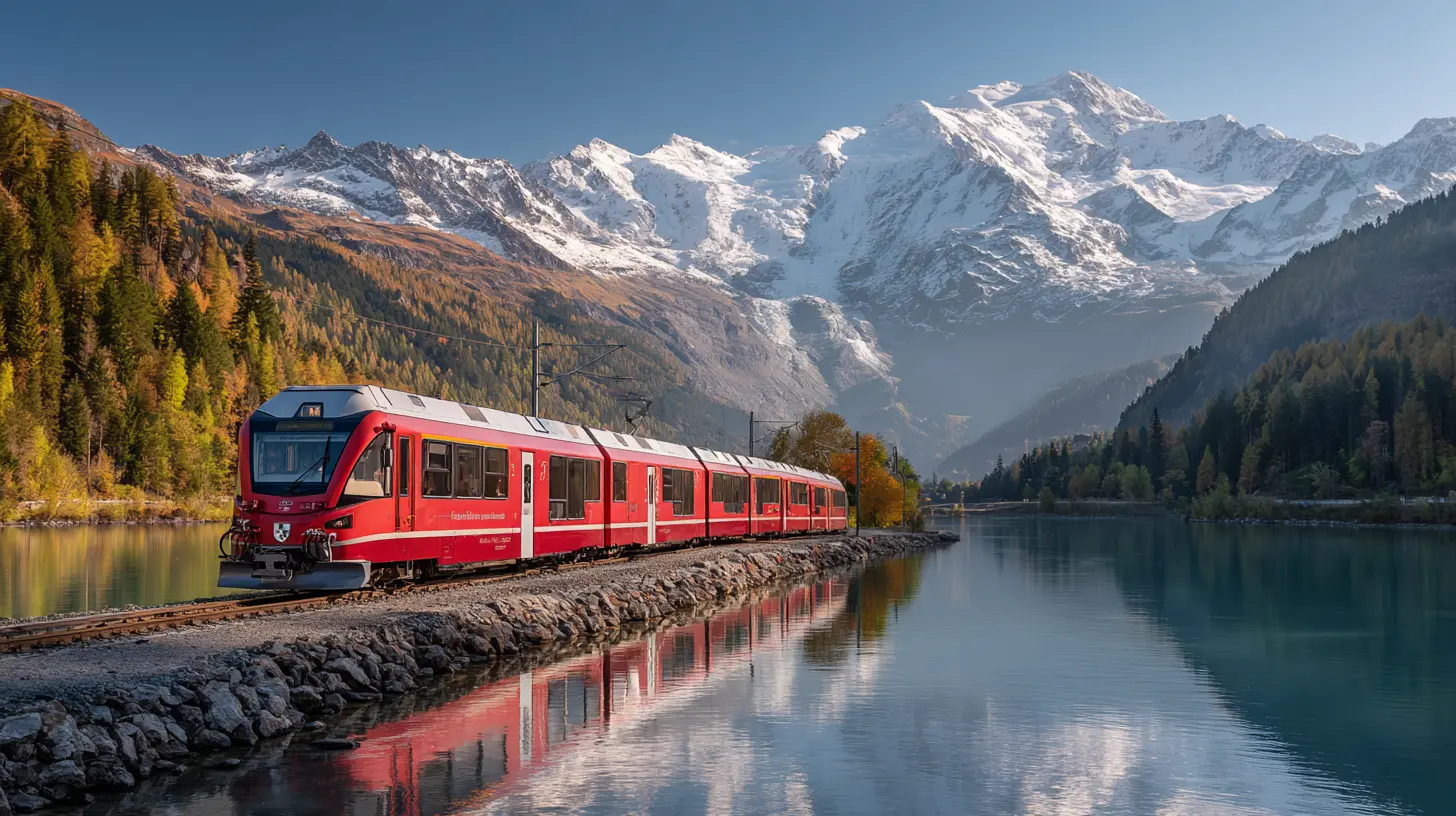
The New Kids on the Track: High-Speed Marvels
Let us talk about speed. Not the kind that leaves you breathless, but the kind that makes you say, "Wait, we are already there?" By 2027, several new high-speed routes are coming online. France is extending its TGV network into more rural areas, making places like the Dordogne or the Loire Valley a quick hop from Paris. Italy's Frecciarossa trains are already legendary, but new lines are slicing travel times between Rome and Venice, so you can have a morning espresso in the Eternal City and an afternoon gondola ride in the Floating City.Germany is also stepping up. The ICE trains are getting upgrades, and a new route connecting Berlin to Warsaw will zip you across the border in under four hours. That is faster than flying if you factor in airport hassle. And do not get me started on Spain's AVE trains. They are already a marvel, but by 2027, you will be able to go from Madrid to Lisbon in record time, thanks to a long-awaited cross-border project. It is like the continent is finally speaking the same language of speed.
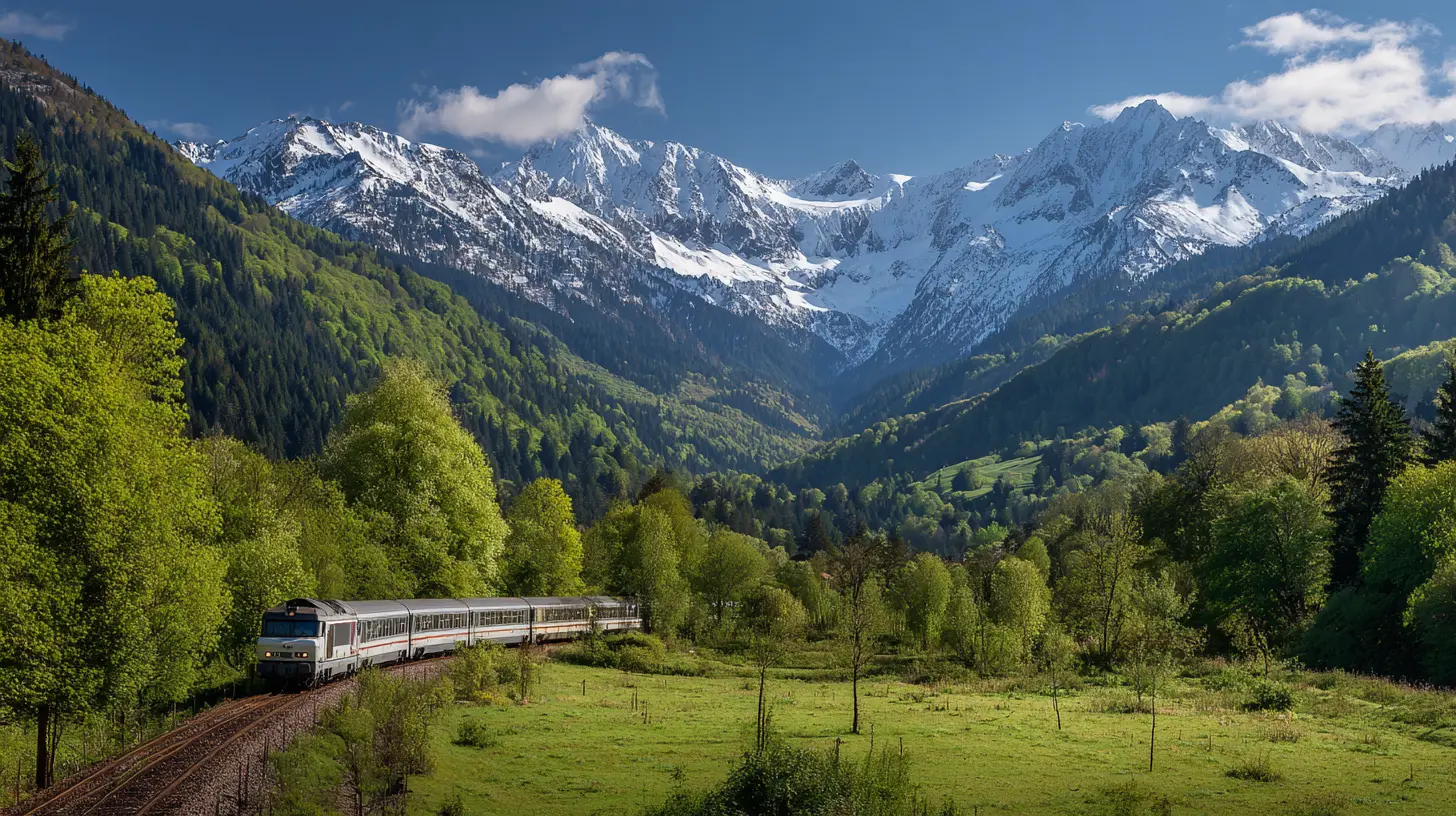
Night Trains: The Return of the Romantic Sleeper
I have a soft spot for night trains. There is something deeply romantic about falling asleep in one country and waking up in another. For a while, night trains were fading, but in 2027, they are making a roaring comeback. Companies like Nightjet and European Sleeper are reviving classic routes with modern comforts.Imagine boarding in Paris at 9 PM, settling into a cozy compartment with a book, and waking up to the sun rising over the Alps as you pull into Vienna. Or taking the sleeper from Stockholm to Berlin, crossing the Baltic Sea on a ferry-train hybrid. These trains are not just about getting from A to B; they are about saving on a hotel night, reducing your carbon footprint, and adding a layer of adventure that planes simply cannot offer. Plus, there is nothing like the camaraderie of sharing a dining car with fellow travelers at midnight, swapping stories over a glass of wine.
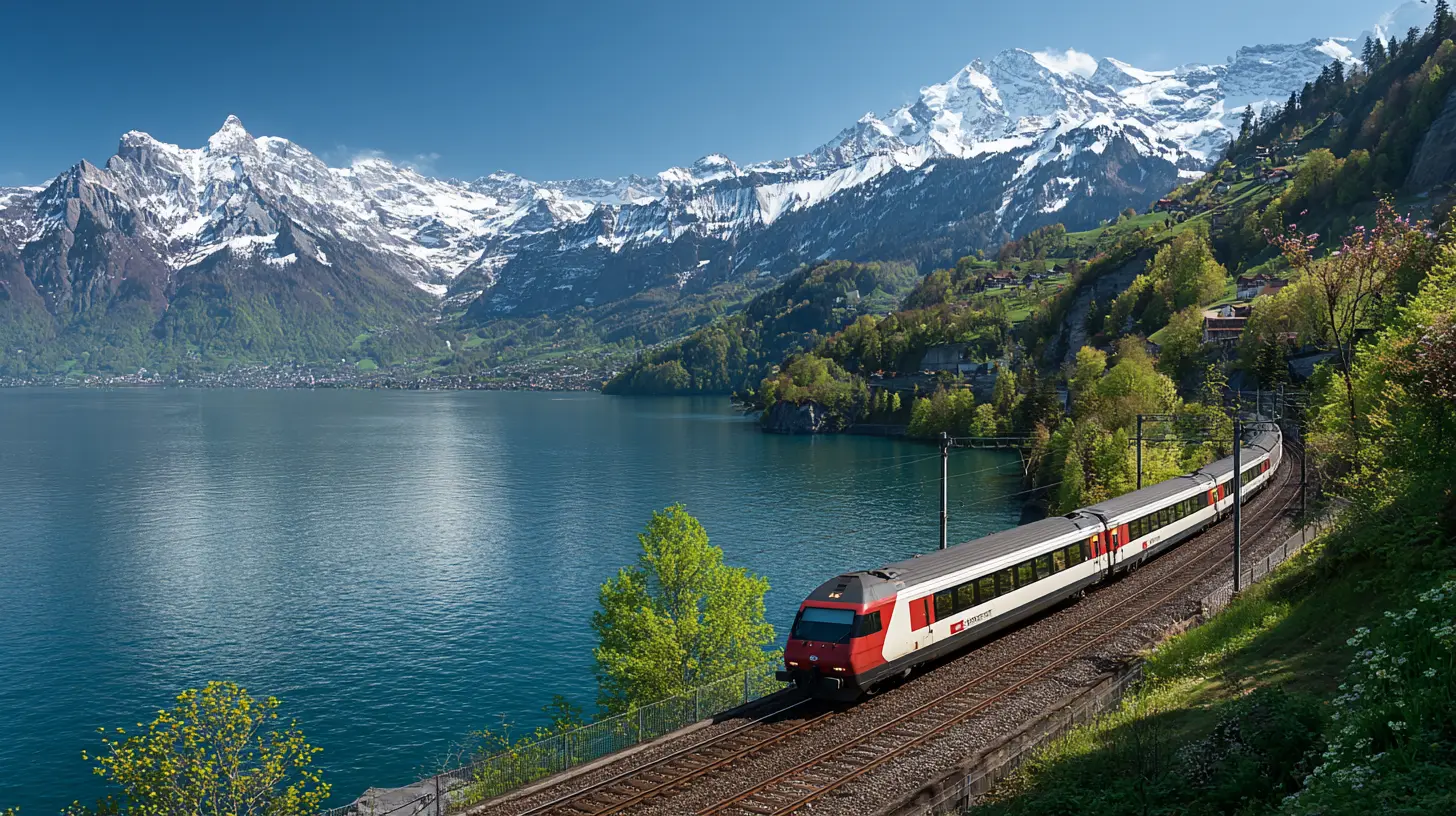
The Eurail Pass in 2027: Your Ticket to Freedom
If you are planning a multi-country trip, the Eurail pass is your best friend. In 2027, the pass is more flexible than ever. You can choose a continuous pass for unlimited travel over a set number of days, or a flexi pass that lets you pick and choose your travel days within a month. The key is to plan ahead, but not too rigidly.Think of the pass as a blank canvas. You can paint your journey as you go. Maybe you start in Amsterdam, spend a few days exploring the canals, then hop a train to Brussels for waffles and beer. From there, you might head to Cologne for the cathedral, then down the Rhine to Frankfurt. The pass covers most national rail operators, and in 2027, it even includes some private lines. Just remember to reserve seats for high-speed and night trains, especially during peak season. A little planning goes a long way in avoiding the stress of a sold-out carriage.
Packing Smart for the Rails
Let me give you some hard-won advice: pack light. I know, I know, you want to bring that extra pair of shoes and the big camera. But trust me, hauling a massive suitcase up narrow train steps is a nightmare. Aim for a carry-on sized rolling bag and a daypack. In 2027, most trains have decent luggage racks, but space is still limited.What should you pack? Layers are your friend. European weather can be fickle, especially in spring and fall. A good jacket, comfortable walking shoes, and a scarf that doubles as a blanket on chilly trains. Do not forget a reusable water bottle; many stations have refill stations now. And bring a power bank. While newer trains have USB ports, older ones might not, and you do not want your phone dying just as you need to check your next connection.
The Art of the Day Trip
One of the best things about rail travel is the ability to take spontaneous day trips. You are based in a major city, but within an hour or two, you can be in a completely different world. In 2027, this is easier than ever thanks to regional rail networks.From Paris, hop a train to Chartres to see the stunning stained glass cathedral. From Rome, take a short ride to Orvieto, a hilltop town that feels frozen in time. From Berlin, head to Potsdam for the Sanssouci Palace and its sprawling gardens. These mini-adventures break up the pace of a long trip and give you a taste of local life away from the tourist crowds. Plus, they are budget-friendly. You get the thrill of discovery without the cost of a new hotel.
Eating and Drinking on the Rails
Gone are the days of sad, overpriced sandwiches. In 2027, train dining is getting a serious upgrade. Many high-speed trains now have onboard bistros serving regional specialties. On a French TGV, you can grab a croissant and a cafe au lait. On an Italian Frecciarossa, expect fresh pasta and a glass of Chianti. The German ICE trains have a decent selection of beers and pretzels.But here is a pro tip: pack your own picnic. Before boarding, stop at a local market and pick up some cheese, bread, fruit, and maybe a bottle of wine. There is something magical about enjoying a simple meal while the landscape rolls by. It feels like a private dining experience with the best view in the house. Just be mindful of your fellow passengers and keep the mess to a minimum.
Navigating the Stations
European train stations are often architectural wonders in their own right. Think of Paris's Gare de Lyon with its grand clock, or Milan's Central Station with its marble halls. But they can also be confusing mazes. In 2027, most major stations have digital boards in multiple languages, and apps like Rail Planner or Trainline make it easy to find your platform.Give yourself at least 15 to 20 minutes before departure to find your track. In big stations, the platform might not be announced until 10 minutes before the train leaves. Do not panic. That is normal. And if you are worried about missing your stop, set an alarm on your phone. Trains in Europe are punctual, but they do not always announce every stop clearly, especially on regional lines.
Budgeting for Your Rail Adventure
Let's talk money. Train travel can be affordable or expensive, depending on how you plan. The Eurail pass is a great deal if you are covering a lot of ground, but for shorter trips, point-to-point tickets might be cheaper. In 2027, many countries offer discount cards. For example, Germany's BahnCard gives you 25% off all tickets, and France's Carte Avantage is a steal for under-27s or seniors.Book early for the best prices on high-speed trains. Last-minute tickets can be pricey, but night trains often have promotional fares if you book a few months ahead. And do not forget about regional trains. They are slower but much cheaper, and they take you through smaller towns that the express trains skip. If you have the time, the slower route is often the richer experience.
Challenges You Might Face (And How to Handle Them)
No adventure is without its hiccups, and rail travel is no exception. Strikes happen. In 2027, labor disputes still pop up, especially in France and Italy. Check the news before you travel and have a backup plan. Delays are also a fact of life, though less common on high-speed lines. If you miss a connection, most stations have a service desk that can rebook you for free.Lost luggage is rare, but it happens. Keep your valuables with you at all times, and label your bags clearly. And then there is the eternal challenge of figuring out which train is yours when the platform changes at the last minute. Stay calm, watch the digital boards, and ask a station employee if you are unsure. They are usually helpful, even with a language barrier.
The People You Meet
One of the unsung joys of train travel is the people. In a plane, you are stuck in your seat, headphones on, isolated. On a train, there is movement. You can walk to the dining car, strike up a conversation with a student from Barcelona, or share a table with a retired couple from Denmark. In 2027, with more people choosing sustainable travel, the community on the rails is vibrant and diverse.I once spent three hours talking to a French winemaker on a train from Lyon to Avignon. He taught me about terroir, gave me a business card, and invited me to his vineyard. That kind of serendipity does not happen in an airport. It happens when you slow down, open yourself up, and let the journey unfold.
A Sample Itinerary for 2027
If you are feeling overwhelmed, here is a loose itinerary to get you started. Fly into London, spend a couple of days, then take the Eurostar to Paris. From Paris, hop a TGV to Zurich, then switch to a scenic train through the Swiss Alps to Milan. After soaking up Italian food and art, take a high-speed train to Florence, then to Rome. From Rome, catch a night train to Vienna, then a regional train to Prague. End in Berlin, with its vibrant history and nightlife.This loop takes about two to three weeks, depending on how long you linger. It covers five countries, a mix of big cities and stunning landscapes, and gives you a taste of different cultures without feeling rushed. You will be tired, yes, but in the best possible way.
Why You Should Do It Now
Look, I get it. Planning a big trip can be daunting. There is the cost, the time off work, the logistics. But here is the thing: life is short, and the world is wide. In 2027, the European rail network is at its peak. It is efficient, comfortable, and increasingly affordable. More importantly, it is a way to travel that honors the planet and connects you to the places you visit.You will come home with more than photos. You will have stories. The time you helped a lost Italian grandmother find her seat. The sunset you watched from a train window in the Swiss Alps. The stranger who shared his lunch with you because you forgot to buy food. That is the real treasure. So, go ahead. Book that ticket. Buy that pass. Let the rails carry you into a grand adventure. You will not regret it.
all images in this post were generated using AI tools
Category:
Continental TravelAuthor:

Winona Newman
Discussion
rate this article
1 comments
Viva Conrad
The article captures the essence of train travel across Europe, highlighting its efficiency and scenic beauty. It effectively showcases how rail journeys can enhance cultural experiences, making 2027 an exciting year for exploration.
June 14, 2026 at 3:04 AM