Exploring Ancient Burial Traditions Across Different Cultures
4 June 2026
Death is a universal human experience, but the way different cultures handle it varies widely. Ancient burial traditions provide a fascinating glimpse into how people honored their dead, what they believed about the afterlife, and how these practices shaped their societies. Some cultures built grand tombs, while others relied on simple ceremonies. Some believed in reincarnation, while others prepared their loved ones for an eternal afterlife.
Let’s take a journey through time and space to uncover some of the most intriguing burial customs from different parts of the world.
1. The Egyptian Pyramids – Tombs Fit for Kings
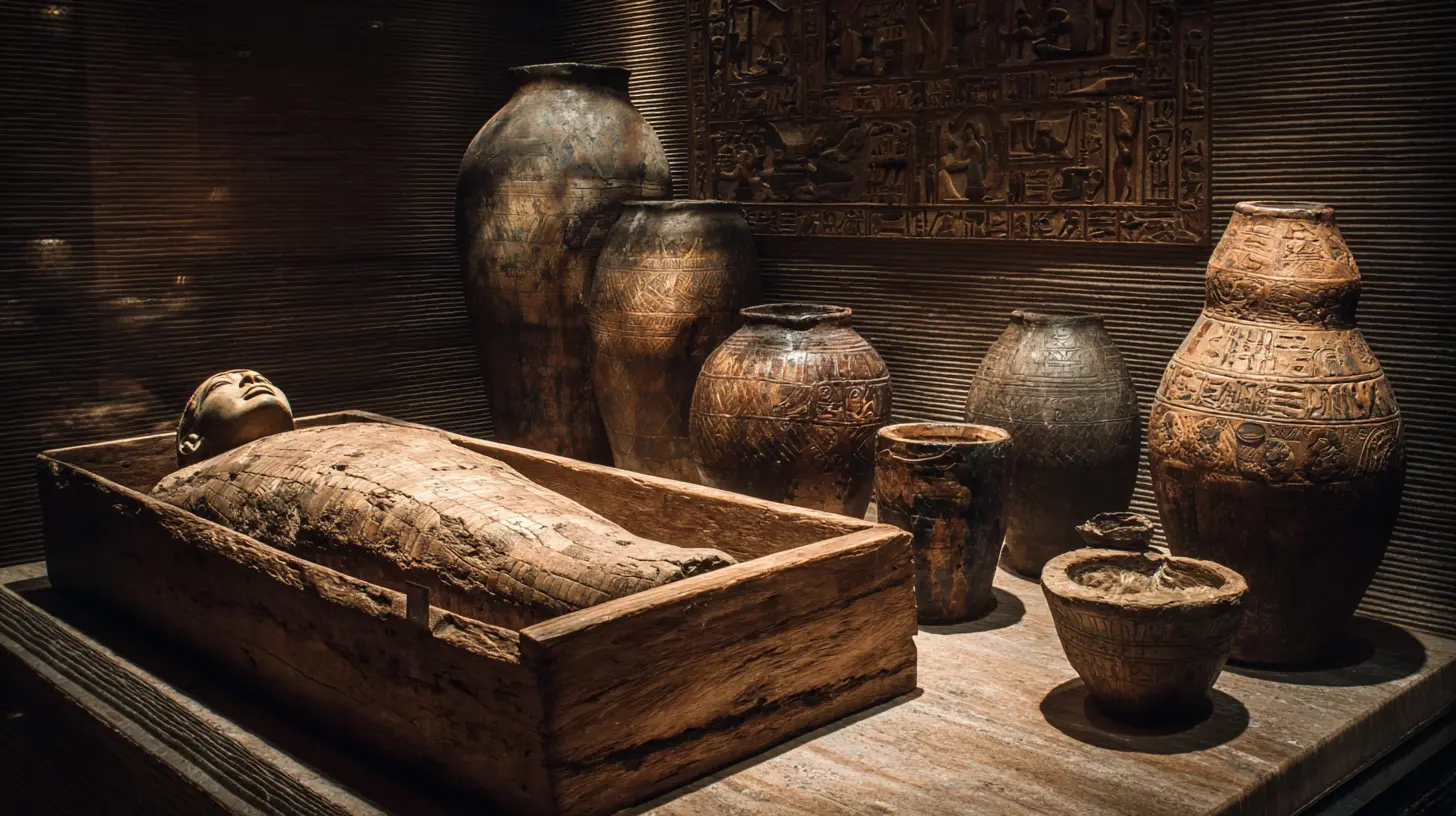
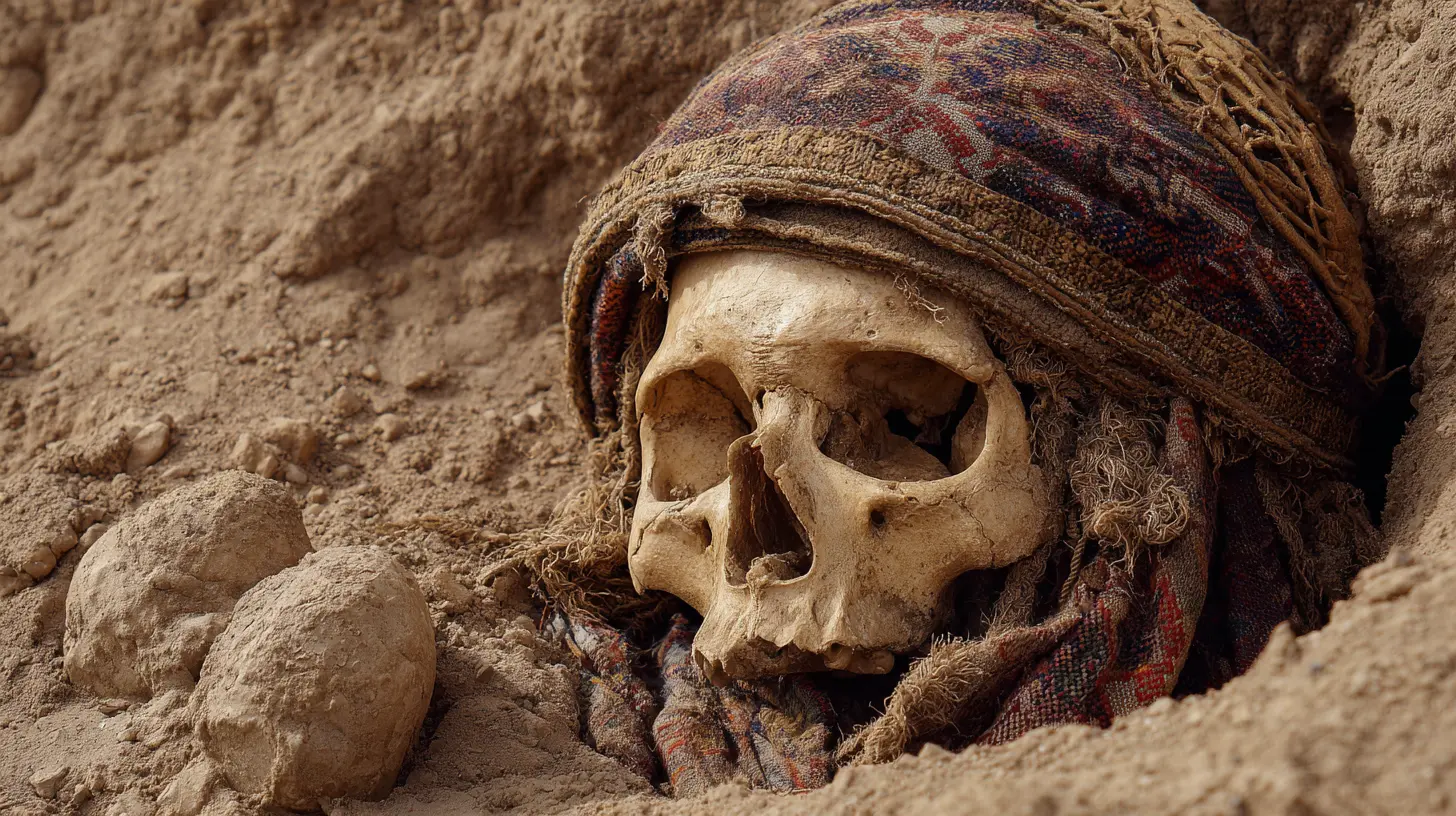
When we think of ancient burials, Egypt often comes to mind first. Why? Because the Egyptians took burial rituals to a whole new level. The massive pyramids were not just impressive architectural feats—they were designed to ensure the safe passage of pharaohs into the afterlife.Mummification: Preserving the Dead for Eternity
The Egyptians believed that the body had to be preserved to ensure safe travel to the afterlife. This led to the development of mummification, a process that involved:- Removing internal organs (except the heart, which was believed to be the seat of intelligence and emotion).
- Drying the body with natron (a type of salt).
- Wrapping it in linen with protective amulets.
Tombs were filled with treasures, food, and even servants (sometimes real ones, but often statues) to assist the deceased in the next world.
2. The Terracotta Army – China’s Immortal Guardians
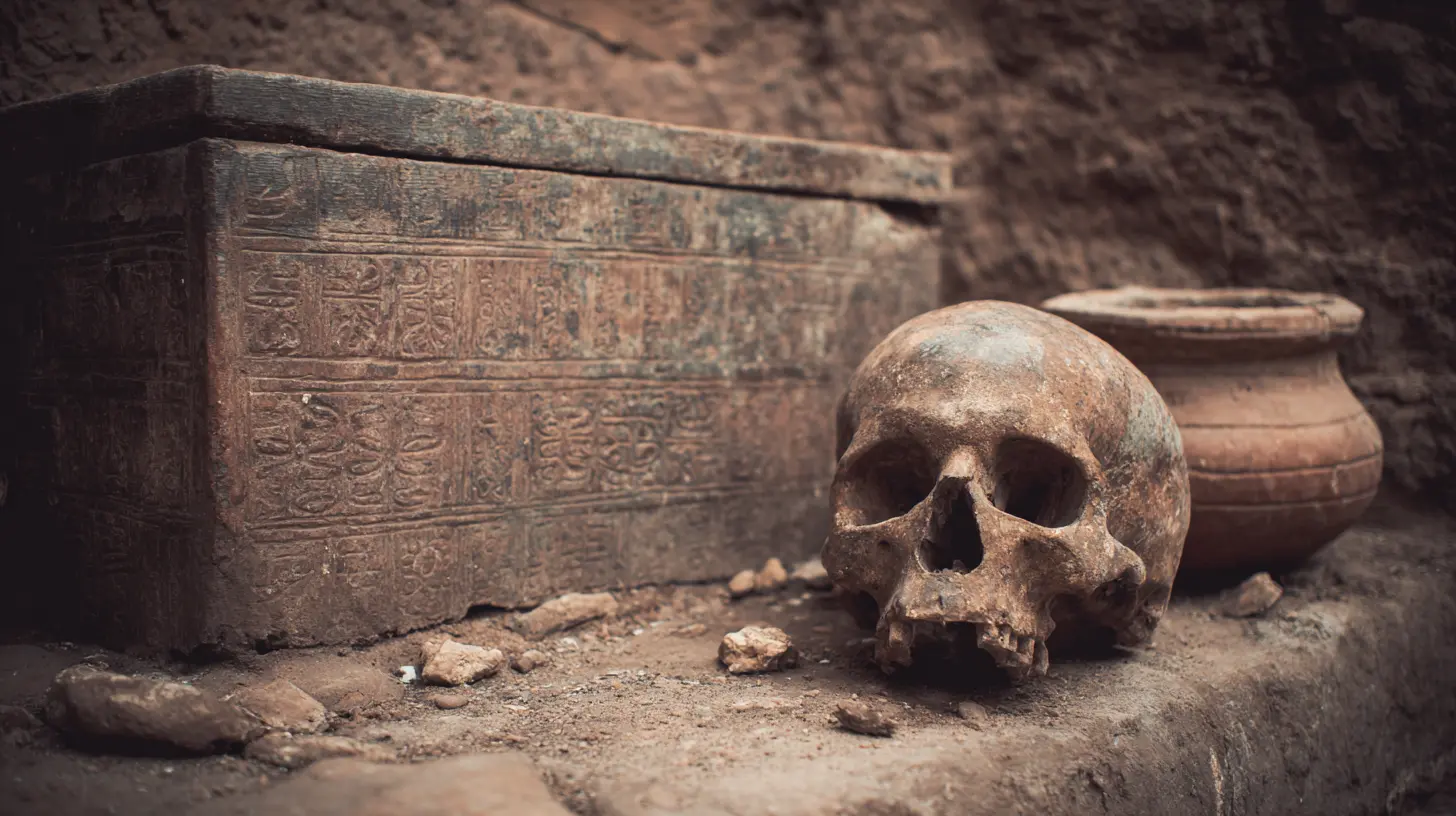
In China, burial traditions were just as grand, especially for royalty. The most famous example? The Terracotta Army, buried with Emperor Qin Shi Huang around 210 BCE.A Full Army for the Afterlife
Rather than relying on human sacrifices, the first emperor of China had an army of over 8,000 life-sized terracotta soldiers, horses, and chariots built to protect him in the afterlife. Each soldier had a unique face and detailed armor, showcasing the incredible craftsmanship of the time.This burial site reflects the emperor’s belief in an afterlife where power and security were just as important as in the real world.
3. Viking Ship Burials – A Warrior’s Final Voyage
The Vikings had a unique way of sending off their dead—especially their elite warriors and chieftains. Instead of simply burying them in the ground, they often placed them in ships, either to be set adrift at sea or buried on land.Symbolism of the Viking Ship
In Norse mythology, the journey to the afterlife was seen as a voyage across the sea. By placing the dead in a ship, they were symbolically preparing them for this journey. These ships were often laden with weapons, jewelry, and even sacrificed animals or enslaved people to accompany the deceased.Some Viking burials even included funeral pyres where ships were set on fire before being sent into the sea, creating a dramatic and awe-inspiring farewell.
4. The Tower of Silence – A Sky Burial Tradition in Zoroastrianism
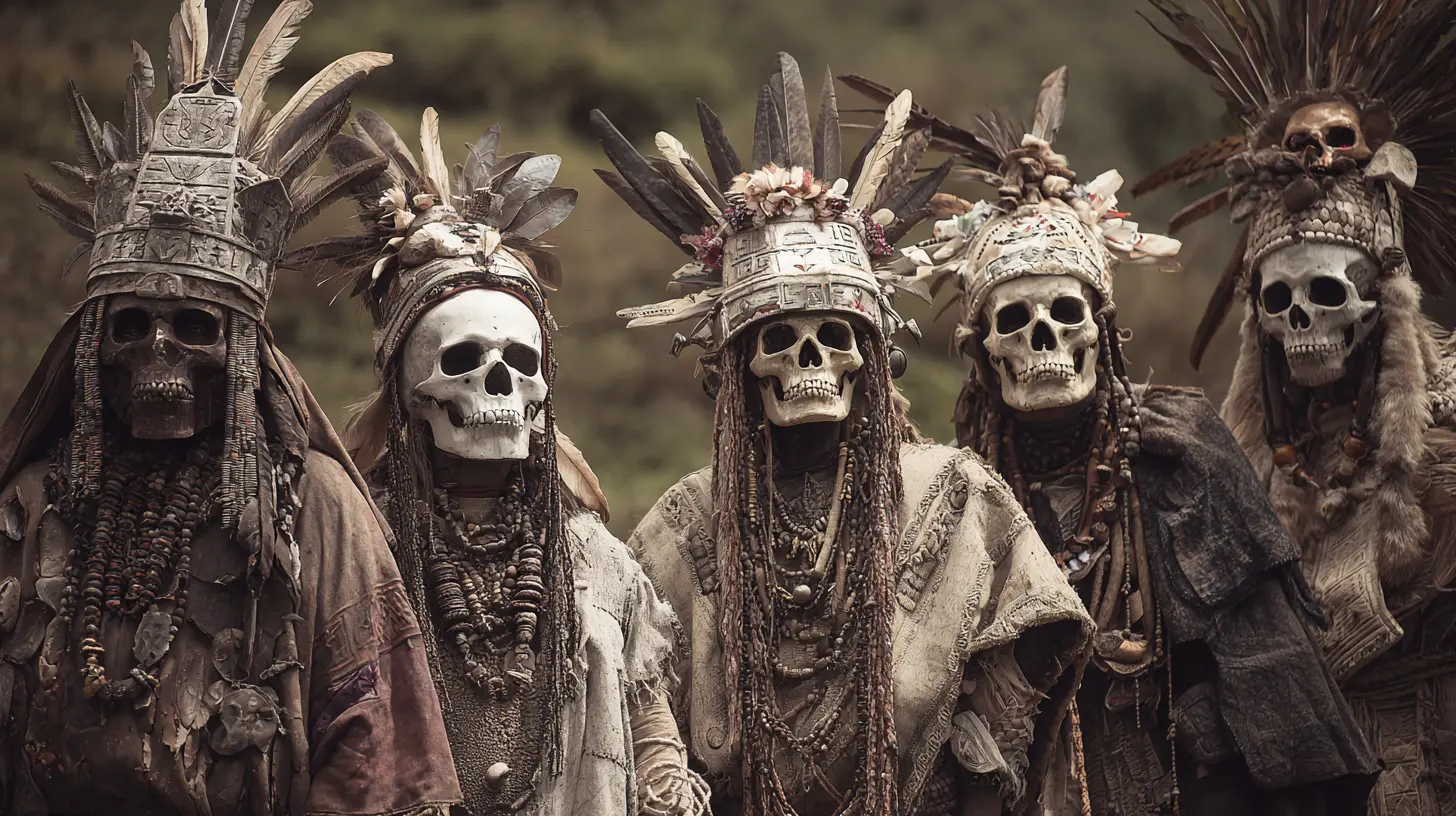
Not all ancient cultures buried their dead underground. The Zoroastrians of Persia (modern-day Iran) practiced a ritual known as “sky burial” on structures called Towers of Silence.Returning to Nature
In Zoroastrian beliefs, the elements (earth, fire, water, air) were sacred and should not be contaminated by the dead. Instead of burial or cremation, bodies were placed on top of circular towers to be consumed by vultures.This practice ensured that the body was returned to nature in an efficient and spiritually meaningful way. Today, sky burials are still practiced in some regions of Tibet and India.
5. The Mayan Death Rituals – A Journey Through the Underworld
The ancient Maya had elaborate beliefs surrounding death and the afterlife. They believed in Xibalba, a complex underworld ruled by gods who tested souls before they could move on.Burial Caves and Jade Death Masks
Elite Mayan rulers were often buried in caves or pyramidal tombs, accompanied by offerings of jade, pottery, and food. Some even wore jade masks, believed to help guide the soul through the underworld.Sacrifices, both animal and human, were common, as they believed these offerings would help the deceased in the afterlife.
6. The Ancient Greeks – Preparing for the River Styx
The Greeks had a strong belief in the afterlife and the journey a soul had to undertake after death. They believed that the soul traveled to the underworld, ruled by Hades, but first had to cross the River Styx.The Coin for Charon
To pay the ferryman, Charon, Greeks would place a coin in the mouth or on the eyes of the deceased. Without this coin, the soul was doomed to wander the shores of the Styx for eternity.Tombs were often adorned with carvings depicting the deceased’s life, and families regularly visited with offerings to honor their ancestors.
7. Prehistoric Megalithic Tombs – Europe’s Ancient Graves
Long before organized religion, prehistoric Europeans built megalithic tombs to honor their dead. Sites like Newgrange in Ireland and Stonehenge in England are believed to have had spiritual significance related to death and rebirth.Passage Tombs and Solar Alignments
These tombs weren’t just burial sites; they were carefully aligned with celestial events. Newgrange, for example, is designed so that sunlight illuminates the inner chamber during the winter solstice, symbolizing renewal and the cycle of life and death.
8. Tibetan Sky Burials – Returning to the Heavens
Similar to the Zoroastrian practice, Tibetan sky burials involve leaving bodies exposed to the elements and scavengers. The purpose? To help the soul transition while giving nourishment to nature.A Sacred Ritual
Tibetan Buddhists believe that the body is just a vessel, and after death, it should be returned to nature. Monks perform sacred rites before allowing vultures to consume the remains, symbolizing the impermanence of life.9. The Capuchin Catacombs – A Time Capsule of the Dead
In Sicily, the Capuchin monks took a different approach to preserving their dead. Instead of burial, they mummified and displayed bodies in catacombs beneath their monastery.Faces Frozen in Time
These incredible mummies, dressed in their finest clothes, look eerily lifelike. Some still have skin and hair intact! The catacombs served as a way for the living to stay connected with the dead, often visiting them regularly.
Final Thoughts
Burial traditions around the world reflect deep cultural beliefs and attitudes toward death, the afterlife, and the legacy of those who have passed. Whether it was the grand pyramids of Egypt, the ship burials of the Vikings, or the sky burials of Tibet, each tradition tells a unique story about how societies honored their dead.These ancient practices may seem distant from our modern customs, but they remind us of something fundamental—our desire to be remembered and to ensure a peaceful journey beyond this life.
Which of these burial traditions fascinates you the most? Let us know in the comments!
all images in this post were generated using AI tools
Category:
Cultural ExperiencesAuthor:

Winona Newman
Discussion
rate this article
1 comments
Priscilla McDowney
This article provides a fascinating glimpse into the diverse burial traditions around the world. By highlighting cultural practices, it emphasizes the deep connections between death and community. Understanding these rituals not only enriches the travel experience but also fosters respect for differing beliefs and heritage.
June 14, 2026 at 3:04 AM