Eco-Friendly Volunteering: Helping Communities and the Environment
5 March 2026
Introduction
Volunteering is a powerful way to give back, but have you ever considered taking it a step further by making your contributions eco-friendly? Eco-friendly volunteering combines community service with environmental conservation, ensuring that your efforts leave a lasting, positive impact on both people and the planet.
From cleaning up beaches to helping local farmers with sustainable agriculture, eco-volunteering offers countless ways to get involved while promoting environmental responsibility. Whether you're passionate about wildlife conservation, sustainable tourism, or reducing waste, there's an opportunity for you to make a difference.
In this guide, we’ll dive into the world of eco-friendly volunteering, why it matters, and how you can get involved. 
What Is Eco-Friendly Volunteering?
Eco-friendly volunteering, also known as green volunteering, revolves around activities that help communities while minimizing environmental harm. Instead of traditional volunteer work that may unintentionally contribute to pollution or waste, eco-volunteering focuses on sustainability, conservation, and education.It can involve anything from planting trees and restoring ecosystems to supporting local businesses that prioritize sustainability. The goal is simple—helping communities thrive while respecting and protecting nature. 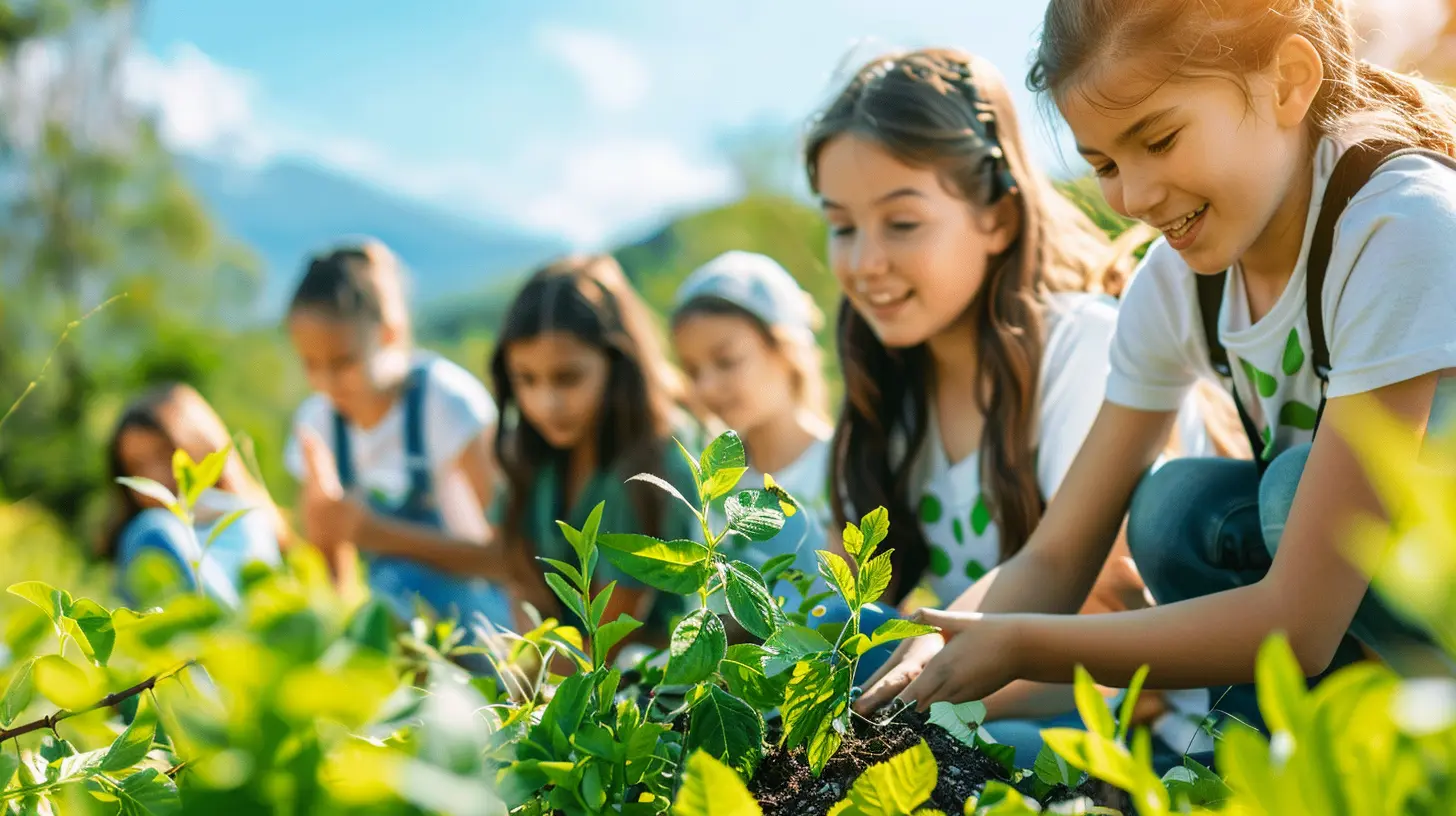
Why Is Eco-Friendly Volunteering Important?
The world is facing environmental challenges, from climate change to deforestation, pollution, and biodiversity loss. While governments and businesses have significant roles to play, individual actions matter just as much.Eco-friendly volunteering bridges the gap between community service and environmental responsibility. It allows you to support causes you care about while reducing your carbon footprint and promoting green practices.
Key Benefits of Eco-Volunteering:
- Protecting Natural Resources – By engaging in reforestation, wildlife conservation, and sustainable farming, volunteers help preserve ecosystems.- Strengthening Communities – Sustainable development projects empower local communities with knowledge and resources that improve their quality of life.
- Reducing Waste – Many eco-volunteer programs focus on recycling, upcycling, and waste reduction initiatives.
- Raising Awareness – Volunteers educate others about the importance of sustainability, inspiring long-term change.

Types of Eco-Friendly Volunteering
There are plenty of ways to get involved, depending on your interests, availability, and skillset. Here are some of the most impactful eco-volunteering opportunities:1. Wildlife Conservation
If you love animals, this is your chance to protect endangered species and restore habitats. Many organizations run programs that allow volunteers to assist in wildlife research, rescue operations, and rehabilitation efforts.- Caring for injured or orphaned animals in rescue shelters.
- Assisting conservationists in monitoring wildlife populations.
- Restoring habitats to support biodiversity.
2. Sustainable Agriculture & Organic Farming
Eco-volunteering isn’t just about protecting nature; it’s also about promoting sustainable food systems. Many farms and eco-communities welcome volunteers to help with farming practices that reduce environmental impact.- Working on organic farms that avoid harmful pesticides and fertilizers.
- Learning permaculture techniques that promote land regeneration.
- Supporting local farmers and communities with sustainable food production.
3. Beach Clean-ups and Ocean Conservation
Our oceans are drowning in plastic waste, and marine life is suffering. Beach clean-ups and marine conservation efforts play a crucial role in reducing pollution and protecting marine biodiversity.- Collecting plastic waste and debris from beaches.
- Assisting marine biologists in coral reef restoration projects.
- Educating communities on responsible waste disposal.
4. Reforestation and Tree Planting Initiatives
Deforestation is one of the leading causes of climate change. By participating in tree-planting programs, volunteers actively combat global warming while restoring forests and improving air quality.- Planting trees in areas affected by deforestation.
- Helping maintain urban green spaces.
- Supporting organizations that promote afforestation projects.
5. Eco-Tourism and Sustainable Travel Initiatives
Tourism can have a significant environmental impact, but eco-friendly travel initiatives seek to change that. By volunteering with sustainable tourism projects, you contribute to ethical travel practices that benefit local communities and nature.- Volunteering at eco-lodges and sustainable tourism businesses.
- Promoting responsible travel practices.
- Assisting with cultural preservation efforts in rural tourism destinations. 
How to Get Involved in Eco-Friendly Volunteering
Now that you know the different types of eco-volunteering opportunities, it's time to take action. Here's how you can start your journey as an eco-friendly volunteer:1. Find a Reputable Organization
Not all volunteer programs are created equal. Some claim to be eco-friendly but don't actually uphold sustainable practices. Do your research and verify the legitimacy of an organization before signing up.Look for NGOs and nonprofits that prioritize sustainability, ethical treatment of volunteers, and transparency in their projects.
2. Choose a Cause That Resonates with You
Passionate about marine conservation? Love working with animals? Care about sustainable agriculture? Choose an eco-volunteering opportunity that aligns with your interests and skills to ensure a fulfilling experience.3. Consider Local Options First
You don’t have to travel across the world to make a difference. Many eco-volunteer opportunities exist right in your backyard. Join local clean-up events, support community gardens, or volunteer at a nearby wildlife rescue center.4. Be Prepared to Adapt
Eco-volunteering often involves hands-on work and outdoor activities. Be ready to step out of your comfort zone, whether that means working in unpredictable weather, sleeping in eco-lodges, or getting your hands dirty in conservation projects.5. Spread Awareness
Beyond volunteering, you can have an even bigger impact by sharing your experiences. Encourage friends and family to get involved, post about your journey on social media, and raise awareness about the importance of sustainable volunteerism.Challenges in Eco-Friendly Volunteering
While incredibly rewarding, eco-friendly volunteering does come with some challenges. It’s important to be mindful of these to ensure your efforts are truly beneficial.1. Greenwashing in Volunteering
Some organizations market themselves as eco-friendly but fail to implement actual sustainable practices. Always research before committing to a program.2. Cultural & Ethical Considerations
Make sure your volunteer work aligns with the needs of the local community. Some projects unintentionally disrupt traditions or create dependency rather than long-term solutions.3. Financial Costs
Many eco-volunteering programs require participants to cover their own expenses, including travel and accommodation. Budget accordingly and consider fundraising if needed.4. Personal Sustainability
Volunteering should be a positive experience, not a burnout-inducing one. Take care of yourself, pace your efforts, and ensure that your volunteer work doesn't negatively impact your well-being.Conclusion
Eco-friendly volunteering is a fantastic way to make a tangible difference in both communities and the environment. Whether you're planting trees, saving marine life, or supporting sustainable agriculture, your efforts contribute to a healthier planet.The key is to choose reputable programs, embrace sustainability wholeheartedly, and inspire others to do the same. So, are you ready to roll up your sleeves and help build a greener future? The planet—and future generations—will thank you.
all images in this post were generated using AI tools
Category:
Volunteer TravelAuthor:

Winona Newman
Discussion
rate this article
2 comments
Amelia McClain
Great article! Eco-friendly volunteering not only benefits local communities but also fosters a deeper connection with nature. It's inspiring to see how small efforts can lead to significant change. Keep spreading the word about sustainable travel options!
March 7, 2026 at 3:30 AM
Winona Newman
Thank you for your kind words! I'm glad you found the article inspiring and agree on the importance of eco-friendly volunteering for communities and the environment. Let's continue to promote sustainable travel together!
Zinnia Howard
Eco-friendly volunteering transcends mere travel; it fosters meaningful connections with communities and nature, leaving a positive imprint on both our hearts and the planet.
March 6, 2026 at 4:32 PM