Discovering the Ancient Trade Routes Across Continents in 2026
8 May 2026
You ever wonder what the world looked like before GPS, before airplanes, before even a decent map? Imagine strapping a pack on your back, grabbing a compass, and walking for months just to trade a bag of spices for some silk. That was the reality of ancient trade routes. They weren't just paths for moving goods. They were the internet of their day. Ideas, religions, diseases, and cultures all hitched a ride along these dusty tracks. And in 2026, you can actually walk them again. Not as a merchant, but as a traveler. Let me take you on a journey across the continents, following the footsteps of traders who shaped our world.
The Silk Road: More Than Just Silk
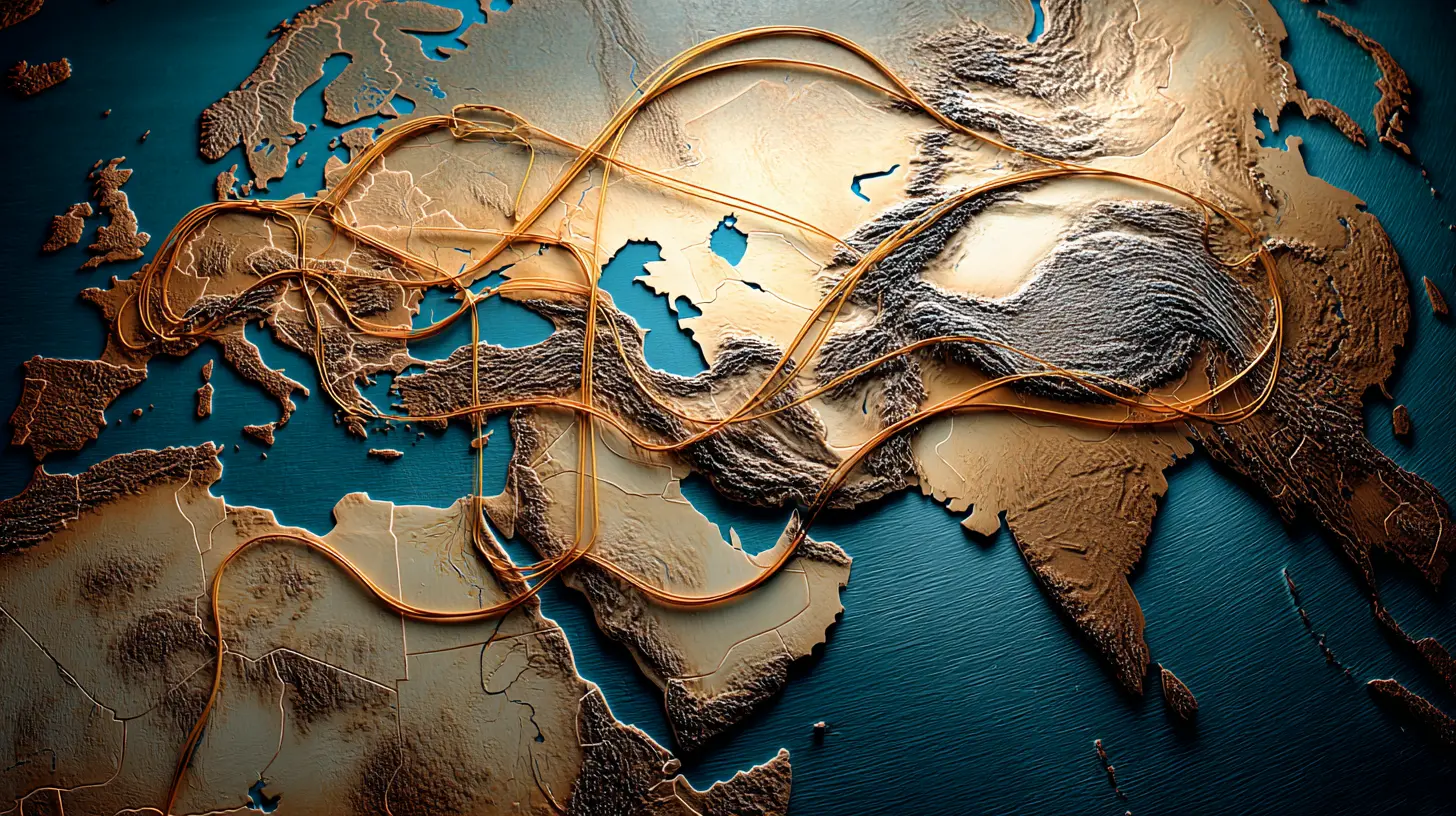
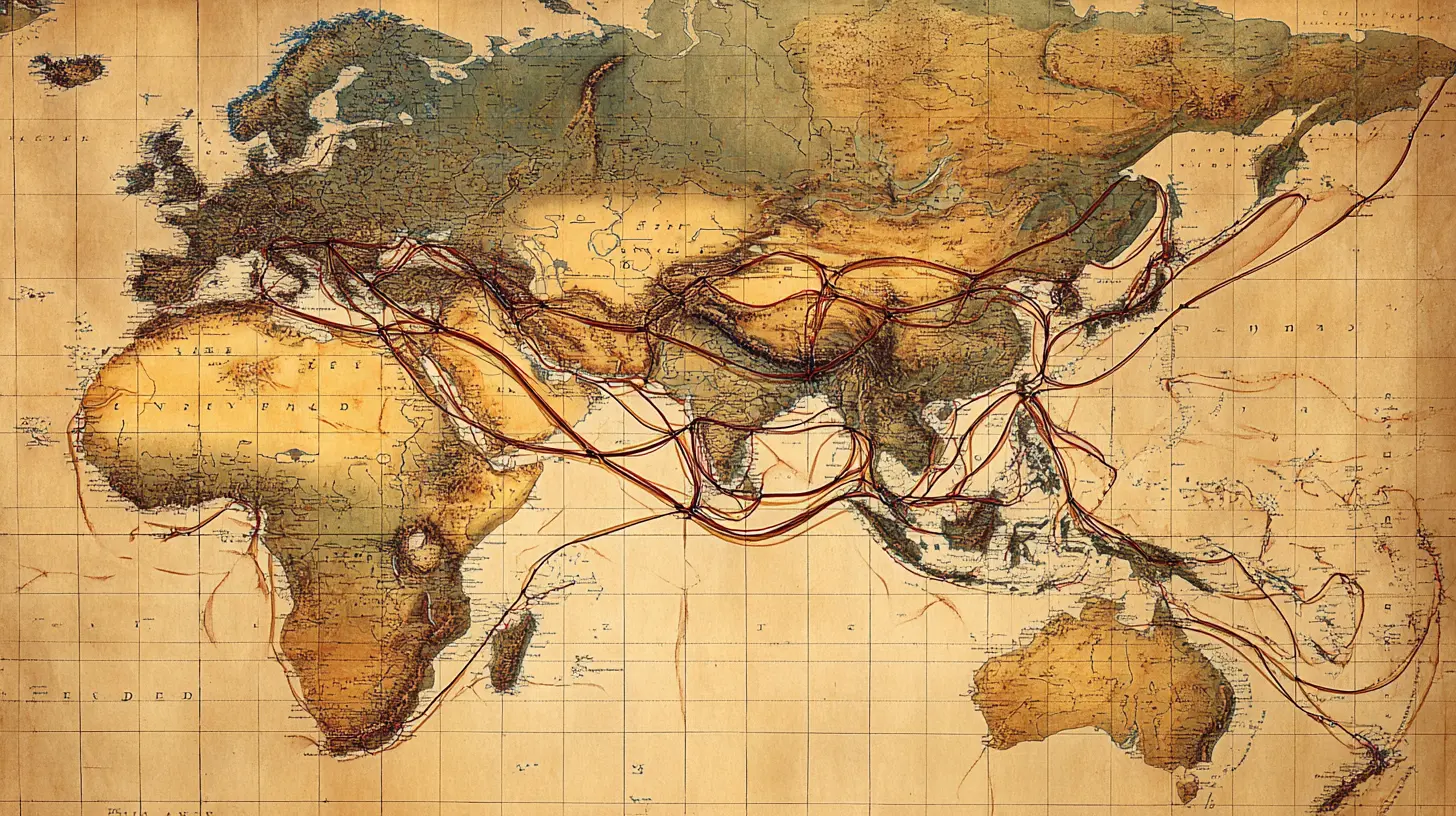
Let's start with the big one. The Silk Road. You hear that name and you probably think of Marco Polo, camels, and sand dunes. But the Silk Road was a network, not a single road. It stretched from China all the way to the Mediterranean. In 2026, parts of it are more accessible than ever. Why? Because countries like Uzbekistan, Kyrgyzstan, and China have invested in tourism infrastructure along the route. You can now take a train from Xi'an to Kashgar, then hop a bus to Samarkand. It's not exactly what merchants did in 200 BC, but the spirit is still there.Picture this: You're in Samarkand, Uzbekistan, standing in the Registan Square. The blue tiles shimmer under the sun. You smell grilled lamb and saffron rice from a nearby stall. Five hundred years ago, a trader from Persia would have passed through this exact spot, carrying carpets and glassware. You're not carrying carpets, but you are carrying a smartphone. The contrast is wild, right? That's the beauty of rediscovering these routes today. You get the history without the dysentery.
The Heart of the Silk Road: Central Asia
Central Asia is the forgotten gem of the ancient trade world. In 2026, it's becoming a hotspot for travelers who want something off the beaten path. Countries like Kazakhstan, Tajikistan, and Turkmenistan are opening up their borders and making visas easier. The key here is the Pamir Highway. It's one of the highest roads in the world, and it follows a section of the old Silk Road. You drive through valleys where yurts dot the landscape, and locals still greet you with bread and salt. That's a tradition from the old days. If a traveler showed up, you offered hospitality. It's still alive.You might ask: Is it safe? Yes, for the most part. Just use common sense. Don't wander into restricted military zones. But the people are incredibly friendly. They remember their history. In many villages, the elders can tell you stories passed down from their grandparents about caravans passing through. It's like listening to a living history podcast.
The Incense Route: Smelling the Past
Now let's shift gears and head to the Arabian Peninsula. You've probably heard of the Silk Road, but what about the Incense Route? This was the highway of luxury. Frankincense and myrrh were worth more than gold in ancient times. They came from the southern tip of Arabia, modern-day Oman and Yemen. Traders carried these resins north to the Mediterranean, where they ended up in temples, tombs, and palaces.In 2026, you can follow this route through Oman. Start in Salalah, a city known for its monsoon season and lush green mountains. That's where the frankincense trees grow. You can visit a farm, see the bark being cut, and watch the resin drip out. It's a slow process. Then drive north through the Empty Quarter desert. It's brutal. No shade. No water. But that's exactly what the traders faced. They did it with camels. You'll do it with a 4x4 and air conditioning. Still, when you stop in the middle of nowhere and look at the stars, you'll feel a connection to those ancient caravans.
The Nabateans: Masters of the Desert
You can't talk about the Incense Route without mentioning Petra. That's in Jordan. The Nabateans were the middlemen who controlled the trade. They built Petra, that famous city carved into red rock. In 2026, Petra is still packed with tourists, but here's a trick: go in the late afternoon. The crowds thin out. You walk through the Siq, the narrow canyon, and suddenly the Treasury appears. It's breathtaking. But what most people don't realize is that Petra was a trade hub. The Nabateans stored water, fed camels, and taxed every merchant passing through. They got rich off the incense trade. And you can still see the remnants of their water channels and cisterns. Genius engineering.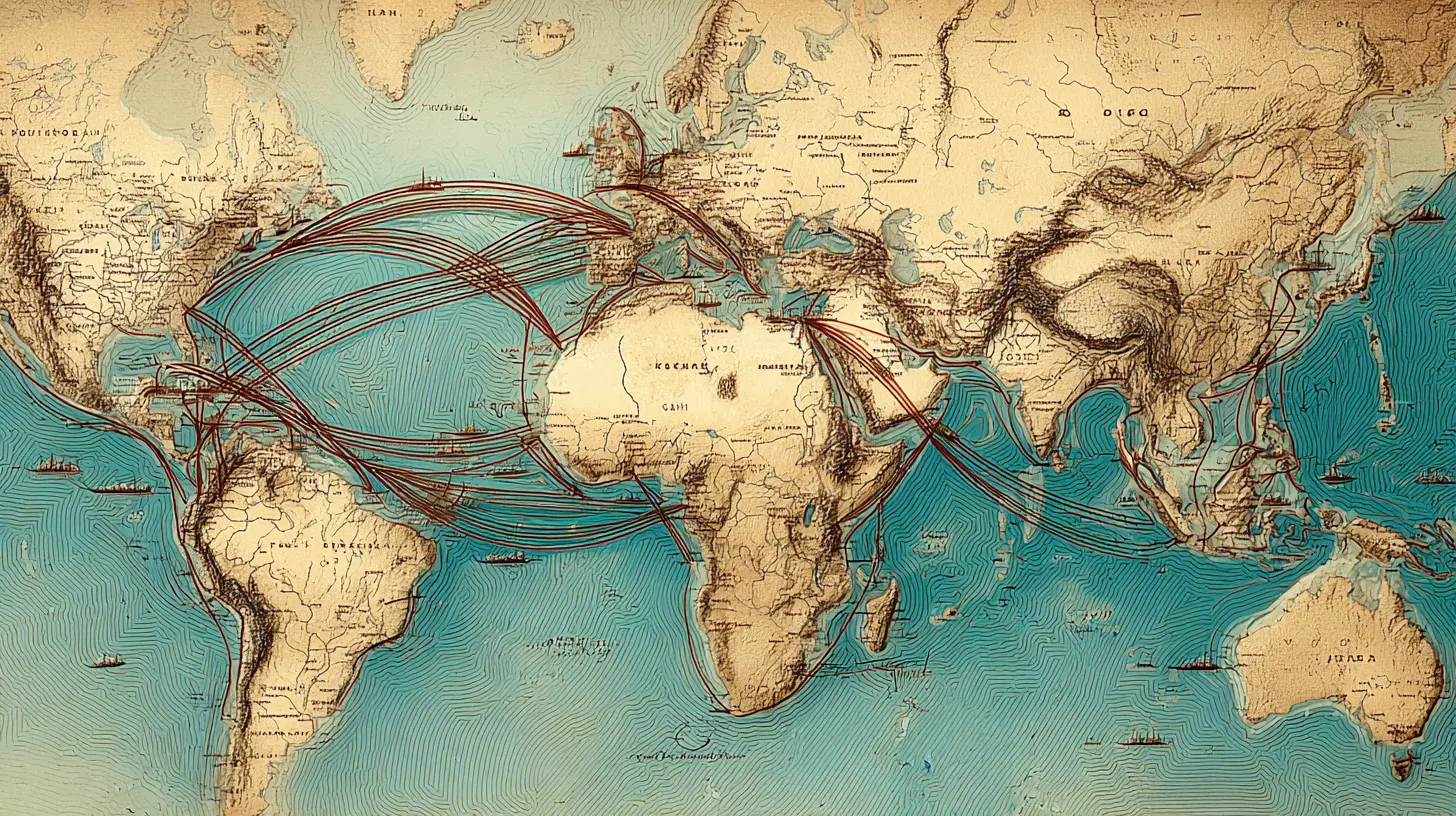
The Trans-Saharan Route: Gold, Salt, and Grit
Let's cross the Sahara. This one is for the adventurous. The Trans-Saharan trade routes connected West Africa to the Mediterranean. The main goods? Gold and salt. Yes, salt. In those days, salt was a commodity worth its weight in gold. Literally. The trade was controlled by empires like Ghana, Mali, and Songhai. Timbuktu became a legendary city because of it.In 2026, you can still travel parts of this route, but you need a guide. Don't try it alone. The desert is unforgiving. Start in Marrakech, Morocco. Then head south over the Atlas Mountains. You'll pass through ancient kasbahs and oases. The real highlight is the Festival in the Desert, held near Timbuktu in Mali. It's a gathering of Tuareg nomads, musicians, and travelers. You sleep under the stars, listen to traditional music, and eat camel meat. It's raw. It's real. And it's exactly what traders would have experienced centuries ago, minus the festival.
The Salt Mines of Taghaza
One of the most insane stops on this route is Taghaza, in modern-day Mali. It's a ghost town now. But back in the day, it was a salt mining hub. The houses were made of salt blocks. The traders would load slabs of salt onto camels and head south. In 2026, you can visit the ruins. It's a harsh, empty place. The heat is oppressive. But standing there, you realize how tough those people were. They did this without water bottles or sunblock. Respect.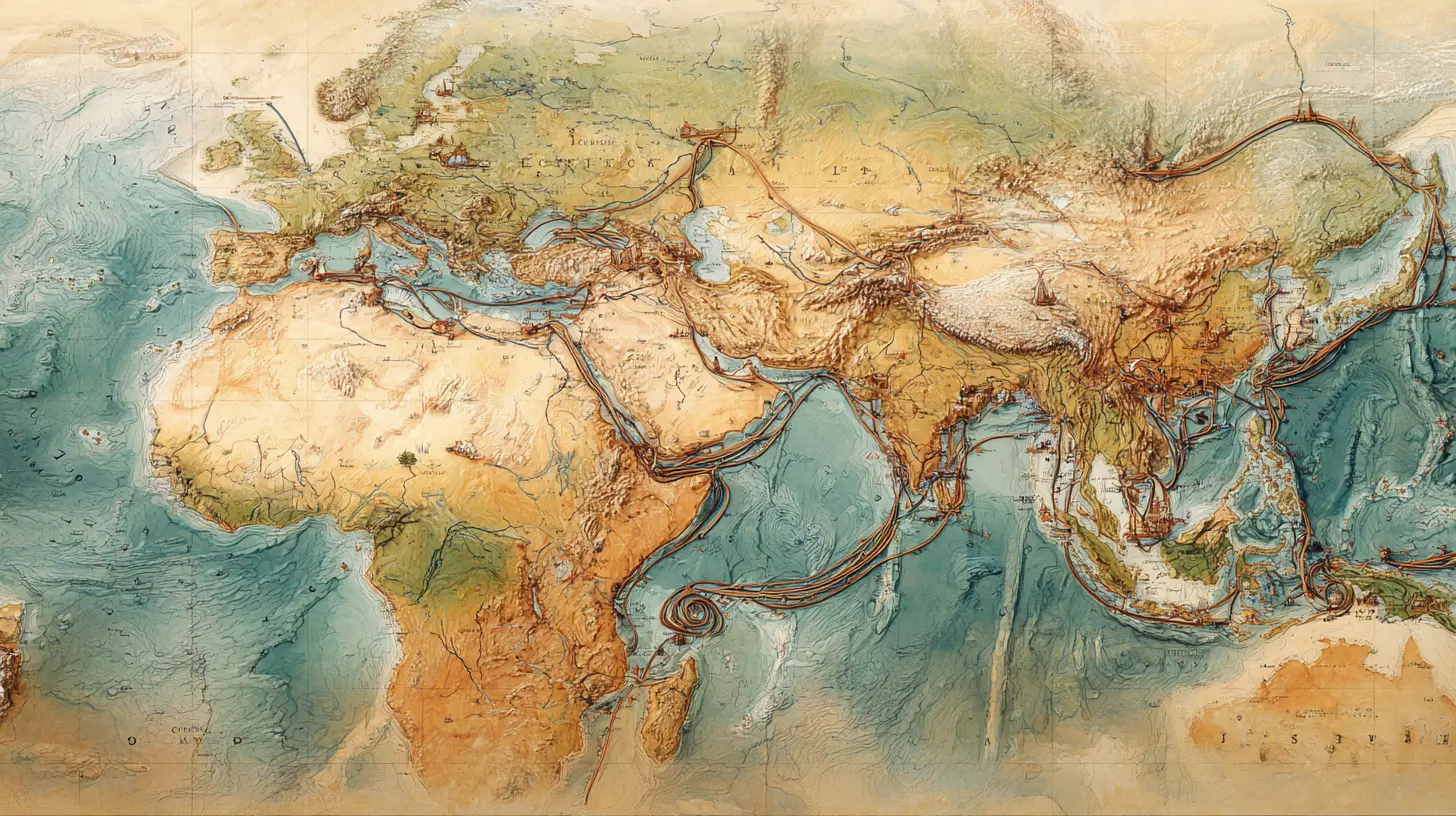
The Spice Route: A Flavorful Journey
Now let's sail. The Spice Route was the maritime version of the Silk Road. It connected Southeast Asia to India, the Middle East, and Europe. Spices like cinnamon, pepper, and nutmeg were the reason Europeans risked their lives crossing oceans. In 2026, you can trace this route by hopping islands.Start in the Maluku Islands in Indonesia. That's the original "Spice Islands." Nutmeg grows there. You can visit a plantation, see the fruit, and taste fresh nutmeg. It's nothing like the powder you buy at the store. It's floral and complex. Then sail west to Sri Lanka. That's where cinnamon comes from. The locals still peel cinnamon bark by hand. It's a skill passed down for generations.
The Ports of the Spice Route
Key ports along this route include Malacca in Malaysia and Galle in Sri Lanka. Malacca is a UNESCO site. The old town is a mix of Portuguese, Dutch, and Chinese architecture. That's because everyone wanted a piece of the spice trade. In 2026, you can walk the same streets that traders walked 500 years ago. The food is incredible too. Try a bowl of laksa. It's spicy, sour, and creamy. Perfect after a long day of exploring.The Amber Road: Europe's Hidden Trade Network
We often forget Europe had its own ancient trade routes. The Amber Road connected the Baltic Sea to the Mediterranean. Amber, which is fossilized tree resin, was the main commodity. It was used for jewelry and medicine. The road ran from modern-day Poland and Lithuania down to Italy.In 2026, you can follow the Amber Road by bike or car. Start in Gdansk, Poland. That was the main amber trading port. Visit the Amber Museum. Then cycle south through the countryside. You'll pass medieval castles and old trading towns. The highlight is the town of Aquileia in Italy. It was the southern terminus of the road. The ruins of the Roman port are still there. You can stand by the docks and imagine ships unloading amber from the north.
Why Amber Was So Valuable
Amber was more than pretty. People believed it had healing properties. They ground it up and used it as medicine. It was also a status symbol. In Rome, wearing amber jewelry meant you were rich. The road itself was a lifeline. It connected the barbarian north to the civilized south. In 2026, it's a quiet route, perfect for travelers who want to avoid crowds.
Practical Tips for Following Ancient Trade Routes in 2026
Alright, so you're sold on the idea. How do you actually do this? Here are some no-nonsense tips.Plan for Slow Travel
These routes weren't meant to be rushed. You can't cover the Silk Road in a week. Give yourself at least two to three weeks per region. The slower you go, the more you absorb. Stay in local guesthouses. Eat street food. Talk to people. That's where the real stories are.Respect Local Customs
Many of these routes pass through conservative regions. In Central Asia, dress modestly. In Oman, don't take photos of locals without asking. In Mali, be aware of security situations. Check travel advisories before you go. But don't let fear stop you. Most people are welcoming.Use Technology Wisely
You have an advantage the old traders didn't: maps on your phone. Download offline maps. Use translation apps. But don't rely on them completely. Get a physical map too. Batteries die. Signals drop. It's good to have a backup.Pack Light, But Smart
You'll be moving between climates. The desert is hot during the day and cold at night. Pack layers. Bring a reusable water bottle. And good walking shoes. You'll be doing a lot of walking on ancient cobblestones and dirt paths.Why Bother in 2026?
You might think, "Why not just read about this stuff in a book?" Fair question. But books can't give you the smell of frankincense in the Omani desert. They can't give you the taste of fresh nutmeg in Indonesia. They can't give you the feeling of standing in a salt house in Mali, knowing that traders risked everything to get that salt to market. In 2026, the world is more connected than ever, but also more homogenized. Following ancient trade routes is a way to step back into a time when travel was hard, real, and meaningful. It's a reminder that humans have always been restless. We've always wanted what's over the horizon.So pack your bags. Pick a route. Go see what the merchants saw. You'll come back with more than souvenirs. You'll come back with stories.
all images in this post were generated using AI tools
Category:
Continental TravelAuthor:

Winona Newman
Discussion
rate this article
1 comments
Faye Lambert
This article is a fantastic journey into history! Exploring ancient trade routes not only reveals rich cultural exchanges but also inspires modern travel. I can't wait to plan my own adventure following these historic paths!
May 12, 2026 at 2:56 PM