Camping at the Rooftop of the World: Adventures in the Himalayas
13 September 2025
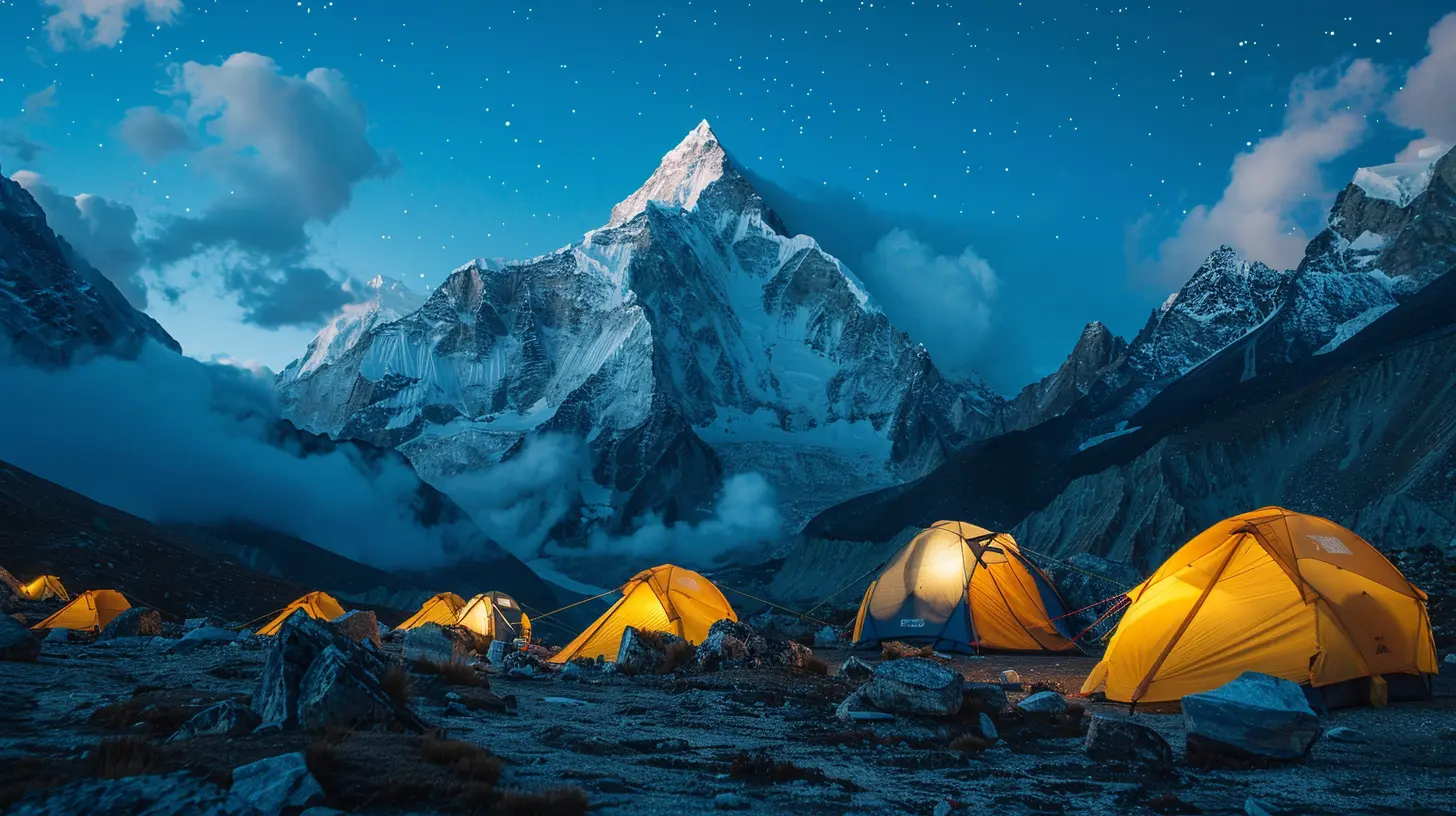
If you've ever dreamed of waking up in a tent amidst snow-capped peaks, breathing in fresh mountain air that feels like a cool hug from Mother Nature herself, then camping in the Himalayas is calling your name. And no, this isn’t your average backyard camping trip—we’re talking about setting up base at the literal rooftop of the world.
Let’s be real, folks. The Himalayas aren’t just mountains—they’re a whole different league. Towering giants wrapped in clouds, epic valleys carved by ancient glaciers, and trails that whisper stories of monks, mountaineers, and adventurers from every corner of the globe. If your soul craves a bit of edge, awe, and yes, altitude, buckle up—because this is gonna be one unforgettable ride.
Why Choose the Himalayas for Camping?
Why not, right? But seriously, let’s break it down.Camping in the Himalayas isn’t just about pitching a tent and roasting marshmallows. It's about disconnecting from the chaos and reconnecting with what really matters—peace, perspective, and perhaps, your inner mountain goat.
Here’s what makes Himalayan camping the stuff of legends:
- Breathtaking Scenery: Think 360° views of jagged peaks, turquoise lakes, glacial rivers, and forests thick with pine and mystery.
- Cultural Richness: From serene Buddhist monasteries to warm chats with local villagers over butter tea, it’s a culture trip and soul dip all rolled into one.
- Adrenaline on Tap: Trekking, rock climbing, high-altitude hikes, and even spotting rare wildlife—there’s never a dull moment.
- Silence that Speaks: Ever heard the sound of silence? The Himalayas specialize in it.
When’s the Best Time to Go?
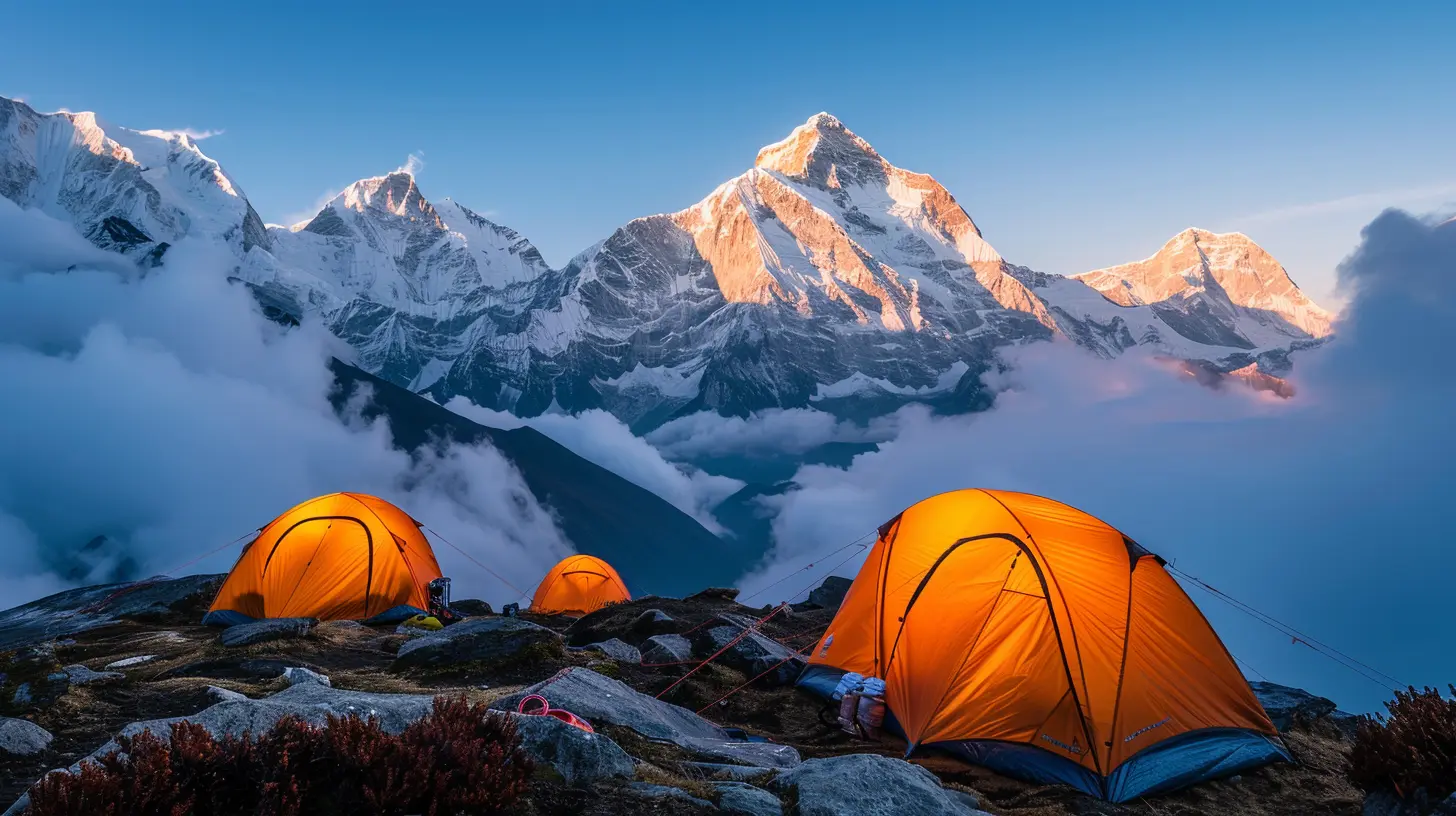
You don’t want to be snowed in or rained out, right? Timing is everything.- Spring (April to June): This is prime time! The weather’s just right and the rhododendrons are in full bloom. It’s basically Himalayan Instagram season.
- Autumn (September to November): Crystal-clear skies, perfect for stargazing and snapping those postcard-worthy shots.
- Winter (December to February): Only for the hardcore campers. Snow everywhere. Cold as a freezer. But totally worth it if you're geared up.
Pro tip: Avoid the monsoon season (July & August). Unless you're into leeches, slippery trails, and unpredictability.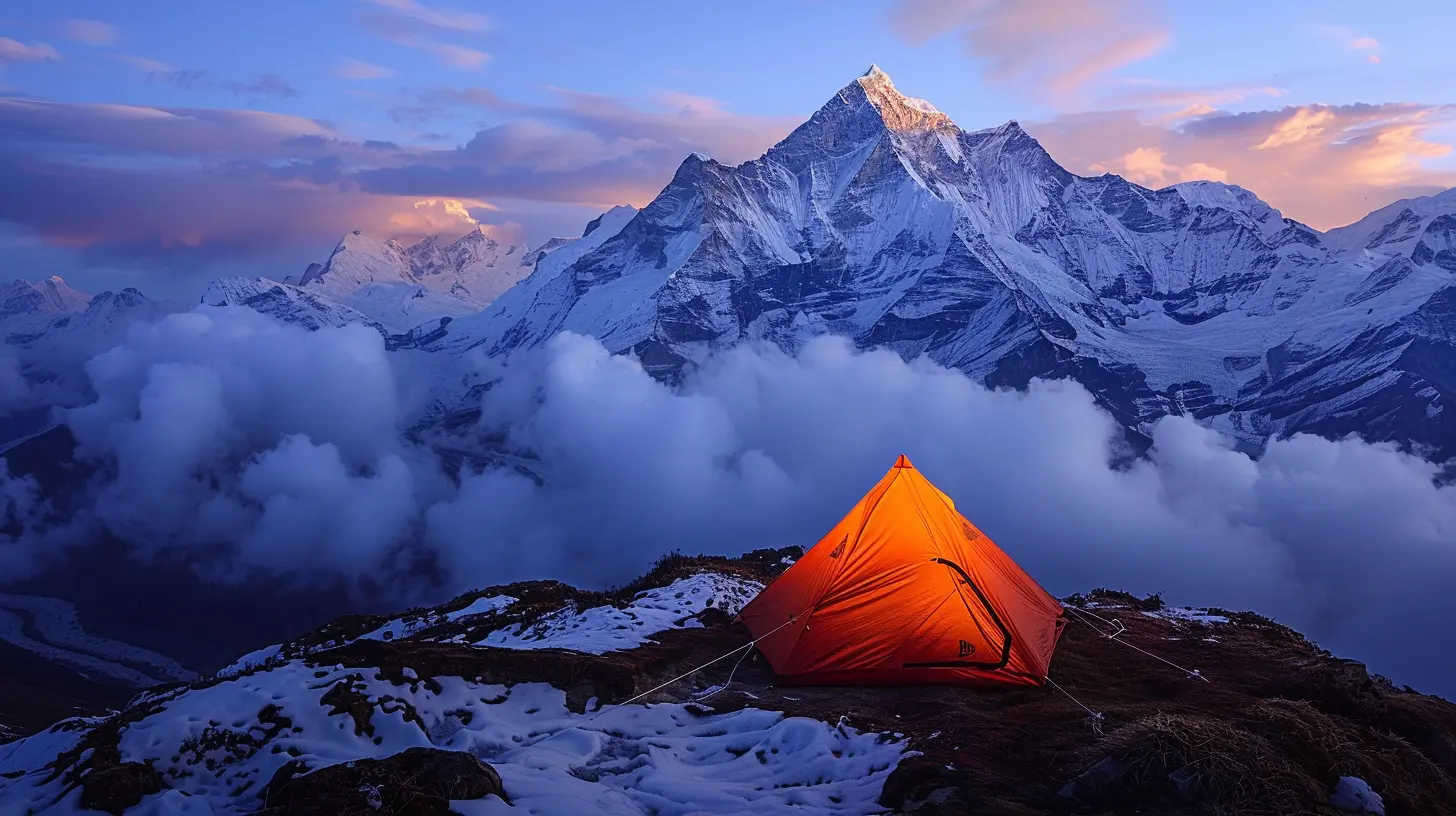
Top Camping Spots in the Himalayas
Let’s talk hotspots—well, ice-cold but 'hot' in the camping world.1. Pangong Lake, Ladakh
You’ve probably seen this beauty in a Bollywood flick—and let me tell you, it’s even dreamier in real life.- Altitude: 14,270 ft.
- What's the vibe? Electric blue lake surrounded by rusty brown hills. The water changes color like a mood ring.
- Fun Tip: Nights here are cold but magical. The Milky Way feels close enough to touch (don’t try it though).
2. Triund, Himachal Pradesh
Beginner-friendly but with views that scream ‘pro’.- Altitude: 9,760 ft.
- What makes it cool? Short trek, stunning views of the Dhauladhar range, and sunsets that will make your jaw drop.
- Bonus: Campfire chats with fellow trekkers from around the globe.
3. Chopta Tunganath, Uttarakhand
A spiritual high (literally and metaphorically).- Altitude: 13,000 ft.
- What’s special? It's the trek to the world’s highest Shiva temple.
- Why camp here? Because who doesn’t want a sunrise with a side of spiritual enlightenment?
4. Goecha La, Sikkim
For those who like their treks with a bit of challenge.- Altitude: 16,207 ft.
- Dramatic much? Yes, and proud of it. Towering views of Kanchenjunga, dense forests, and prayer flags fluttering in the wind—it’s a feast for the senses.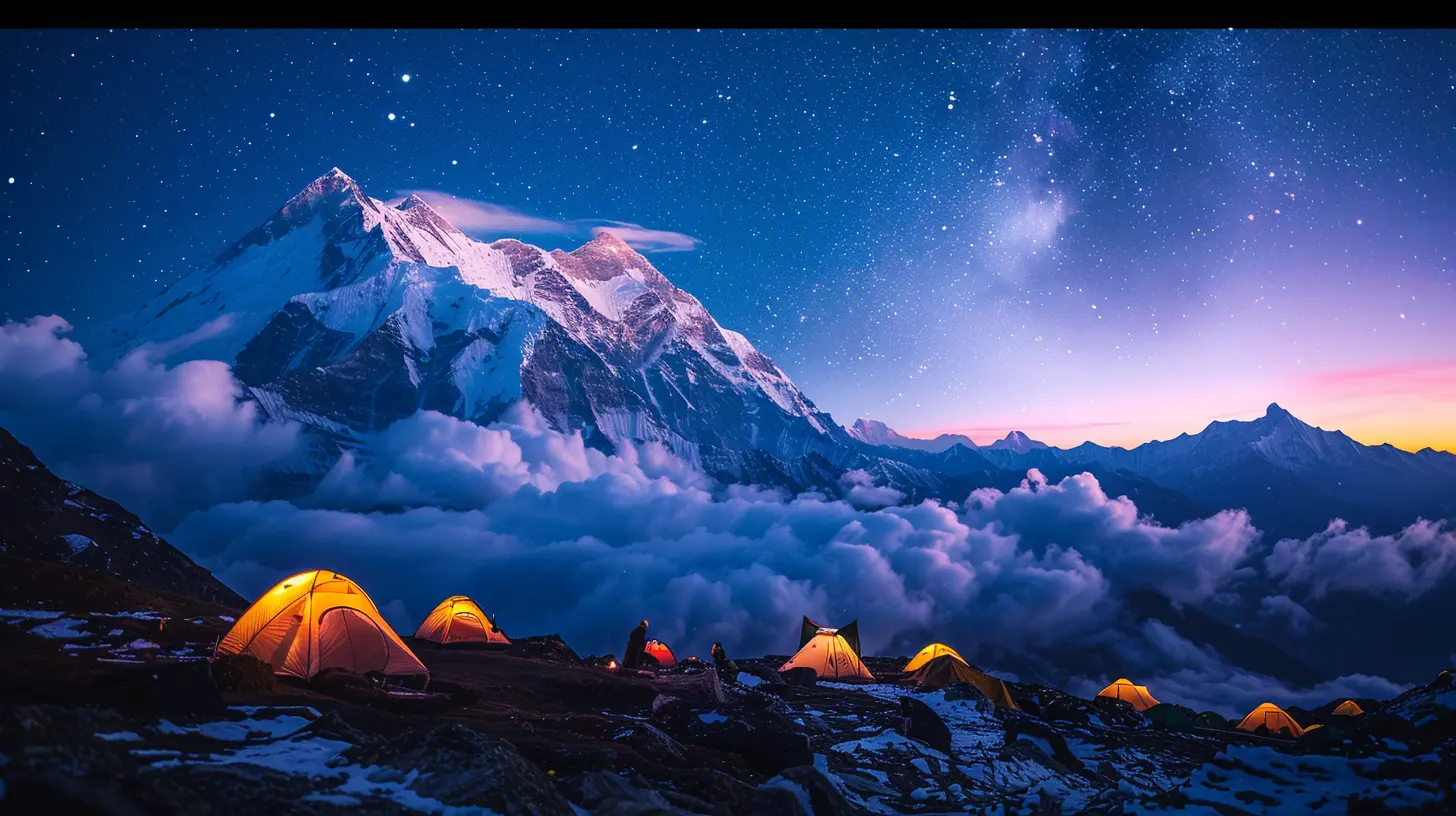
What to Pack: Your Himalayan Camping Survival Kit
Packing for the Himalayas ain’t like stuffing your bag for a beach holiday. If you're not prepared, buddy, the mountains will humble you real quick.Here's your no-fluff gear checklist:
- A sturdy backpack (because weak backpacks are pure heartbreak)
- High-altitude approved tent (waterproof and wind-resistant)
- Sleeping bag (check the temperature rating!)
- Multiple layers (thermals, fleece, down jackets—a full onion strategy)
- Good trekking shoes (your feet will thank you)
- First aid kit (with altitude sickness pills, just in case)
- Solar-powered charger (because plugins are a myth up there)
- Snacks that don’t quit (Trail mix, energy bars, chocolate. Always chocolate.)
- Reusable water bottle & purification tablets (hydration is survival)
And hey, don’t forget a flashlight and toilet paper. Seriously. TP is gold at 15,000 feet.
Getting There and Getting Around
The Himalayas stretch across five countries—India, Nepal, Bhutan, Tibet (China), and Pakistan. But India and Nepal are the most popular for camping travels.India Side - Key Gateways:
- Leh (for Ladakh): Fly in from Delhi. Acclimatize before you hike.- Dehradun or Rishikesh (for Uttarakhand): Buses, trains, and jeeps get you to base villages.
- Manali or Dharamshala (for Himachal): Hippie haven meets adventurer’s basecamp.
Nepal Side:
- Kathmandu is your go-to. From here, treks like the Annapurna Circuit and Everest Base Camp open up like adventure novels.Once you’re at the base, it’s mostly treks, jeeps, and the occasional mule ride. Trust me, the journey’s half the fun.
The People You’ll Meet
Camping in the Himalayas isn’t just about nature—it’s also about the characters. Oh, the stories you’ll hear!- Local Sherpas and Guides: Human GPS systems with hearts as big as the mountains.
- Fellow Trekkers: From solo travelers soul-searching to couples looking to test their relationship at 15,000 feet.
- Villagers & Monks: Warm smiles, warm tea, and pearls of wisdom that’ll stick with you long after you leave.
Every soul here walks slower, laughs louder, and lives fuller. And being around that kinda energy? It changes you.
Tips for First-Timers
Alright, rookies. Here’s some straight talk:1. Acclimatize Properly: Altitude sickness is no joke. Spend a day or two adjusting. Drink tons of water.
2. Don’t Pack Heavy, Pack Smart: It’s not a fashion show. Function over form. Comfort is king.
3. Respect the Mountains: Don’t litter. Don’t be loud. And for the love of nature, don’t mess with local customs.
4. Go With A Guide: Especially on tougher routes. Not just for safety, but they turn every boulder into a story.
5. Unplug: There’s little to no Wi-Fi anyway. Take the chance to actually be where you are.
A Day in the Life: What Camping Up Here Feels Like
Wake up to the sounds of Himalayan wind rustling your tent. Peek outside to pink skies slowly brushing across snow-covered peaks. Brew a steaming cup of chai while your breath comes out in puffs.Lace up your boots and set off for a morning hike—maybe to a hidden waterfall or a ridge with panoramic views. Return famished, ready to devour simple mountain grub that tastes like a feast (because hunger is the best seasoning, right?).
As night falls, gather around the campfire. Swapping stories, sipping on soup, stargazing until your neck hurts from looking up. No traffic. No notifications. Just soul-filling silence and a sky dressed in diamonds.
Final Thoughts: Is It Worth It?
Oh, it's more than worth it. It’s life-altering.Camping in the Himalayas feels like stepping into a dream you didn’t know you had. It’s one part thrilling adventure, one part spiritual journey, and one giant dose of perspective.
And honestly? Once you’ve camped on the rooftop of the world, regular vacations feel a little... flat.
So what’re you waiting for? Dust off that sleeping bag, grab your sense of wonder—and go meet the mountains.
all images in this post were generated using AI tools
Category:
Adventure TravelAuthor:

Winona Newman
Discussion
rate this article
2 comments
Alexa Hughes
What an inspiring adventure! Camping in the Himalayas sounds like a dream come true. The breathtaking views and unique experiences must make for unforgettable memories. Can't wait to explore this majestic destination myself!
February 28, 2026 at 5:04 PM
Winona Newman
Thank you! It's truly a magical experience—hope you get to explore the Himalayas soon!
Emery McGarvey
Embrace the thrill of the Himalayas—adventure awaits at every breathtaking turn!
September 18, 2025 at 4:37 AM
Winona Newman
Thank you! The Himalayas truly offer an unforgettable adventure at every twist and turn. Happy exploring!