Building Communities: How Volunteer Travel Fosters Cultural Exchange
20 January 2026
Volunteer travel is more than just an opportunity to give back—it's a chance to bridge cultures, connect with people from different walks of life, and truly immerse yourself in a community. In a world that often feels divided, volunteer travel creates meaningful connections that bring people together, fostering cultural exchange in ways that simple tourism never could.
But how exactly does volunteer travel build communities? And what does cultural exchange really mean in this context? Let’s dive in. 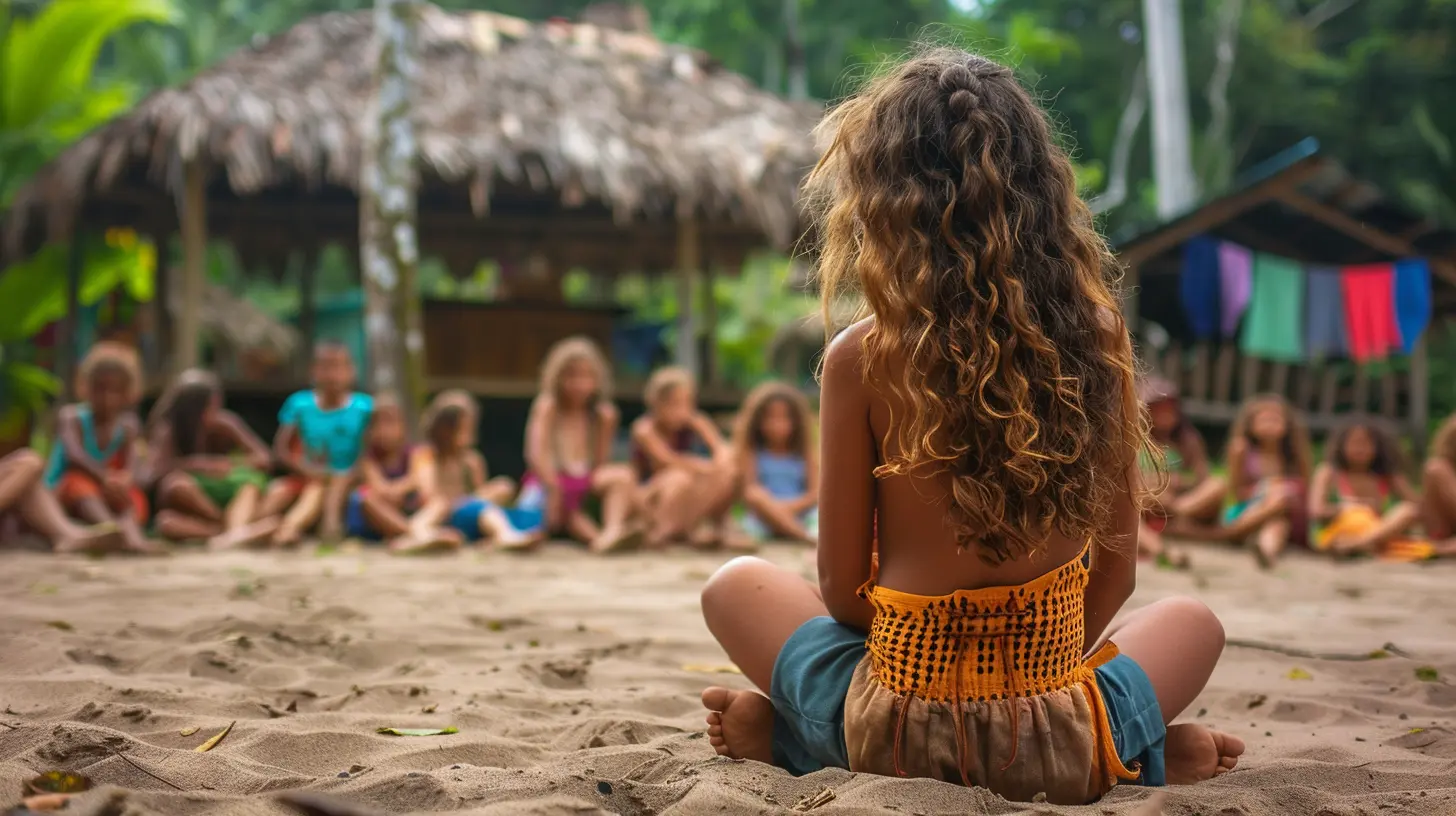
What is Volunteer Travel?
Volunteer travel, often known as "voluntourism," is when travelers engage in community service while visiting a foreign country. Unlike traditional tourism, where the main goal is sightseeing, volunteer travel focuses on making a positive impact.This could mean teaching English in rural schools, building homes, conserving wildlife, or assisting in healthcare projects. But beyond the physical contributions, volunteer travel offers something invaluable: human connection and cultural exchange. 
The Role of Cultural Exchange in Volunteer Travel
Cultural exchange is the magic ingredient that makes volunteer tourism so impactful. When you work alongside locals, live in their communities, and share experiences, you're not just helping—you’re learning.Imagine teaching kids in a small village, only to realize they’ve taught you more about patience, resilience, and happiness than you could ever teach them. That’s cultural exchange in action.
How Does Cultural Exchange Happen?
Cultural exchange happens naturally when people from different backgrounds come together with an open mind. Here’s how:- Shared Daily Life – Eating local food, participating in festivals, and adapting to community customs.
- Language Learning – Picking up new words, slang, or even an entirely new language.
- Personal Connections – Forming friendships that last beyond the trip.
- Exchanging Skills – Teaching and learning from one another, whether it’s a craft, trade, or knowledge about local history. 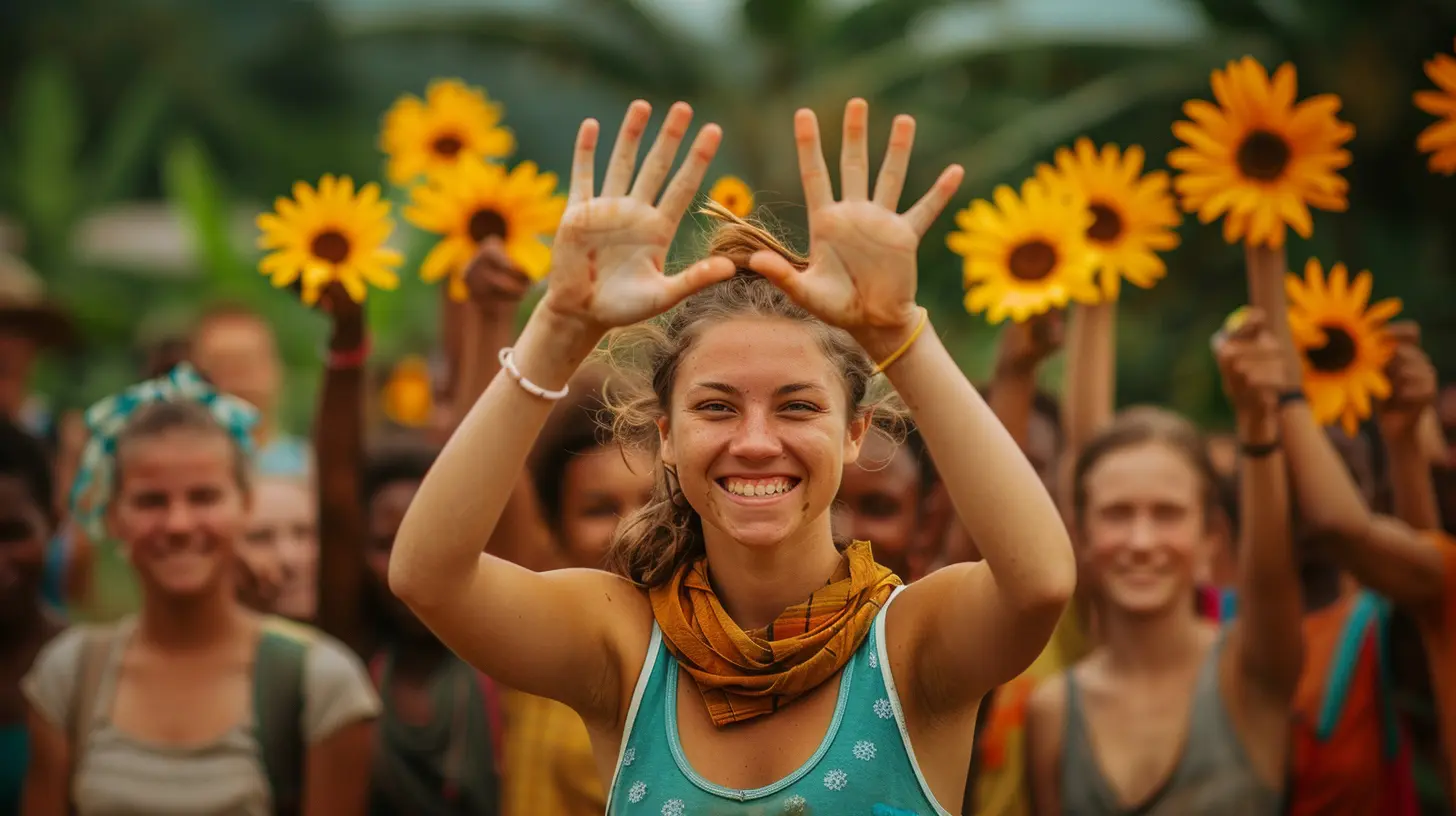
Benefits of Volunteer Travel for Cultural Exchange
1. Breaking Stereotypes and Misconceptions
Before traveling, we often have certain assumptions about other cultures. But once you live and work with people from different backgrounds, these assumptions quickly vanish.For example, many people assume that developing countries are simply places of poverty and struggle. But after spending time in such communities, travelers often realize they are rich in hospitality, traditions, and wisdom that challenge these stereotypes.
2. Creating Lasting Friendships
One of the most rewarding aspects of volunteer travel is the friendships formed along the way. Working side by side with locals and fellow volunteers fosters deep connections. These friendships often continue long after the trip ends, leading to a global network of like-minded individuals.3. Developing Cross-Cultural Communication Skills
When you immerse yourself in another culture, you learn to navigate language barriers, body language differences, and new social norms. These skills are invaluable in today’s interconnected world, making you a more adaptable and empathetic global citizen.4. Enhancing Personal Growth
Volunteering in a foreign culture pushes you out of your comfort zone. It challenges your perspectives, encourages self-reliance, and builds confidence. In many ways, cultural exchange through volunteer travel is as much about personal transformation as it is about helping others.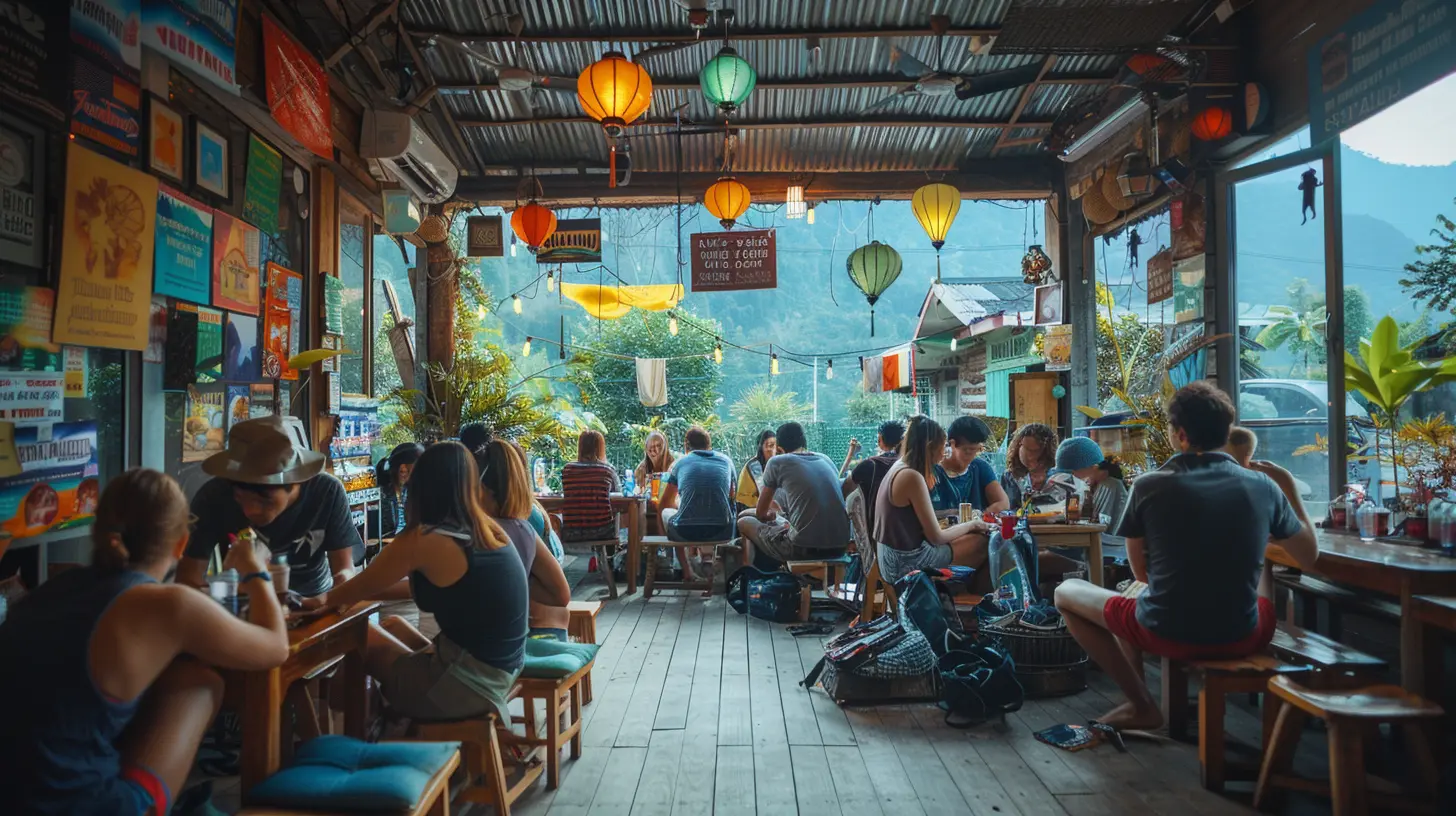
How Volunteer Travel Strengthens Communities
1. Empowering Local Communities
When done right, volunteer travel provides valuable resources to communities in need. Whether it’s education programs, infrastructure projects, or healthcare initiatives, volunteers contribute to sustainable development.However, it’s essential that the projects are community-driven. The best volunteer programs involve locals in decision-making, ensuring efforts align with their actual needs rather than imposing external solutions.
2. Promoting Economic Growth
Volunteer travel can also bring financial benefits to local communities. When travelers stay with host families, eat at local restaurants, or purchase handmade goods, they directly support the local economy.Programs that employ local guides, teachers, and coordinators ensure that volunteer tourism is a two-way street—helping both volunteers and communities thrive.
3. Encouraging Global Citizenship
Volunteer travel fosters a mindset of global responsibility. When travelers return home, they carry stories, experiences, and insights that spark conversations and awareness. They become ambassadors for cultural understanding, inspiring others to travel with purpose.Responsible Volunteer Travel: Things to Keep in Mind
While volunteer travel has great potential, it’s important to approach it responsibly. Here are some key considerations:1. Choose Ethical Volunteer Programs
Not all volunteer programs are created equal. Some are profit-driven and do more harm than good. Before committing, research organizations thoroughly to ensure they prioritize community needs over financial gain.2. Avoid "White Savior" Complex
Volunteer travel should be about working with communities, not imposing solutions. Avoid programs that treat local people as passive recipients of aid. Instead, support initiatives that empower locals to lead their own progress.3. Respect Local Cultures and Traditions
Culture shock is inevitable, but approaching new traditions with an open mind and respect is crucial. What may seem unusual or different to you is simply a way of life for others. Take the opportunity to learn rather than judge.4. Ensure Sustainability of Projects
Short-term volunteer projects that don’t build long-term solutions can sometimes be ineffective. Opt for programs that have sustainable goals, ensuring communities continue to benefit long after volunteers leave.Final Thoughts
Volunteer travel is one of the most powerful ways to foster cultural exchange and build meaningful connections worldwide. It goes beyond sightseeing and selfies—it’s about shared experiences, mutual learning, and creating a positive impact.When done right, it not only transforms the communities being served but also profoundly changes the volunteers themselves. So if you're looking for a way to travel with purpose, consider volunteer travel. You’ll not only help others but also gain a new perspective on life—one that no guidebook or tour can ever provide.
all images in this post were generated using AI tools
Category:
Volunteer TravelAuthor:

Winona Newman
Discussion
rate this article
2 comments
Blair McCarthy
Volunteer travel isn’t just a feel-good escape; it’s a powerful catalyst for genuine cultural exchange. When we immerse ourselves, we build lasting connections that shatter stereotypes and foster true understanding.
February 7, 2026 at 3:23 AM
Winona Newman
Thank you for highlighting the transformative power of volunteer travel! Your insights on building connections and breaking down stereotypes perfectly capture its essence in fostering genuine cultural exchange.
Finn McPherson
This article highlights the profound impact of volunteer travel on cultural exchange, emphasizing how it nurtures understanding and empathy between diverse communities. By engaging with local cultures, volunteers not only contribute to sustainable development but also enrich their own perspectives, fostering meaningful connections that transcend geographical boundaries. A win-win for all!
January 20, 2026 at 6:04 AM
Winona Newman
Thank you for your insightful comment! I'm glad you appreciated the article's focus on how volunteer travel enhances cultural exchange and mutual understanding. It's truly a rewarding experience for both volunteers and host communities.